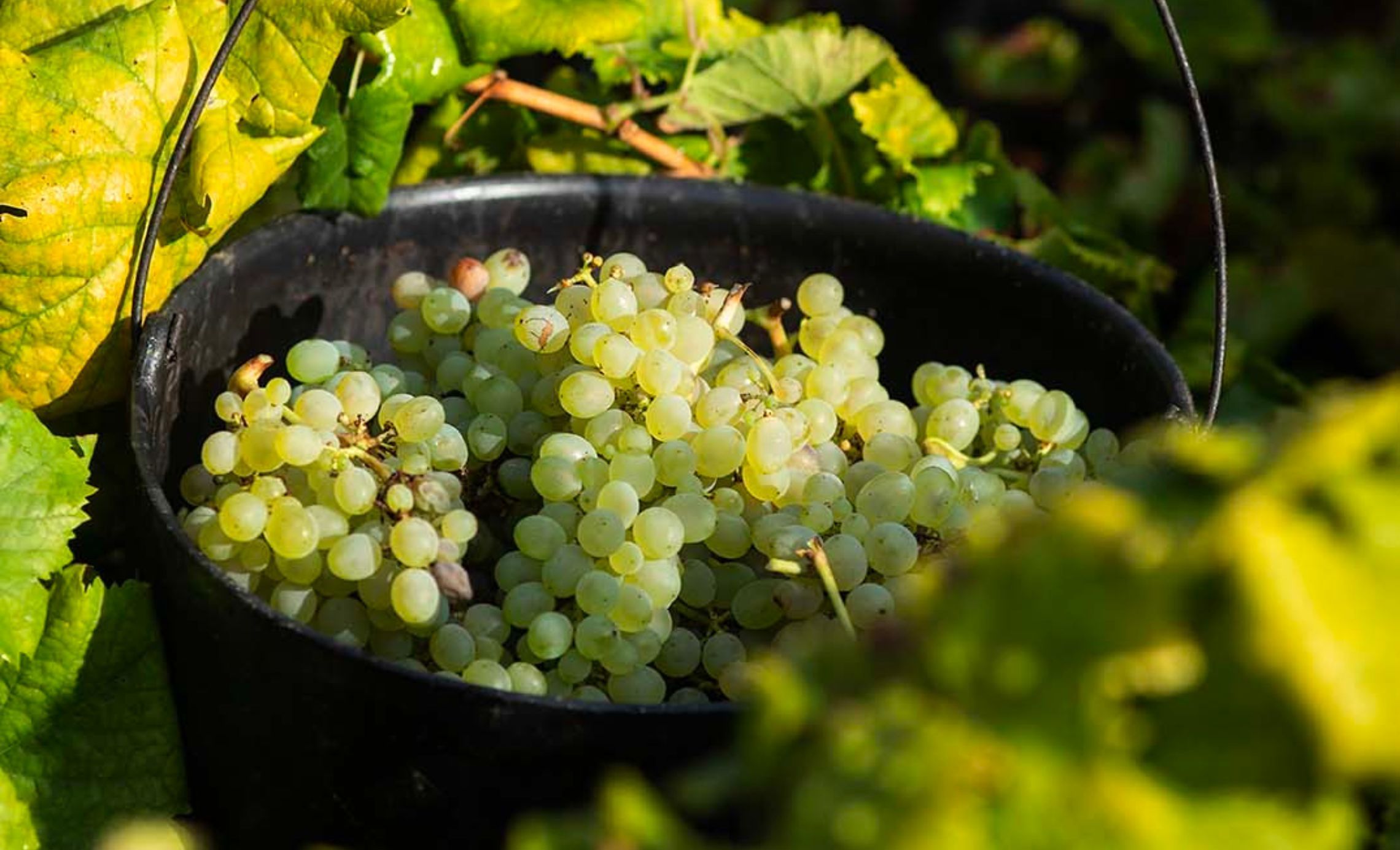
Arinto dos Açores is the most important grape variety in the Azores archipelago. It is an autochthonous grape variety and unique in the world. It is only grown in the Azores and is intrinsically linked to the region's wine-growing history and culture.
Of the three traditional grape varieties grown in Pico (in addition to Verdelho and Terrantez do Pico), Arinto dos Açores is the most resistant to bad weather, with a greater production capacity and an oenological quality similar to or even superior to that of Verdelho.
Its origin has yet to be discovered, but recent studies suggest that it is a descendant of the Verdelho variety and a sister of Terrantez do Pico.
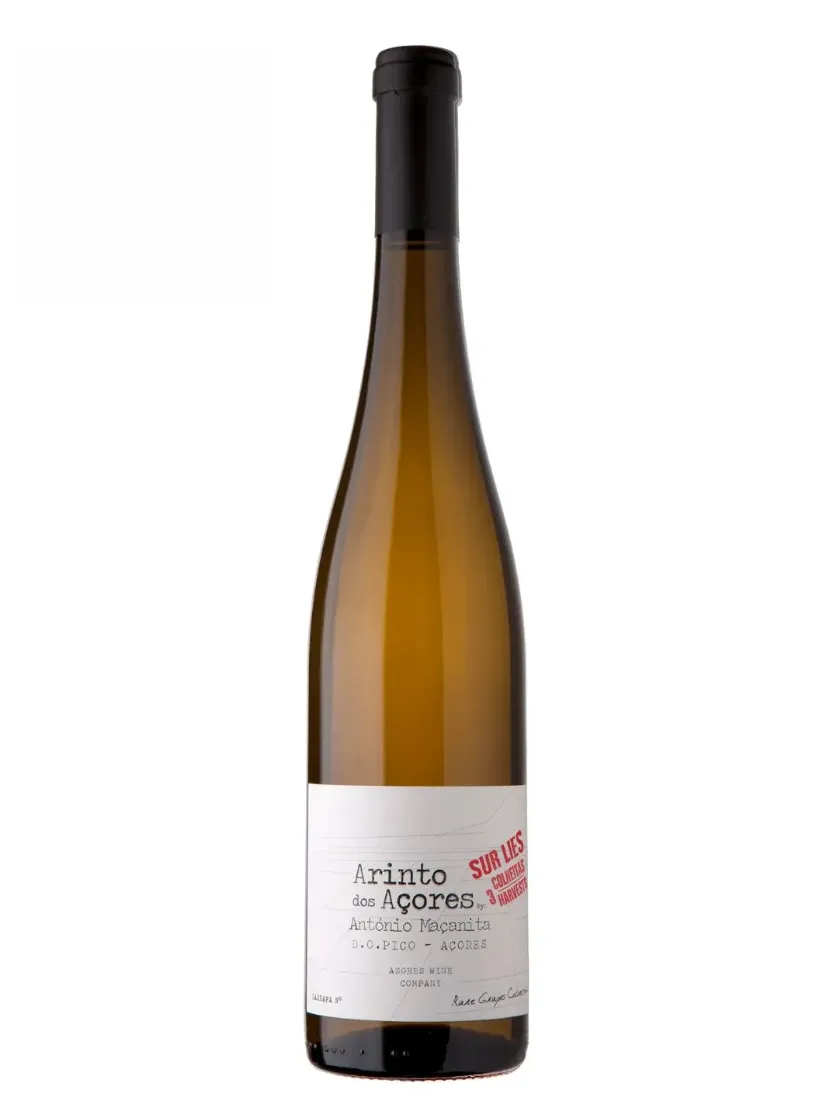 />
Sur Lies is only produced from the second, heavier presses, in which the grapes are squeezed more tightly, with more contribution from the skins and consequently more salts and salinity from the soil. Although considered by most producers to be worse than the first presses because they have a lower acidity level and higher pH, here in the Azores we have plenty of acidity to go with the more intense level of the second presses, accentuated by fermentation on the lees.
This Arinto dos Açores combines Sur Lies from the 2018, 2019 and 2020 vintages.
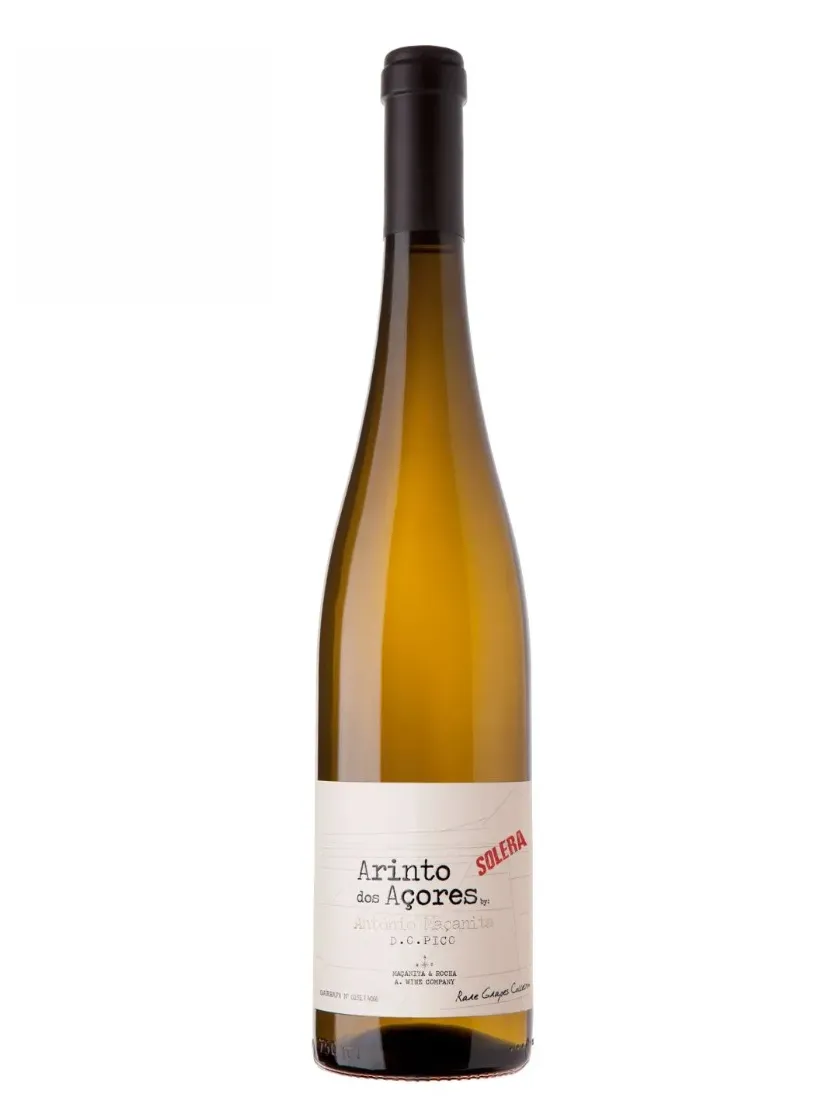 />
The wine is made using the Solera method, in which the next harvest attests to the previous one without any lees removal.
In 4-year Solera mode, the result is a three-dimensional Arinto from the Azores with the expression of the grape variety, the accumulation of fine lees and the combination of four harvests. A more iodized and complex profile, but still fresh and mineral.
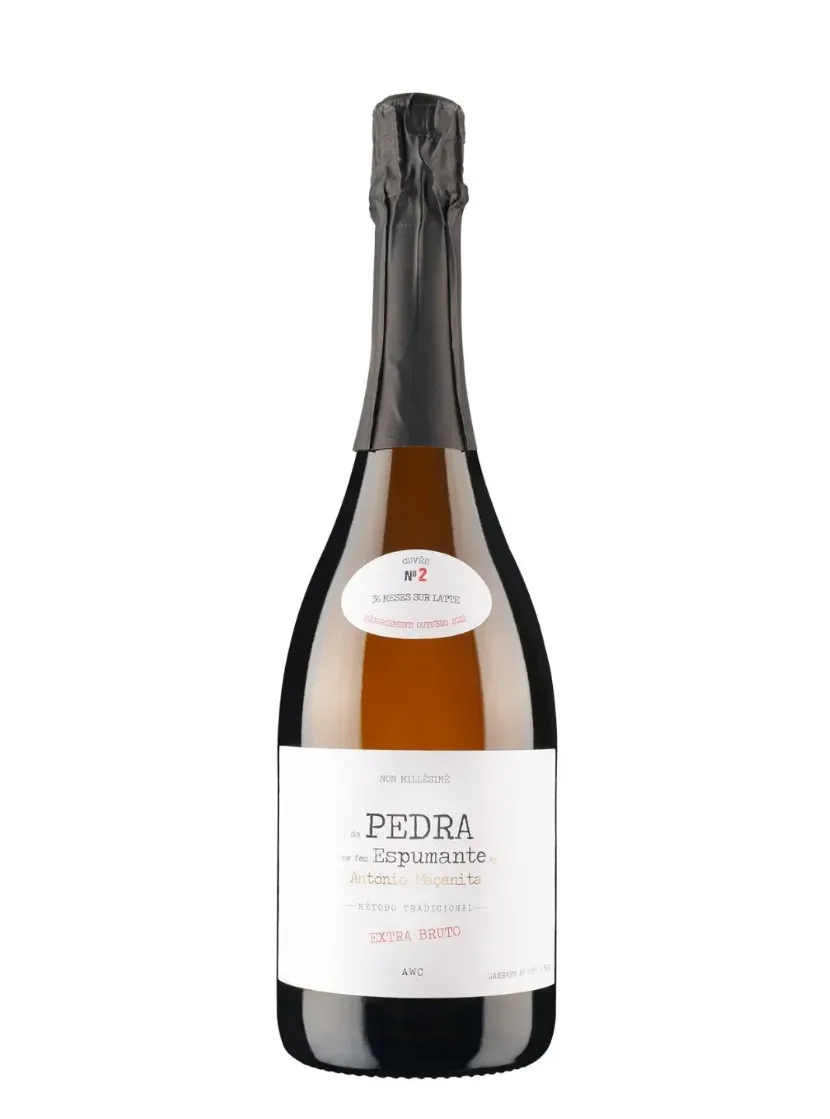 />
Produced using the traditional method without any dosage from Arinto dos Açores.
The first fermentation takes place spontaneously in a vat and the second fermentation takes place in the bottle, conserving the gas resulting from the process. Aged for 36 months sur latte, which consists of storing the bottles stacked on their sides, and then dégorgement (removing the lees from the bottles and resealing the wine).
Related articles