In the Azores Archipelago, the term "sense of place" couldn't be more striking: Azorean wines are a mirror of the soil, climate, winemaking tradition and culture from which they are born. It's a testament to the passion and dedication of the winemakers who, with resilience, transformed a seemingly insurmountable challenge into a legacy of wines that reflect the essence of the terroir, where the Azores' native grape varieties predominate, such as Arinto dos Açores, Verdelho and Terrantez do Pico.
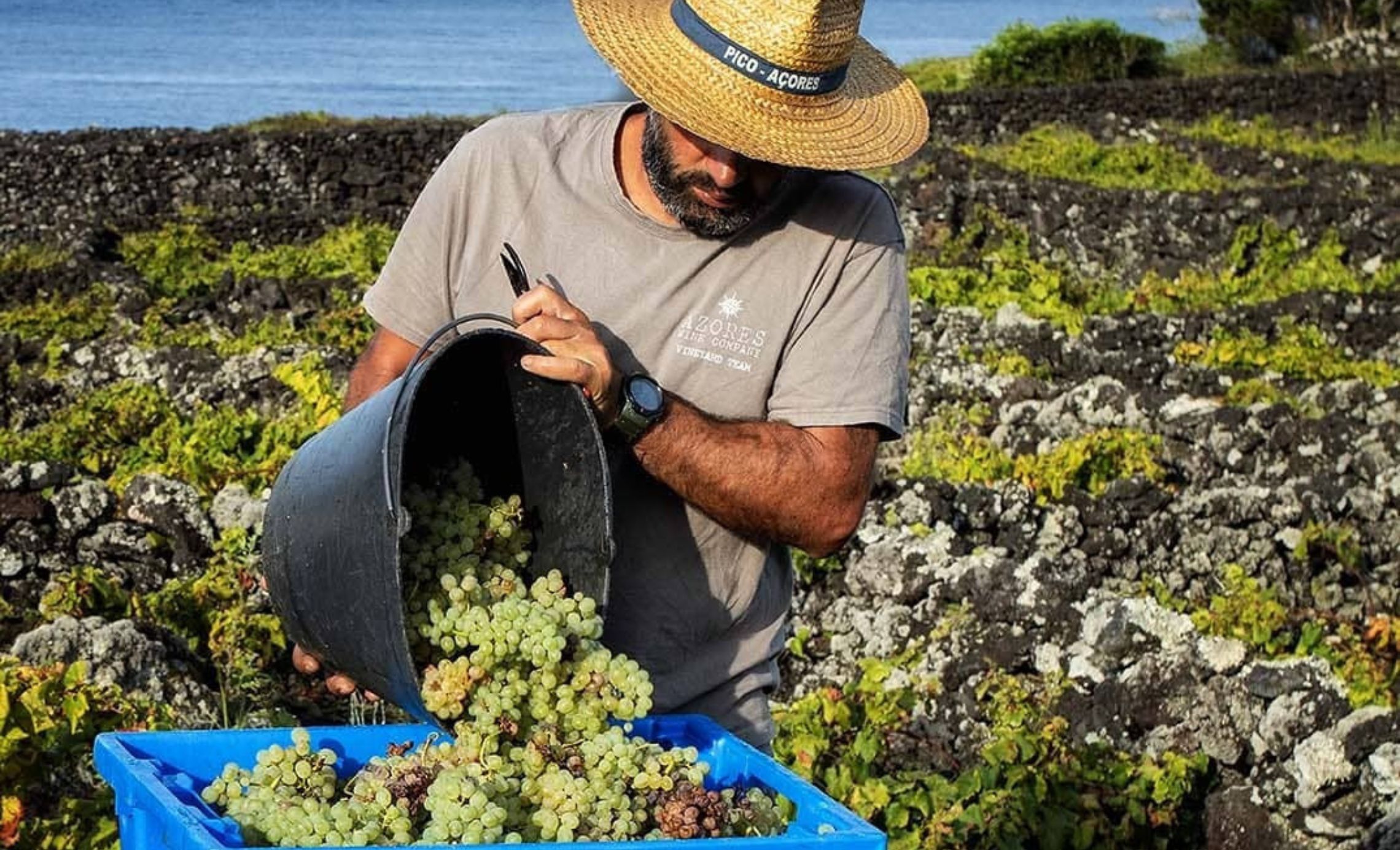
Pico Island is home to some truly heroic viticulture. The vines are planted in the crevices of the bedrock, in volcanic soil and just a few meters from the ocean, thus defying the very definitions of soil and resistance.
The vineyards are situated at an unusually short distance from the sea, usually between 50m and 300m from the coast. This proximity to the ocean brings a unique challenge for winegrowers, as the sea sprays the vineyards with salt, eventually damaging and burning the vines and grapes. In addition, the salty sea water seeps into the layers of the volcanic soil, mixing with the fresh water from the rain. The result is a brackish combination that the roots of the vines drink from, giving the grapes their unique properties.
The traditional stone corrals were built with the abundant volcanic stone, basalt, to protect the vines from the winds and sea salt, while at the same time creating a microclimate for the hotter vines. The impressive tracery was created around 500 years ago and has been classified as a UNESCO World Heritage Site since 2004.
The greatest influence of the climate is the impressive 2351m altitude of the mountain that gave the island its name and forced Picaroto to plant the vines so close to the sea that the ancients say that the vines are "where you can hear the crab singing", to ensure the greatest number of hours of sunshine and ripening.
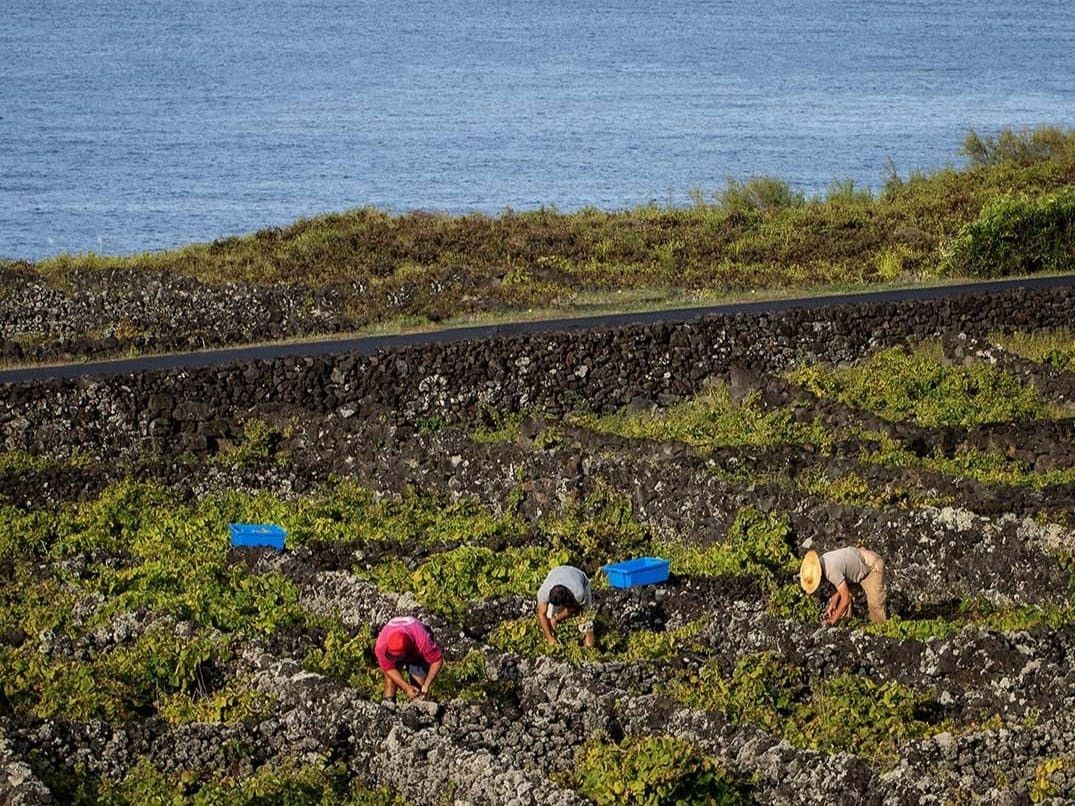
When the time comes to harvest, a striking feature is the extensive manual labor involved. Due to the uneven terrain and the stone corrals that protect the vines, the use of agricultural machinery is unfeasible. The winemakers, accompanied by their teams, harvest the grapes by hand, carefully selecting the ripe bunches. Transporting the harvested grapes is often an arduous and physically demanding task due, once again, to the island's soil.
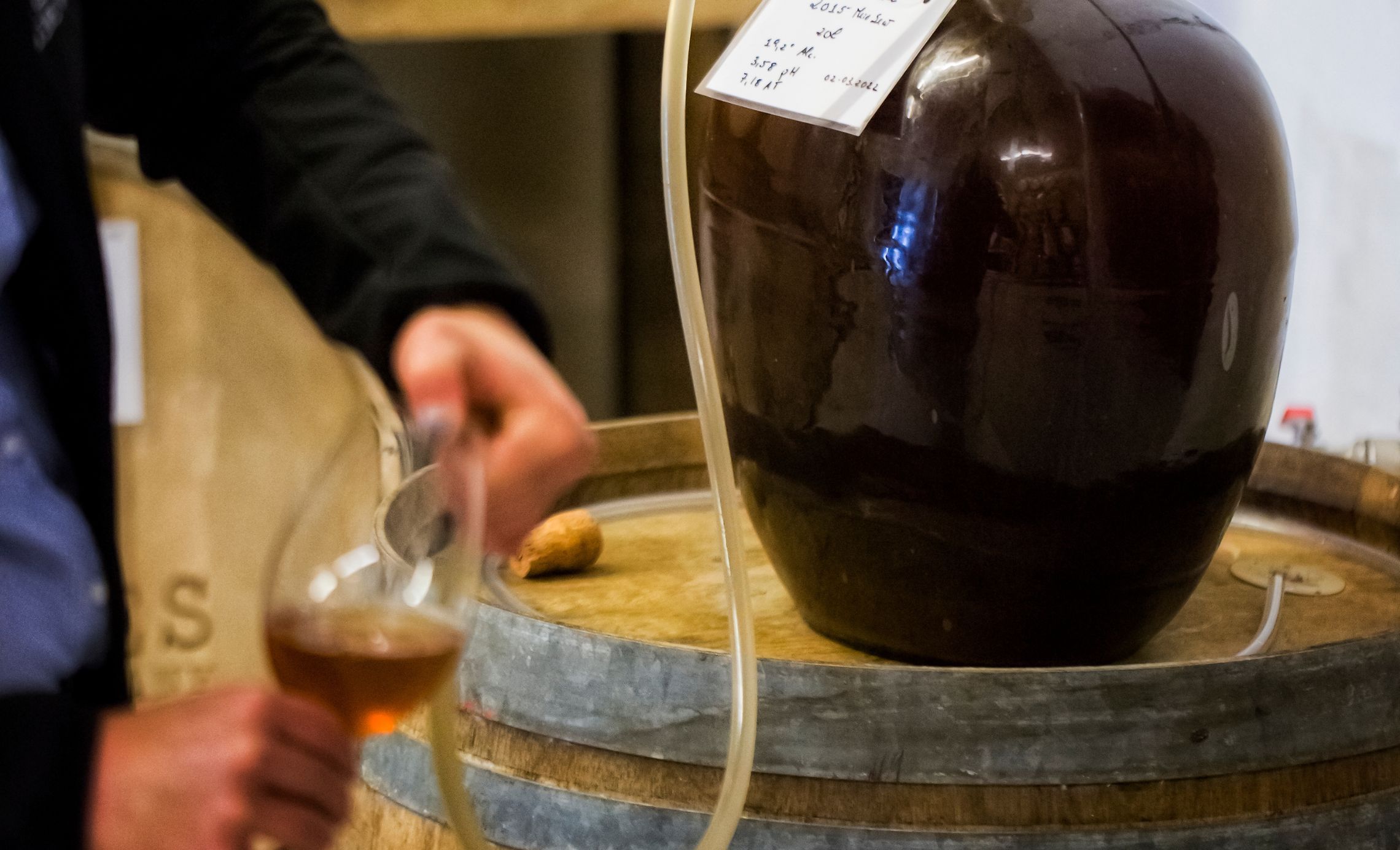
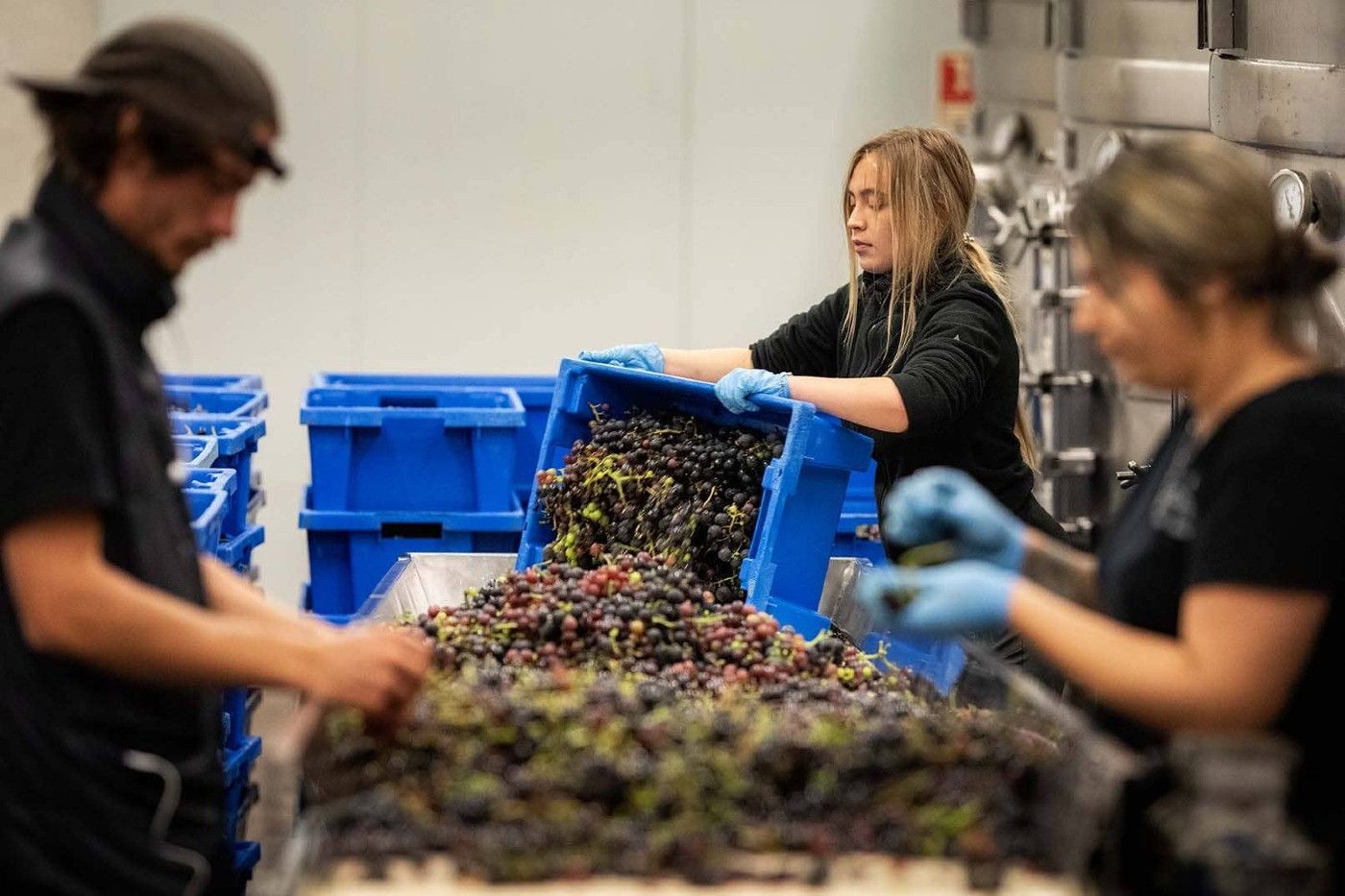
Once they arrive at the winery, the grapes are sorted again on the sorting table. In the case of the white grapes, they go through the direct press and cold decanting into stainless steel vats and barrels. For the red grapes, they go to the destemmer, falling by gravity into the vats, starting the fermentation and maceration process naturally.
Related articles