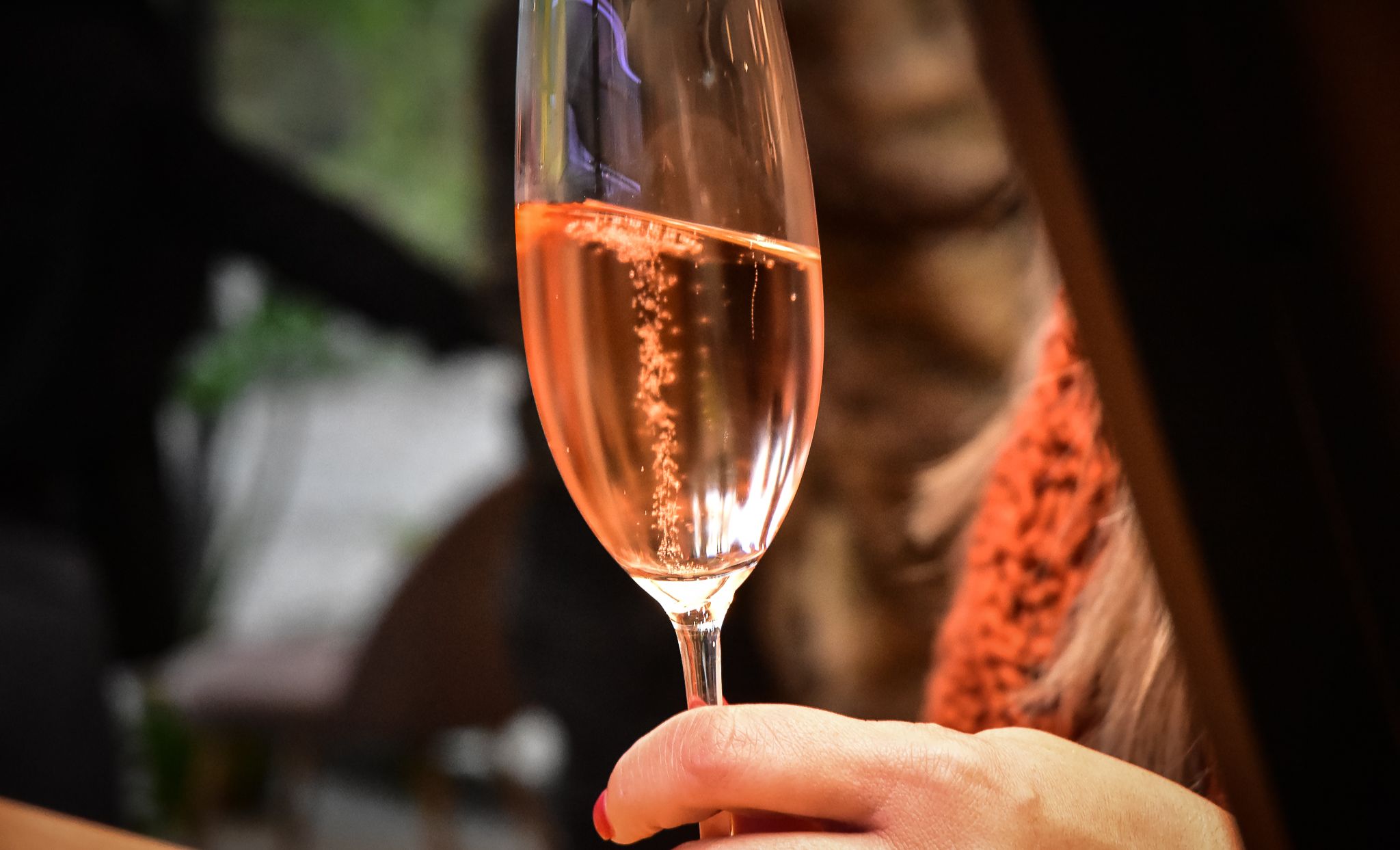
Sparkling wine is a type of wine made through the alcoholic fermentation of white or red grapes and a second fermentation that is reflected by creating gas (bubbles) in the wine. The range of sparkling wines includes white, rosé and red wines.
Champagne is a sparkling wine that only has its own name because it comes from a demarcated region, the Champagne Region, its produced using the traditional or Champagnoise method.
All the wines from Champagne are sparkling, but the reverse cannot be said.
Any other sparkling wine from France made by the traditional method that is not from the Champagne region is called Crémant.
Sparkling wines are undoubtedly one of the most consumed drinks at special events and certainly the fastest to run out of. However, the same cannot be said for the speed of its production, it is by far the longest and most complex to make.
It is not enough just to have a wine, it must also have sparkling bubbles, that is, normally wines go through vinification with an alcoholic fermentation, sparkling wines go through two fermentations in which the second, depending on the technique used, gives rise to sparkling or semi-sparkling wines.
There are several answers to how to make sparkling wine. There are currently six different techniques/styles of making sparkling wines:
Without complicating things too much, the most common methods are: the traditional or Champagne method and the tank or charmat method.
For any type of sparkling wine, regardless of the technique used, it is always necessary to use what is called a Base Wine.
To do so, white or red grapes are chosen, grapes with a low alcoholic degree (around 10º alcoholic degrees) and high acidity, then they are pressed. The pressing is normally done with whole bunches and gently to ensure a must that is clean in colour and structure. After pressing, alcoholic fermentation takes place as if it were a normal white wine, that is, fermentation is normally carried out in a tank or barrel at a low and controlled temperature.
In sparkling wine production, the base wine used for the second fermentation may or may not be batches from different years, monovarietal or blend of grape varieties. The important thing is to have a complex base wine, so as to obtain a richer aromatic component in the final sparkling wine. This base wine is low in alcohol and high in acidity.
In the traditional method, the wine's gas is obtained by the second fermentation of the base wine inside the bottle. In order to ferment before bottling, a yeast and sugar solution (liqueur de tirage) must be added to the base wine so that fermentation can take place in the bottle, using the traditional method.
The bottle is normally sealed with a cap and stored in pupitres (which are triangular-shaped wooden structures).
The second fermentation occurs slowly in the bottle leading to a slight increase in alcohol content (1.3º) and the release of carbon dioxide which gives rise to the sparkling wine. As the bottle is sealed, the carbon dioxide produced during fermentation cannot escape and begins to dissolve in the wine, creating bubbles.
During the fermentation process, the yeast and the enzymes that die (self-digestion) create a sediment called "lees". As this second fermentation is slower and the ageing time is longer, it allows these lees to release aromas into the wine, making this stage one of the most important in bottle fermentation.
After ageing, the next step will be Remoage, removing the deposit created by the dead yeasts, otherwise, it creates a cloudy wine.
In the traditional method, to help with the lees removal, the bottles are stored/aged in pupitres where they are manually and slowly, rotated round and tilted from the initial horizontal position until the final result is an inverted bottle where the lees are deposited in the neck of the bottle, fulfilling the remoage technique.
Nowadays, for those who do not have the manpower available and want to lower costs there are the Gyropallets that do this work mechanically.
The next phase is disgorgement, or dégorgement in French, which consists of removing the lees from the bottles and resealing the wine. Disgorgement is performed in the following way: the neck is frozen so that the deposit comes out in the form of ice and does not cloud the wine in the bottle.
The whole process of removing the lees should be quick and in a cold environment; however, some wine is lost and the missing volume should be replaced. This is where the expedition liquor stage comes in, which allows, on the one hand, to replenish the missing wine, and on the other, to set the desired levels of sugar one wants to have in the sparkling wine, giving rise to different types of sparkling wines, the most common of which is the Brut (meaning that only a small amount of sugar has been added).
Normally, wine from the same bottles is used to top them up, but other wines can be used. After the expedition liquor the wine is bottled and labelled.
Another type of process used in the production of sparkling wines is the tank method or "Charmat" in which the main difference is that instead of putting the tirage liqueur in bottles for the second fermentation, this whole process is done in pressurized vats to avoid loss of gas.
In the Charmat method, the lees are removed from the wine by filtration.
The expedition liqueur continues to be added for sugar adjustments, giving rise to the different types of sparkling wine.
Besides this method being more economic, it does not require as much labour and the gas formation remains a natural result of the yeast.
The most common sparkling wine grape varieties in Champagne are: Pinot Noir, Pinot Meunier and Chardonnay. Curiously, the first two are red grape varieties and most of them are used to make white Champagnes. This is due to the gentle pressing that these varieties undergo, making the juice/must very clear and giving origin to white wine or a rosé wine.
Yes, it is possible to make white wine from red grapes, just don't let the must come into contact with the skins (the colour is in the skins).
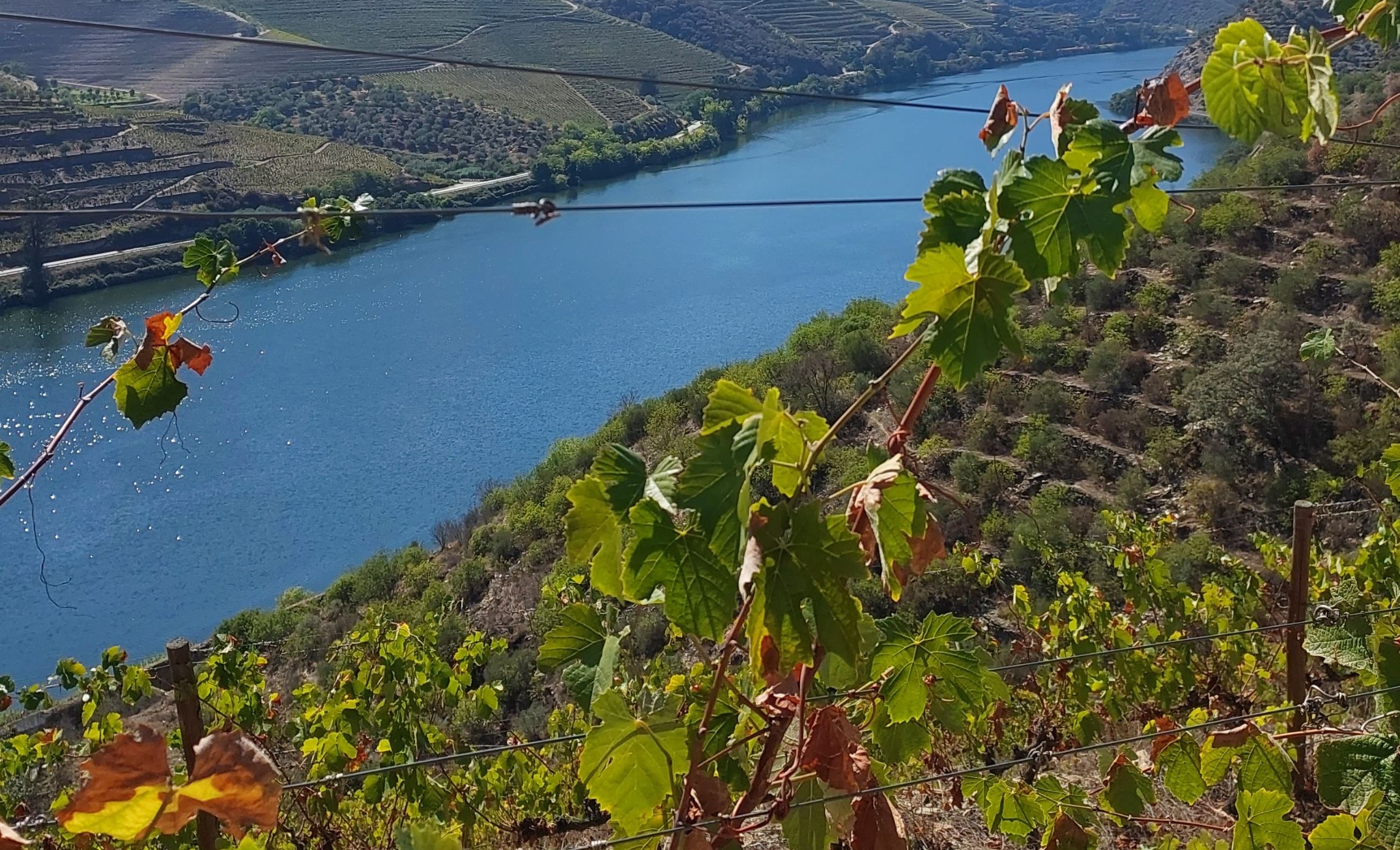
In Portugal, the main regions producing sparkling wine are Bairrada, Douro and the Vinho Verde Region, but we can drink sparkling wine from all the regions, it's a type of wine that is on the rise in Portugal.
The main sparkling grape varieties used in Portugal for the production of sparkling wines are: Baga and Touriga Nacional for the reds, and Fernão Pires, Maria Gomes, Arinto, Bical and Chardonnay for the whites. In the Algarve, for example, Negra Mole is proving to be surprising in its versatility and is already being used in the production of sparkling wines.
The sparkling wines of our Sexy and Azores Wine Company brands are not Champangnes, but are made by the Traditional Method, as we believe it is the technique that brings the most elegance to the bubble formation. It is normal for many producers to make a point of writing the type of method used on the label so that the consumer can see that there great care and work when into that wine.
As for sweetness, sparkling wines may have varied sugar concentrations:
Related articles