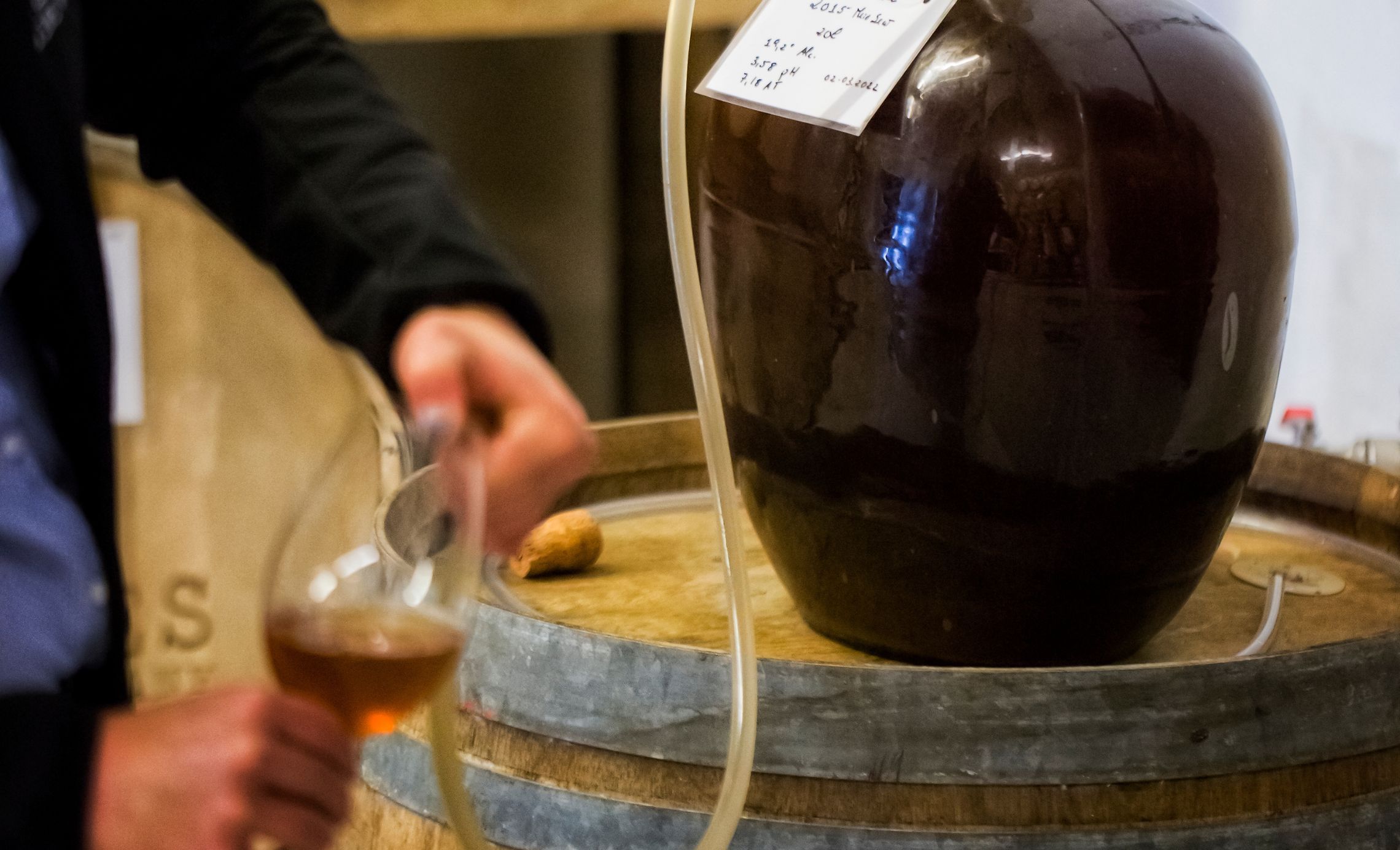
Thomas Jefferson preferred Pico wine, even when he lived in France as consul and had access to French wines.
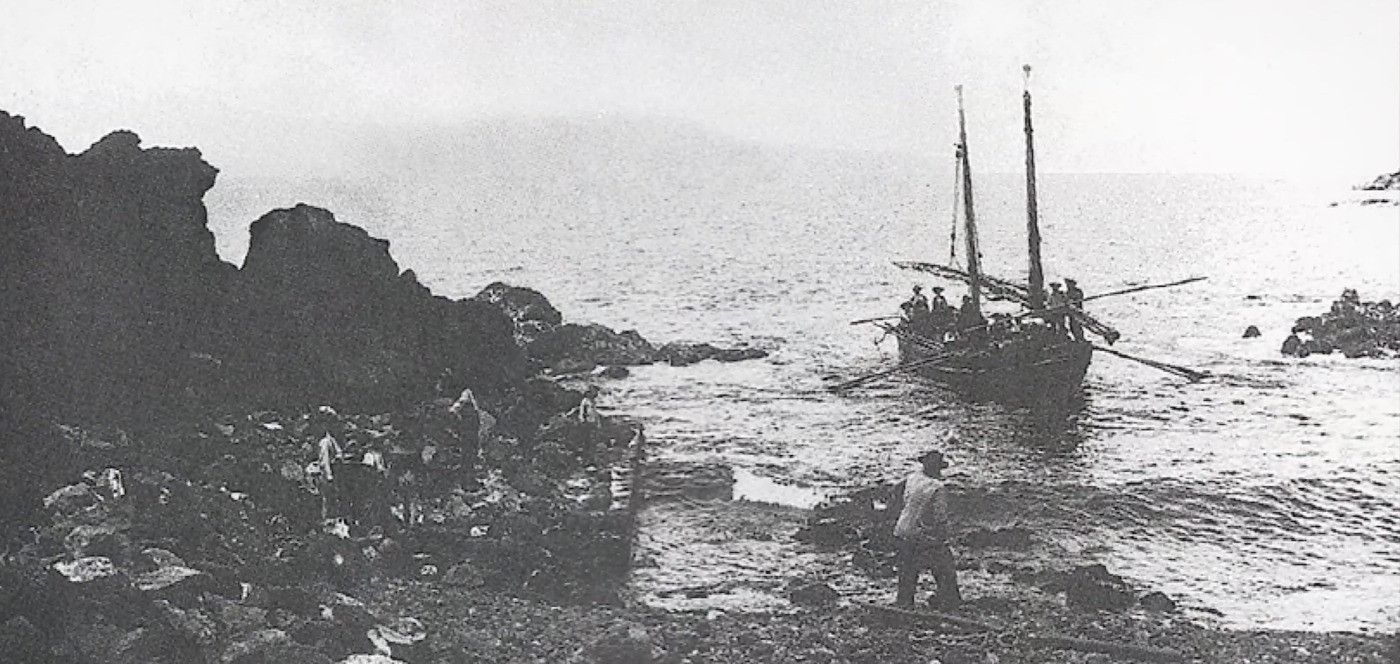
Despite its fame in the 18th century, almost 200 years earlier, Gaspar Frutuoso already praised the qualities of Pico wine in 1580.
Pico's wine is not only very, but precisely the best, which should be understood much more than the wine that is called "vinho passado" on that island, because it is so generous and so strong that it in no way yields to what is called "Malvazia" in Madeira, but it seems that the latter beats the former, which is enough to alienate a man from his senses, However, the fortified wine from Pico is used more for using up the bad humors, comforting the stomach, cheering up the heart, enlivening, and not making a man lose his judgment, and the use of reason, besides being very smooth in taste and much more than the other wine from the same island, as it is all precious.
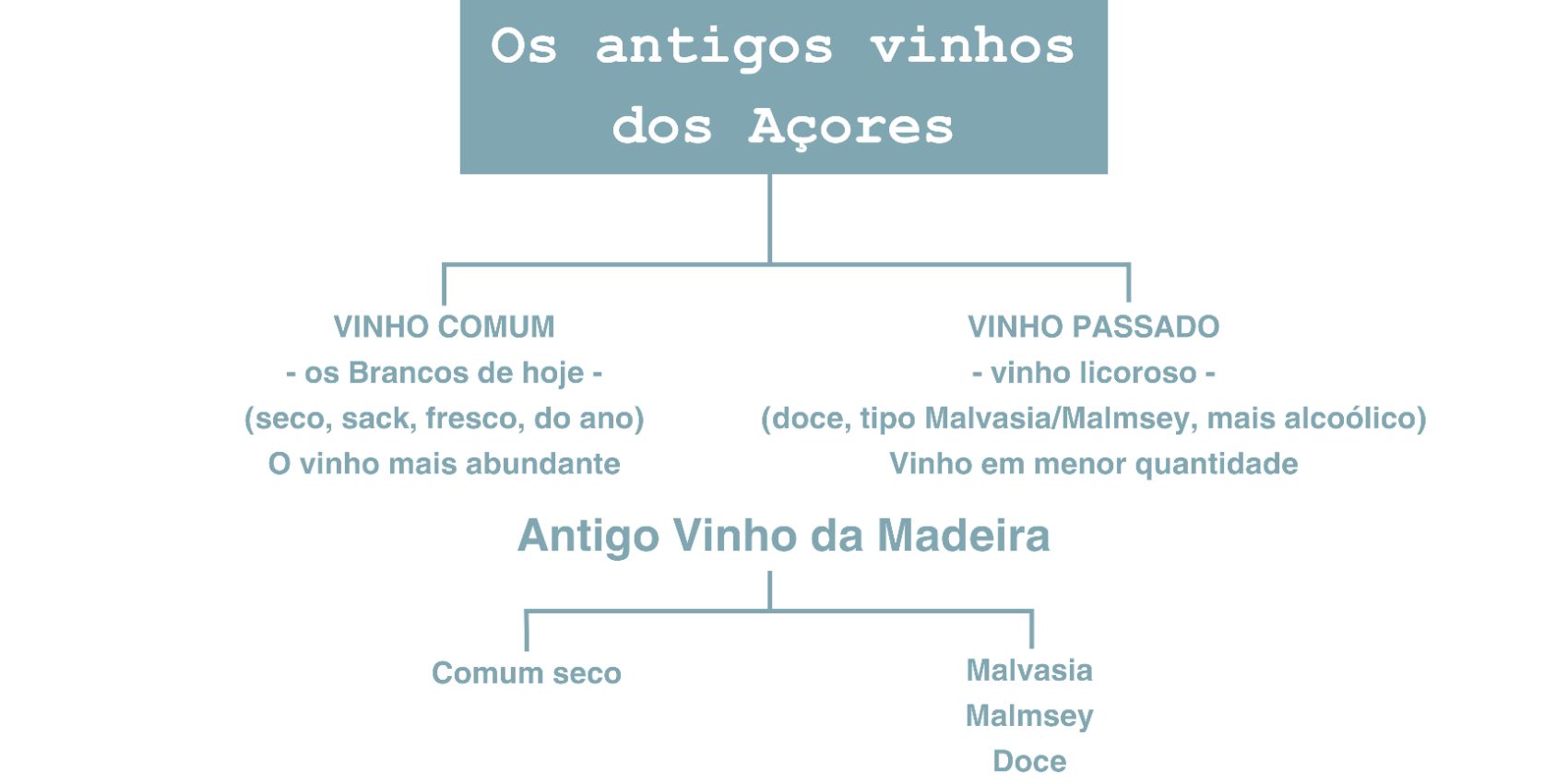
More than a hundred years later, André Brue (1703) mentioned that there were two kinds of wine: mulled wine and ordinary wine, the latter being much more abundant. This was later confirmed by Michel Adanson in 1727, James Cook in 1772 and Gustav Hebbe in 1801. Twenty-five years later, Michel Adanson (1727) said that there were two types of white wine: a Malvasia type (the name by which the sweeter Madeira wine was known) and a dry type.
Fifty years later, James Cook (1772) confirmed the two styles of wine but preferred the common wine, which is sour, acidic, pleasant, full-bodied and improves with age. The other type of wine is sweet, raisiny and more expensive. Almost thirty years later, Hebbe (1801) reinforced this idea again when he mentioned two styles, one sweet, the "Malvasia" from Fayal, which is one of the best sweet wines, and the other, the common peasant wine, which is young, weak and mixed with water, not at all like liqueur and alcoholic wines.
Pico wine was the most consumed wine in the Americas in the mid-17th century until the early 19th century, only sometimes surpassed by Tenerife wines.
Pico wine was a must in the cellars of the "New England" elites who later became known as the "Founding Fathers" of what is now the United States of America.

We know that George Washington, the first President of the United States, kept old Madeira wine and old Pico wine in his personal collection.
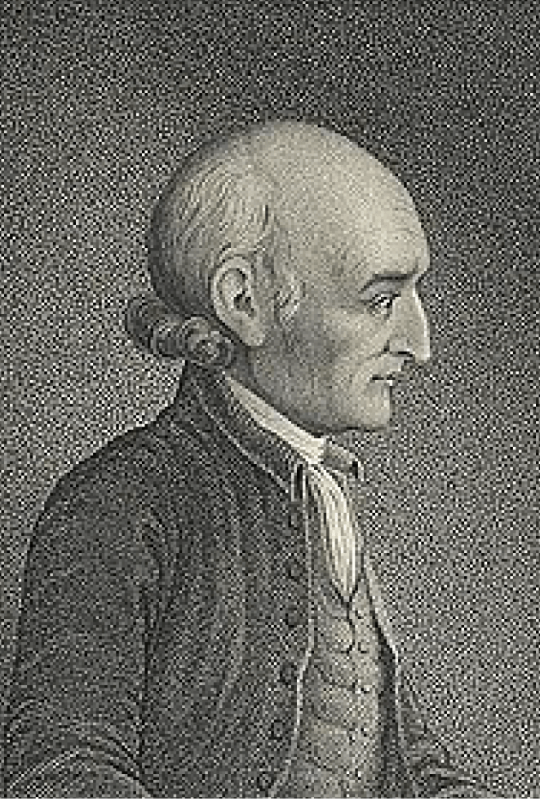
George Wythe, one of the signatories of the Declaration of Independence, also kept Pico wine in his personal collection to entertain his guests.
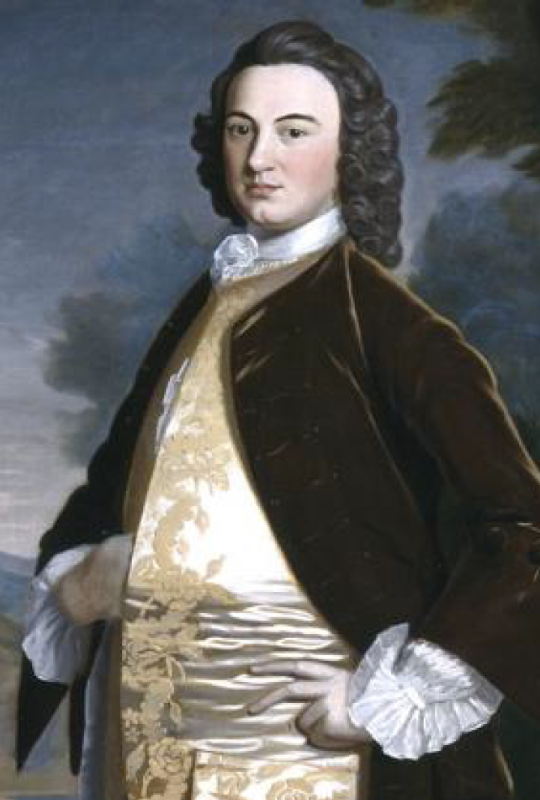
James Bodwin, an illustrious political leader during the American revolution, preferred Madeira's old wine, but almost said that Pico's wine almost equaled it in taste.
 />
But Thomas Jefferson was one of its greatest admirers, demanding to drink it even on a visit to France. In the "Letters to Mrs. Adams" written by John Adams. On May 9, 1776, he writes that a ship loaded with Fayal wine has just arrived and they have just taken two prizes.
With France's support for American Independence, Pico wines lost their importance in the "Americas" and gained importance on the table of the Russian Tsars in the 19th century.
As fate would have it, in 1853 the mildew disease and in 1870 the phylloxera wiped out the production of the Azores from 9 million liters in 1852 to 28,000 liters in 1859, a destruction that eliminated an entire industry and forced the mass emigration of the inhabitants of the islands of Pico and Faial, who lost half their population and have never recovered it to this day.
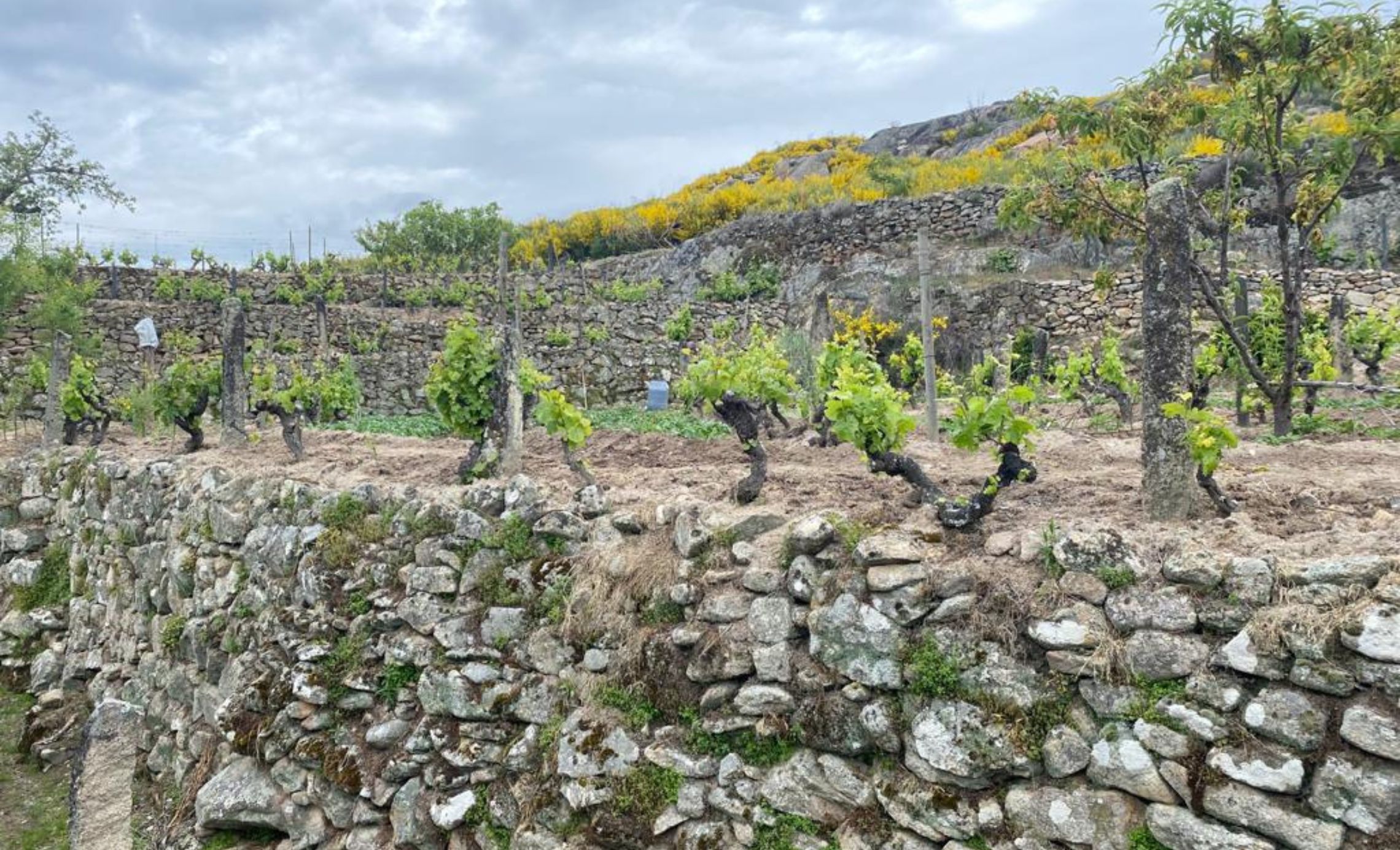
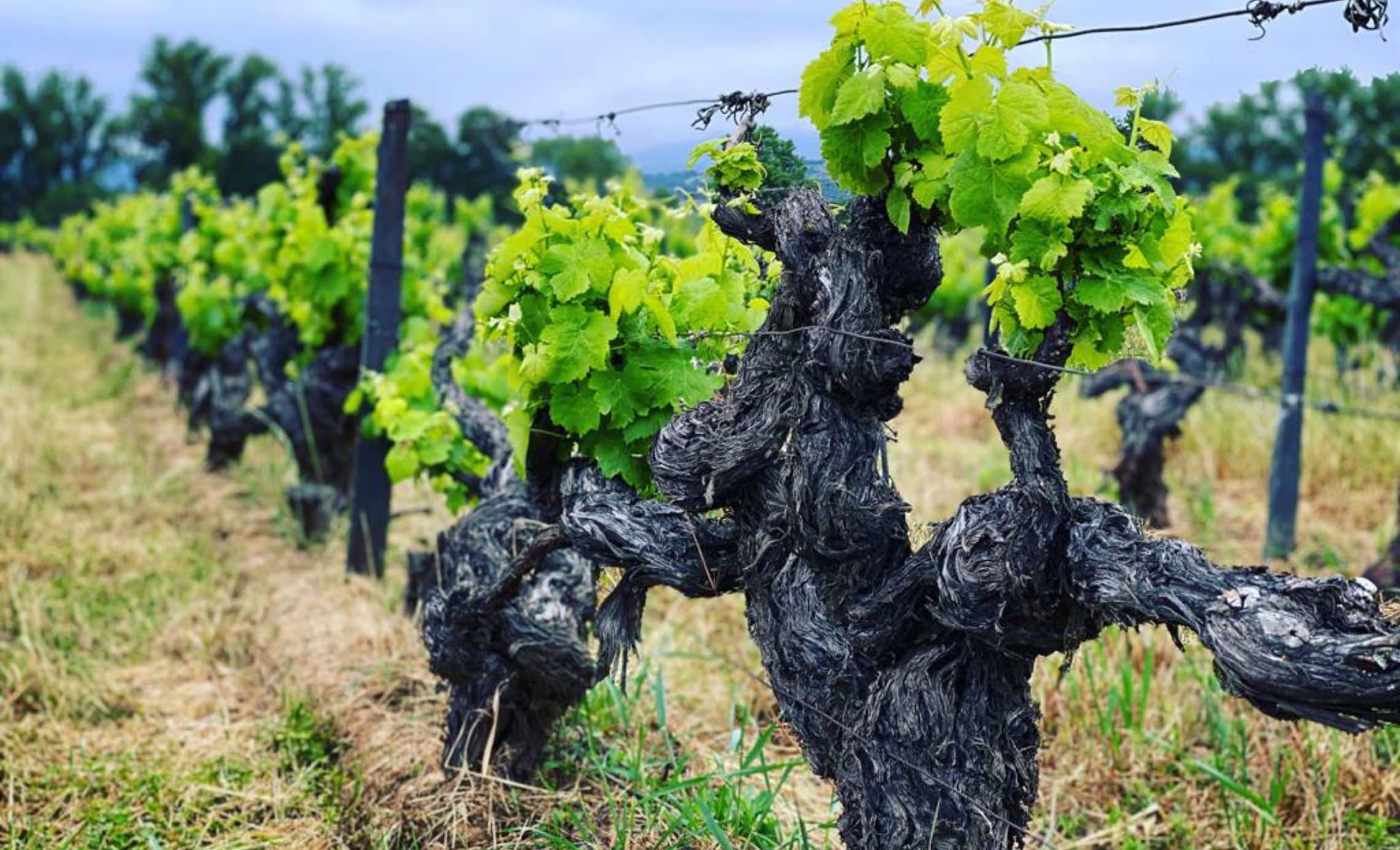
It was during this period that hybrid grape varieties were introduced, almost pushing noble varieties such as Arinto dos Açores, Terrantez do Pico and Verdelho to extinction. But some Picarotos resisted and stubbornly kept these varieties. At the end of the 1940s, an agricultural council went to Pico Island and decided to form a cooperative to preserve the vineyards and the old Pico wines. Fifty years later, in 2004, the Pico vineyards were nominated for World Cultural Heritage status, further protecting the unique heritage of the Pico vineyards.
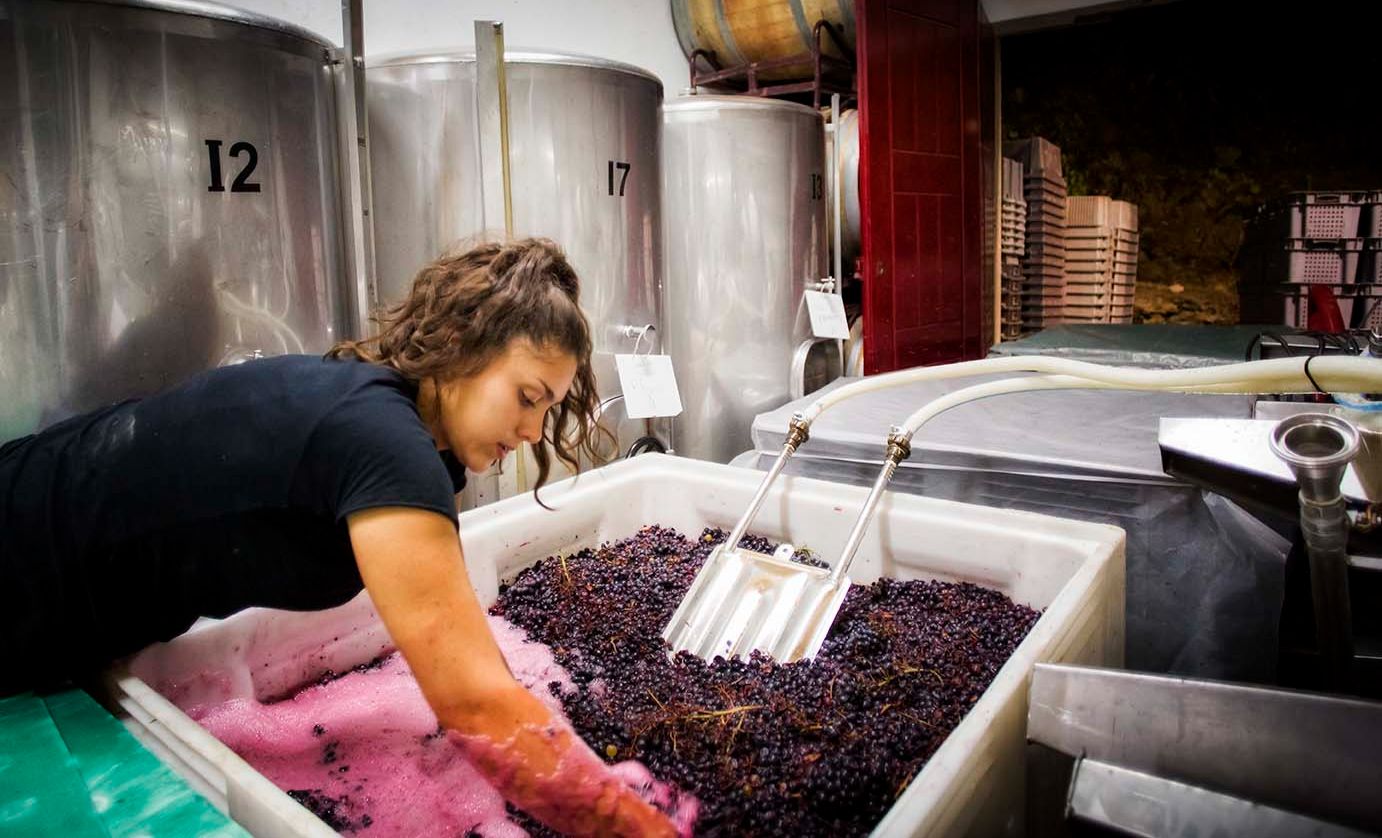
Six years later, in 2010, António Maçanita joined in the rehabilitation of the endangered Terrantez do Pico grape variety. This was followed by the production of Arinto dos Açores in 2013 and Verdelho O Original in 2014. In the meantime, behind the scenes, knowing the importance of the old liqueurs, António has been buying up batches of old Pico wines (2008, 2006, 1995, 1990 to 1957) and began producing liqueurs in 2014, uninterruptedly until today, with a view to creating a stock of liqueurs on the island that can match the past of these wines.
António claims that at the age of 70 he has built up a stock of 150,000 liters of Pico liqueur wine.
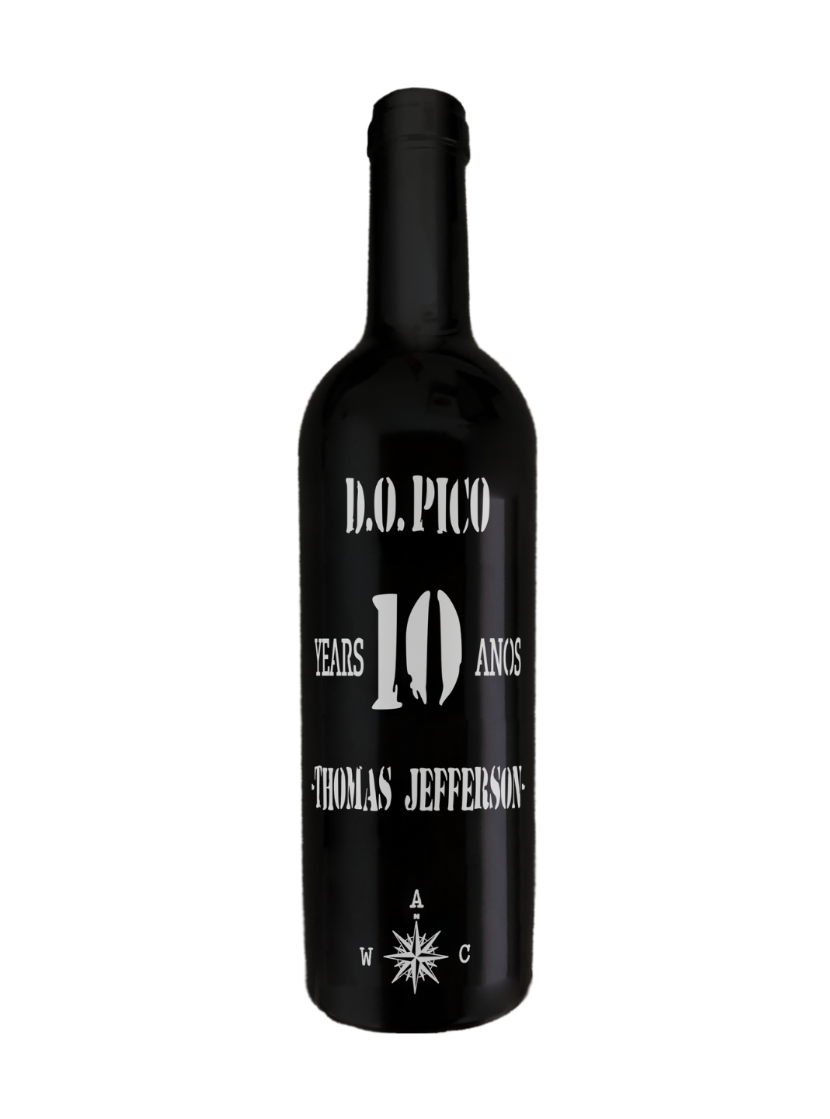 />
With our Thomas Jefferson 10 Year Old, we're kicking off a series of 600 bottles of what was once the symbol of Pico's old wines, the liqueur wine, in its golden age!
This DO Pico 10 Years, made up of wines lost in cellars and inspired by ancient texts, hopes to contribute to the recovery of what was one of the most important and fascinating wines in Portugal... and perhaps the world.
Ageing: Average age of batches: 10 years, containing wines aged over 30 years.
Tasting notes: Crystalline golden amber color, very intense nose, notes of sea, iodine, salt showing where it comes from, combined with aromas of candied orange, orange peel, expression of Azorean grape varieties, all wrapped up in the warm aromas of oxidative aging of toffee, raisins, toasted almonds, coffee beans. In the mouth, a full, concentrated attack, intense mid-taste, the aromas of the nose are repeated, a slight sweetness balanced by a present acidity. Intense, long and very persistent finish.
Related articles