Terrantez do Pico is one of the three indigenous grape varieties exclusive to the Azores, along with Verdelho and Arinto dos Açores. The wines are fresh, mineral, with salty notes, only comparable to an Alvarinho or a saline Riesling.
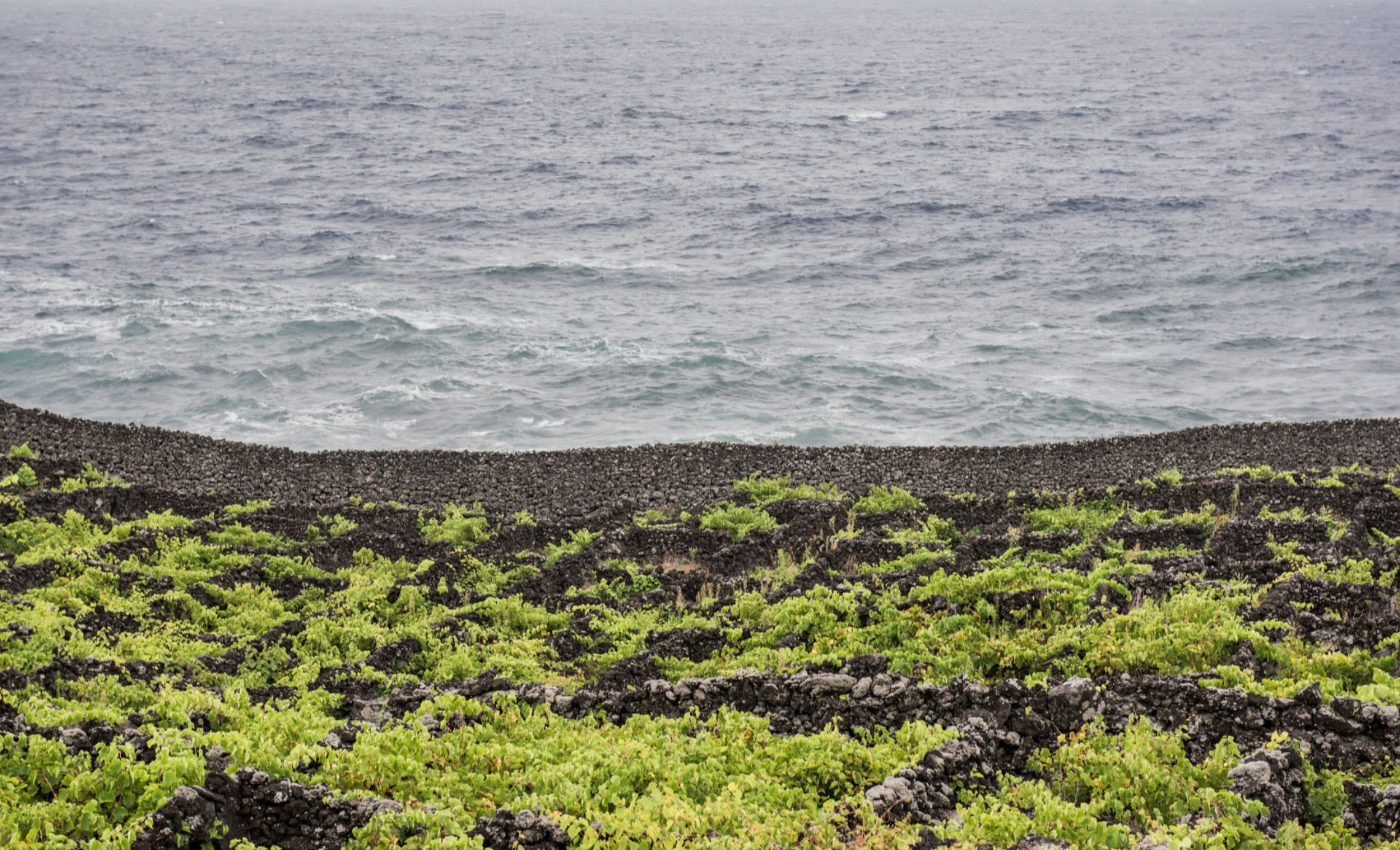
This wine shows the potential of this unique grape variety in this "extreme" volcanic terroir, resulting in a pure, mineral and saline wine... with the hope of inspiring others to preserve its existence. A truly unique terroir in the world, situated in the middle of the Atlantic Ocean, at the base of the volcanic mountain of Pico. The vines are planted in the crevices of the rocks, next to the sea, where you can hear the "crab's song", as it is the area with the most sun and heat. The proximity, sometimes only a few meters, means that the vines have to be protected by stone fences against the strong, salty Atlantic winds.
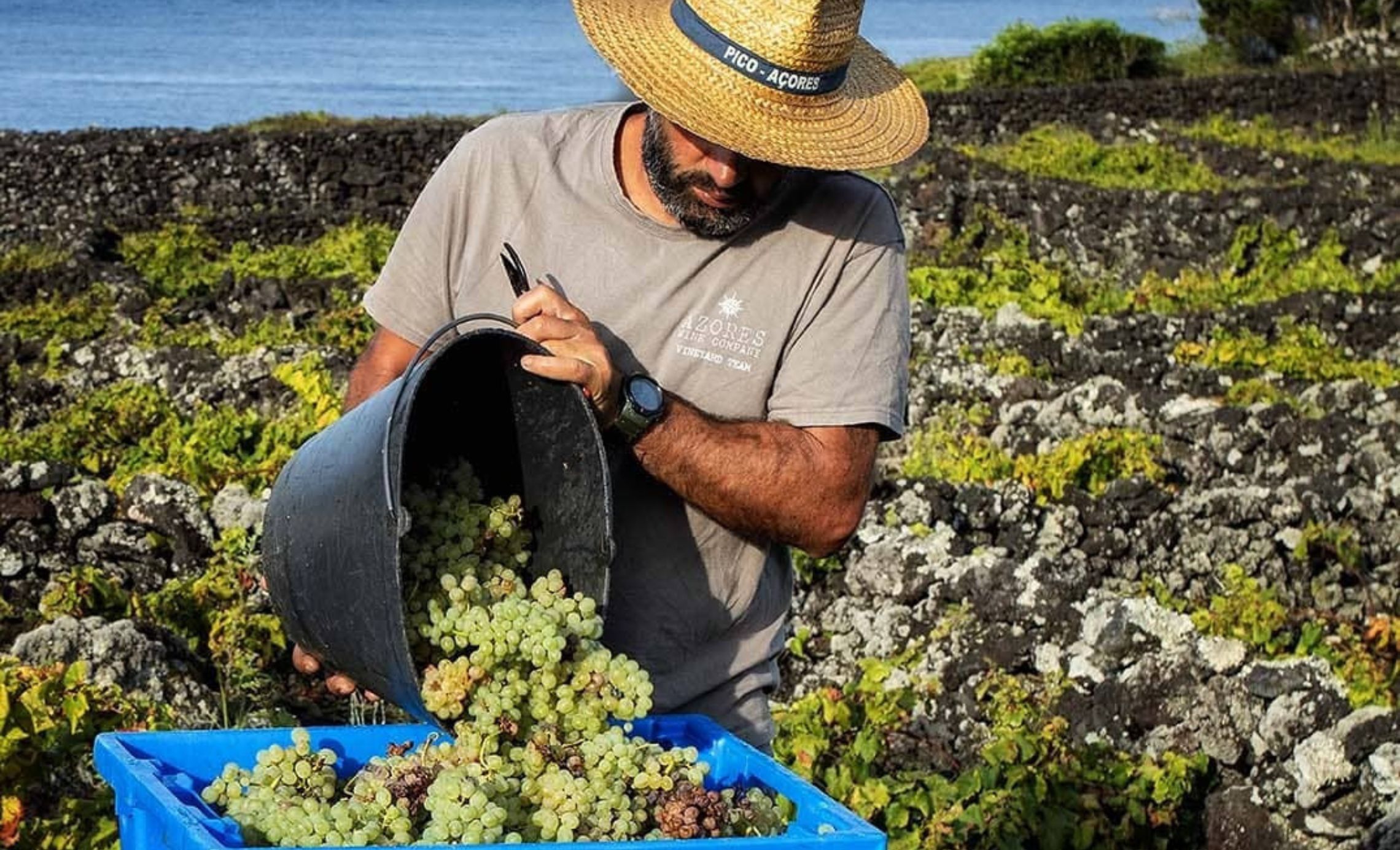
The grapes are harvested by hand and selected in 20 kg baskets, mostly from the island of Pico and a small percentage from São Miguel. The whole bunches are pressed, followed by racking after 12 hours. The first pressings ferment in stainless steel vats with temperature control to preserve the purity of the grapes, while the remaining pressings ferment in third year barrels (30%) and age for 10 months on fine lees.
This wine has a bright citrus yellow color, with an intense floral nose with notes of tea, bergamot and iodine. The attack is rich and full-bodied, with notes of iodine and salt.
Let's go back to 2008, when, at the invitation of Filipe Rocha, António Maçanita went to São Miguel to train at the Ponta Delgada Tourism and Hotel Training School. This time spent at the school allowed António to gravitate calmly around the Azores. This proximity allowed him to discover an indigenous grape variety that he didn't know about because it was practically eradicated: Terrantez do Pico. It was a grape variety with only 89 plants in the Pico region and no record of its existence in current Azorean wines. According to Susana Mestre, the person responsible at the time for the land where the São Miguel Agricultural Services were testing Terrantez do Pico, "it was a variety with which you can't make great wine and that's why it almost disappeared".
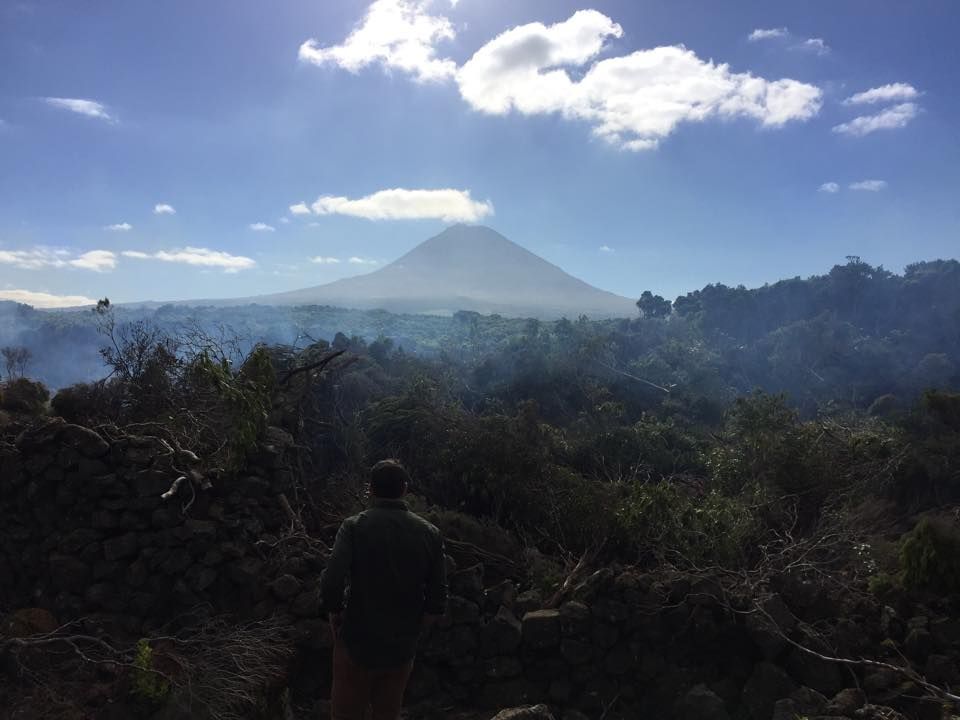
Azorean wines no longer included this grape variety, and for António, it sounded like a challenge. António Maçanita then proposed to the Agricultural Services to develop the Terrantez do Pico grape variety in exchange for being able to commercialize 80% of the production. The first Terrantez do Pico by António Maçanita was made in 2010, in a winery of less than 50 m2, with only a few stainless steel tanks, a wooden press, a thorough cleaning of the dirty machines, and a lot of improvisation.
The Indigenous Grape Varieties of the Azores
The initiative to revitalize Azorean wines and their indigenous grape varieties began with the recovery of the Terrantez do Pico grape variety.
Between 2013 and 2018, a genetic study was conducted in the Azores in collaboration with BioCant to determine the origin of Verdelho, as the Azores claim to have the earliest mention of this variety, two hundred years before Madeira, and two descendants on the islands.
Verdelho
All the work carried out bore fruit when, upon the invitation of the Adeliaçor Association and the Hotel School for a Marketing Workshop, it led to the preparation of a document - Strategy for the Repositioning of Azorean Wines - which included a historical component and a genetic part that asserted Verdelho as the original grape variety, the parent of Arinto dos Açores and Terrantez do Pico.
Verdelho from the Azores is the only traditional grape variety that maintains its designation among the islands of Pico, Terceira, and Graciosa. This fact is consistent with the history of the variety in the archipelago since, as inferred from the citations about the origin of vine cultivation in the region, it is considered the oldest and most typical grape variety.
It is the same as Verdelho cultivated in Madeira and Australia, where it was brought from the island of Madeira around 1824. However, microsatellite profiles scientifically prove that it is a different grape variety from the Italian Verdicchio, Spanish Verdejo, and Portuguese Gouveio, which is also called Verdelho on the mainland.
Arinto dos Açores
Arinto dos Açores is the most important grape variety in the archipelago. It is an indigenous grape variety unique in the world, and its origin is unknown. However, recent studies suggest that it is a descendant of the Verdelho grape variety and a sibling of Terrantez do Pico.
Among the three traditional grape varieties grown in Pico, Arinto dos Açores is the most resilient to inclement weather, exhibiting higher production capacity combined with similar or even superior enological quality compared to Verdelho.
Related articles