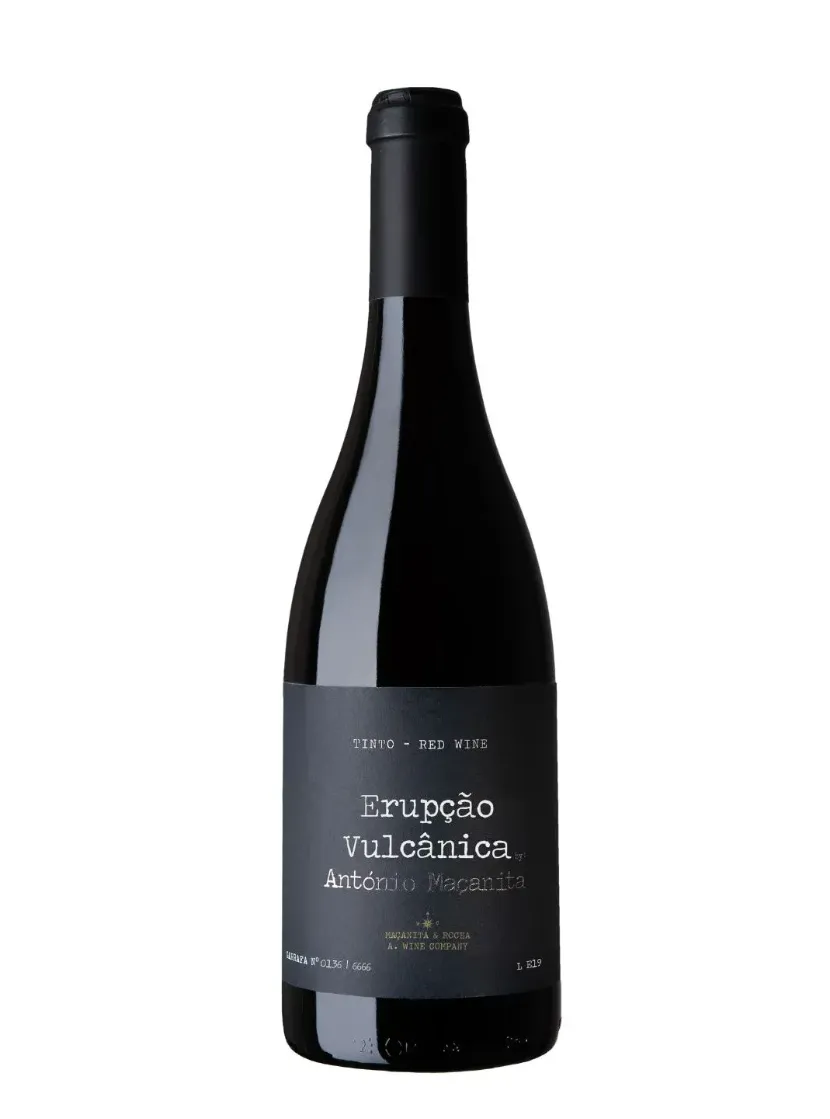
Brings together the best wines from the 2018, 2019 and 2021 vintages in search of the expression of Pico's volcanic soils. It's our Volcanic Eruption!
 />
Malvarisco, Bastardo, Rufete, Saborinho, Agronómica, Aragonês, Castelão, Touriga Nacional and others.
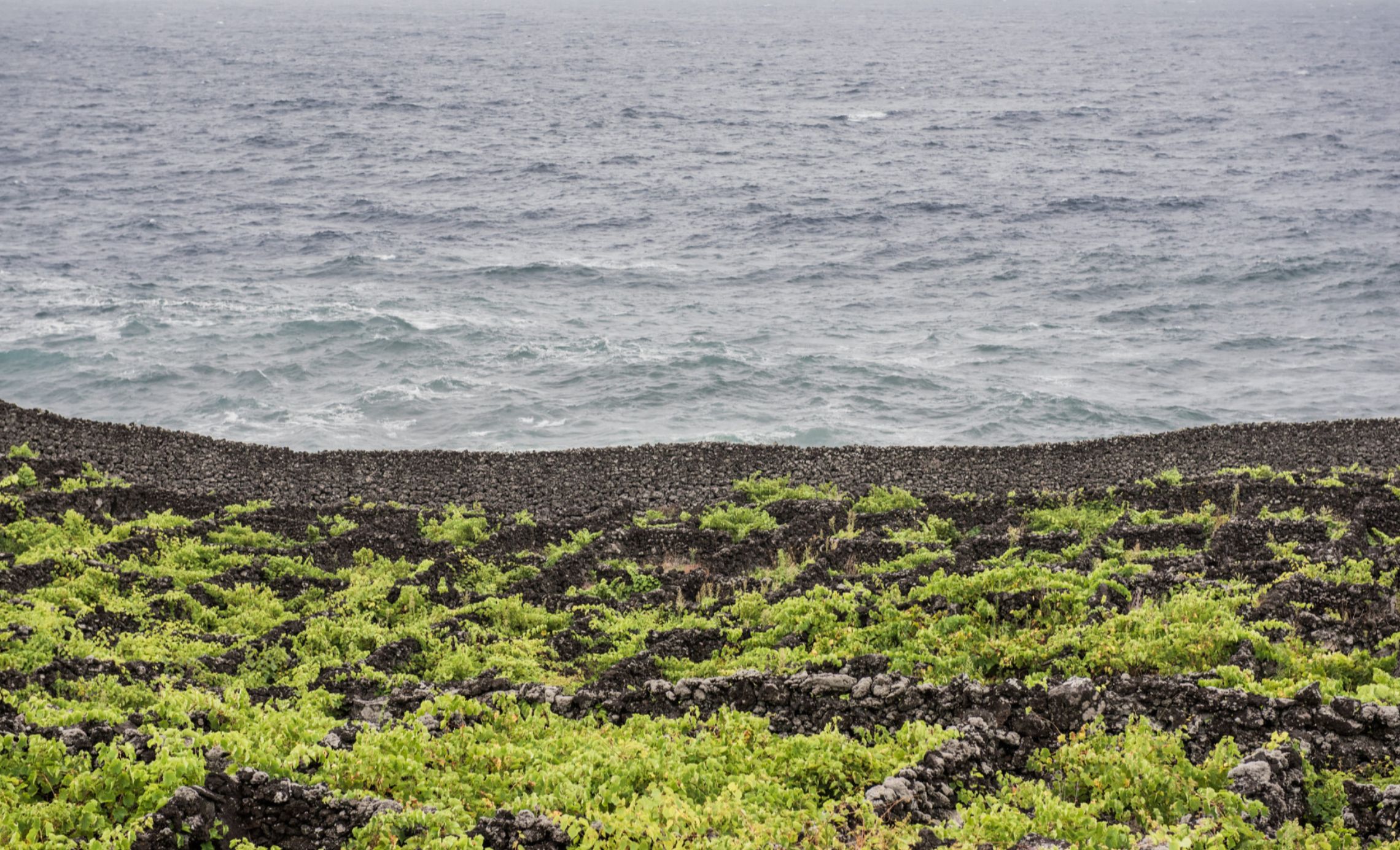
A unique terroir in the world, in the middle of the Atlantic Ocean, at the base of the volcanic mountain of Pico. The vineyards are planted in the rock crevices, close to the sea, where you can hear the "crab’s singing" because this is where there is the most sun and heat. The proximity, sometimes just a few meters, requires the protection of the vineyard with walls (currais) against the strong and salty winds of the Atlantic.
Selective manual harvest in 20kg baskets, the grapes are carefully selected on a sorting table, with 30% whole clusters and 70% destemmed. They fall into the tank by gravity. Spontaneous fermentation and maceration for 25 to 30 days on the skins.
50% in barrels and 50% in stainless steel tanks. Average aging of 30 months.
Open ruby color, an explosive nose with notes of red fruit, smoke, sea, and some vegetal hints. On the palate, it is fresh, textured with a lot of salinity, and fine tannins.
Saborinho, also known as Tinta Negra or Molar de Colares, is one of the traditional red grape varieties of the Azores islands that has almost disappeared from the vineyards.
Open, garnet color, very intense nose, lots of personality, acidic wild strawberry aromas.
Bastardo, also known as Trousseau, is found in Madeira and mainland Portugal.
It is one of the progenitors of Terrantez do Pico and the "half-brother" of Saborinho.
It has a very characteristic aroma, reminiscent of wild fruits and berries, evolving into more complex aromatic compositions, with notes of prunes and tobacco.
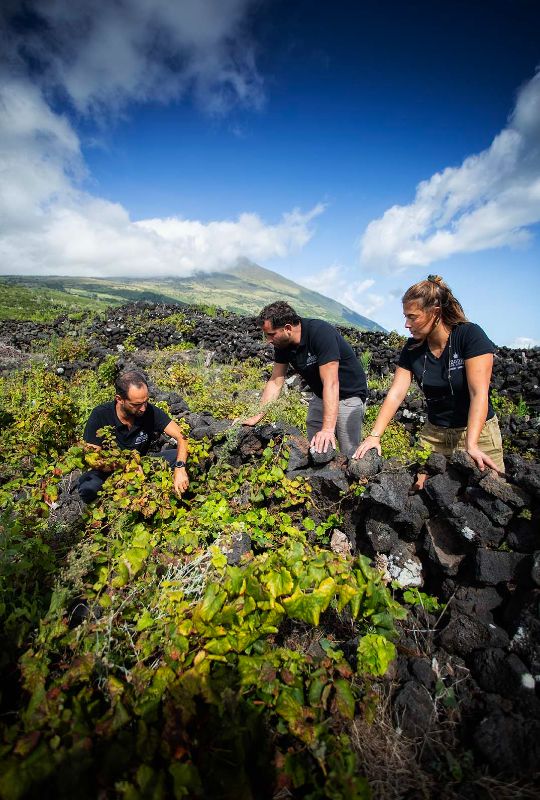
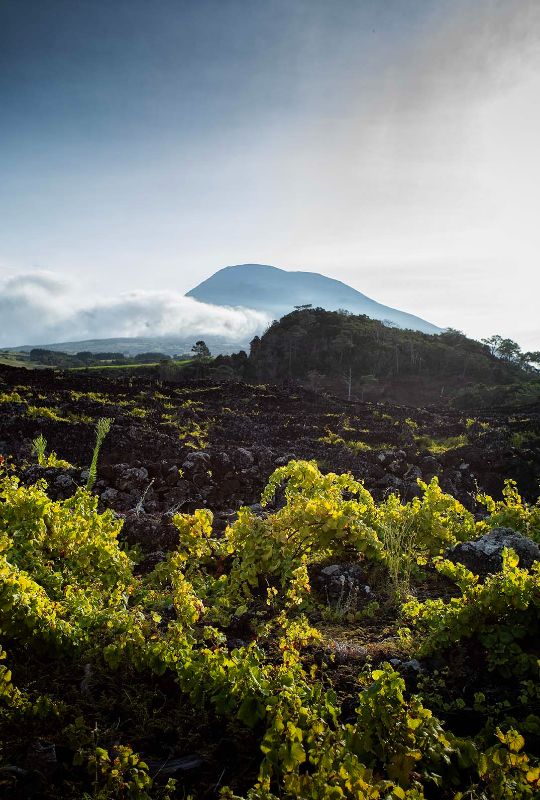
Rufete is part of the vineyard authorized for the "Azores" Geographical Indication, and was found in the old vineyards of Pico.
Ruby color and open, floral aroma, herbaceous taste and light structure.
Malvarisco, a grape variety that the ancient Picarotos called Bastardo (not to be confused with the Bastardo variety already mentioned), has only been found on one plant on the whole island.
Belonging to an 80 to 90-year-old vineyard in Lajido da Criação Velha, this vine has revived an area of almost 4 hectares, more or less like 8,000 Malvarisco plants.
Related articles
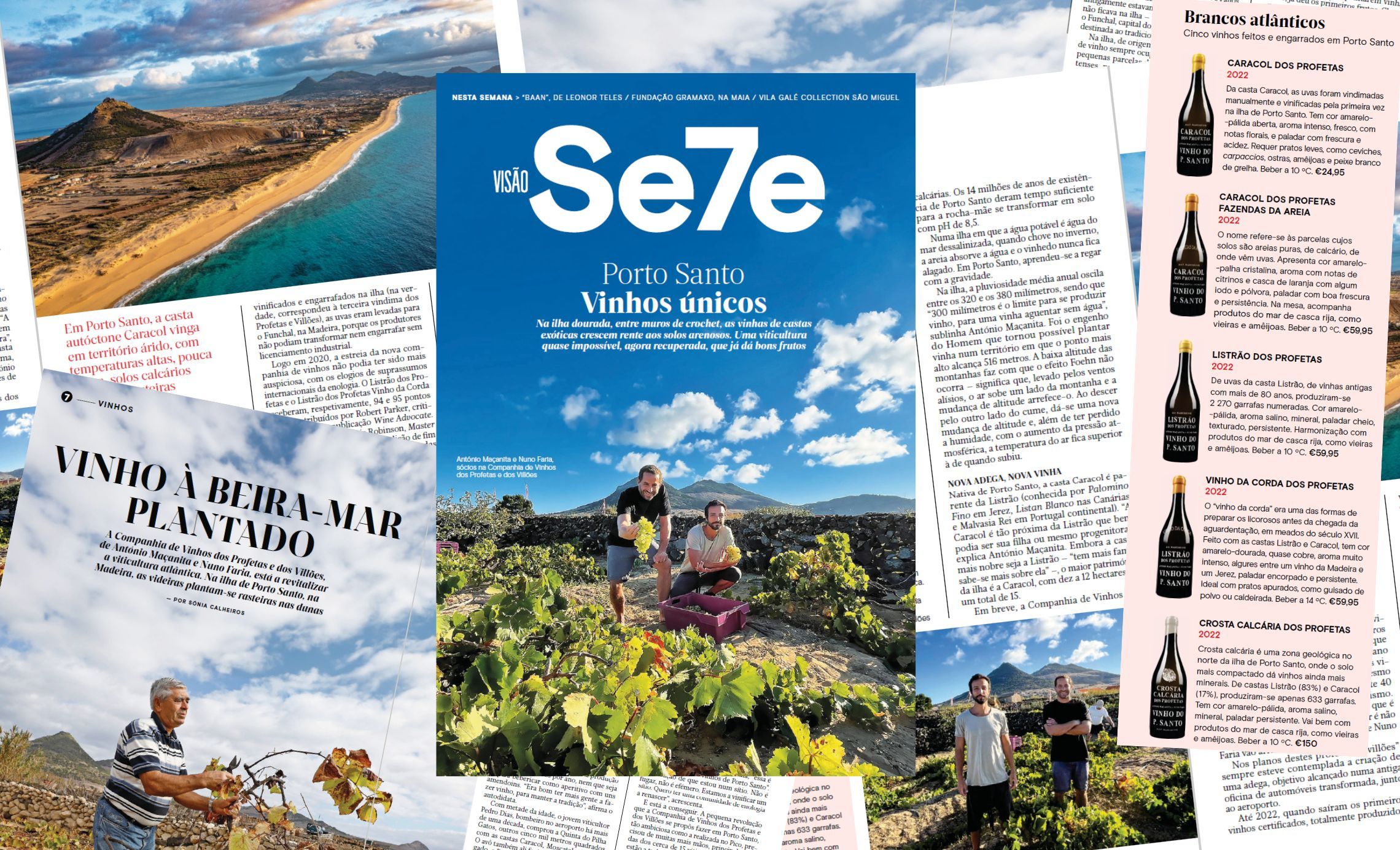
Visão Magazine: Porto Santo, unique wines | Article on Profetas e Villões