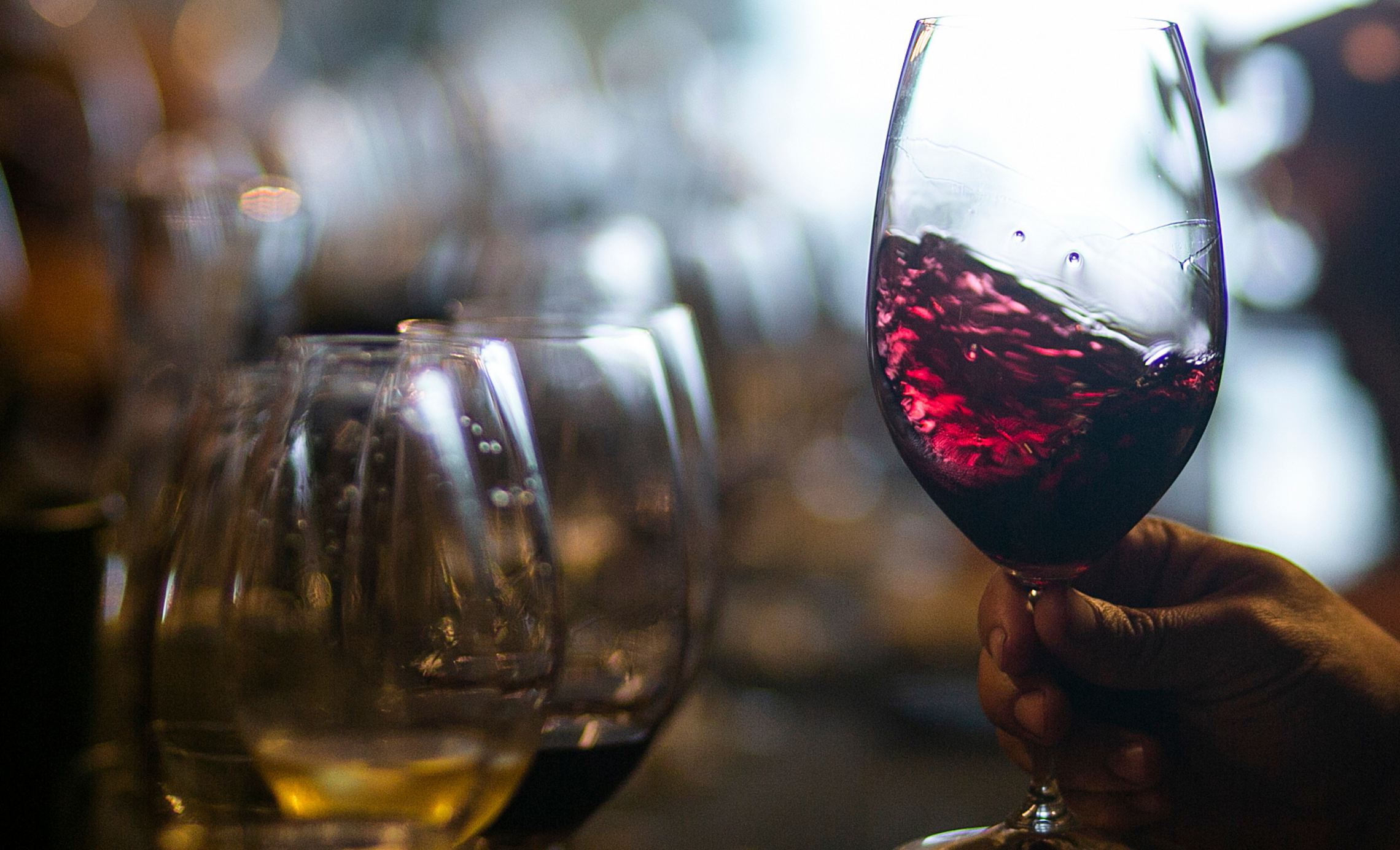
In the world of red wines, there are full-bodied, medium-bodied and so-called light red wines. Red wines are generally matured in French, American, Portuguese, or even Eastern oak.
Maturation times, generally between 6 and 36 months, are decided according to the wine and its ageing potential. Full-bodied red wines are very typical of warm regions and also where the vines have low production rates.
More and more, red wines are produced without ever being in contact with oak in order to bring out the primary qualities of the grape and its fruit aromas.
Red wines may have more or less texture depending on the grape variety, region and production method. Red wines have more or less body according to the levels of tannins, as well as proteins.
Proteins and tannins are the main reason for the perception of greater texture and density in wine.
Wines may have no contact with oak, these are generally lighter elegant wines, with less tannin concentration in their composition. Wines may also be "half" oak, that is red wines that at some stage of their maturation have come in contact with oak barrels.
However, the “half" oak profile is defined by the balance between the fruit and the wood, where the fruit prevails. Finally, the wines with oak generally have more body, as they have longer contact time with the wood from which they extract the so-called ellagic tannins, which react in the wine, forming a blend of texture and body.
The profile of a red wine is varied, which is why their selection depends on different criteria such as: the occasion for which they are selected, their ageing potential, and personal taste and preference.
It is said that products that last are often a higher quality. It is true that a fuller-bodied red wine is more likely to last a long time, since the high levels of phenolic compounds (tannins) act as an antioxidant, preserving the wine.
On one hand, the same tannins give more texture and volume which leads to a richer taste.
On the other hand, it is also known that acidity is a determining factor in the conservation and durability of wines. In cooler regions, the red wines are less full-bodied, but with greater acidity.
This characteristic also makes these wines have excellent ageing potential. Thus, it is not correct to conclude that good wines are those that are full-bodied, but rather those that have greater durability, that are timeless.
Related articles
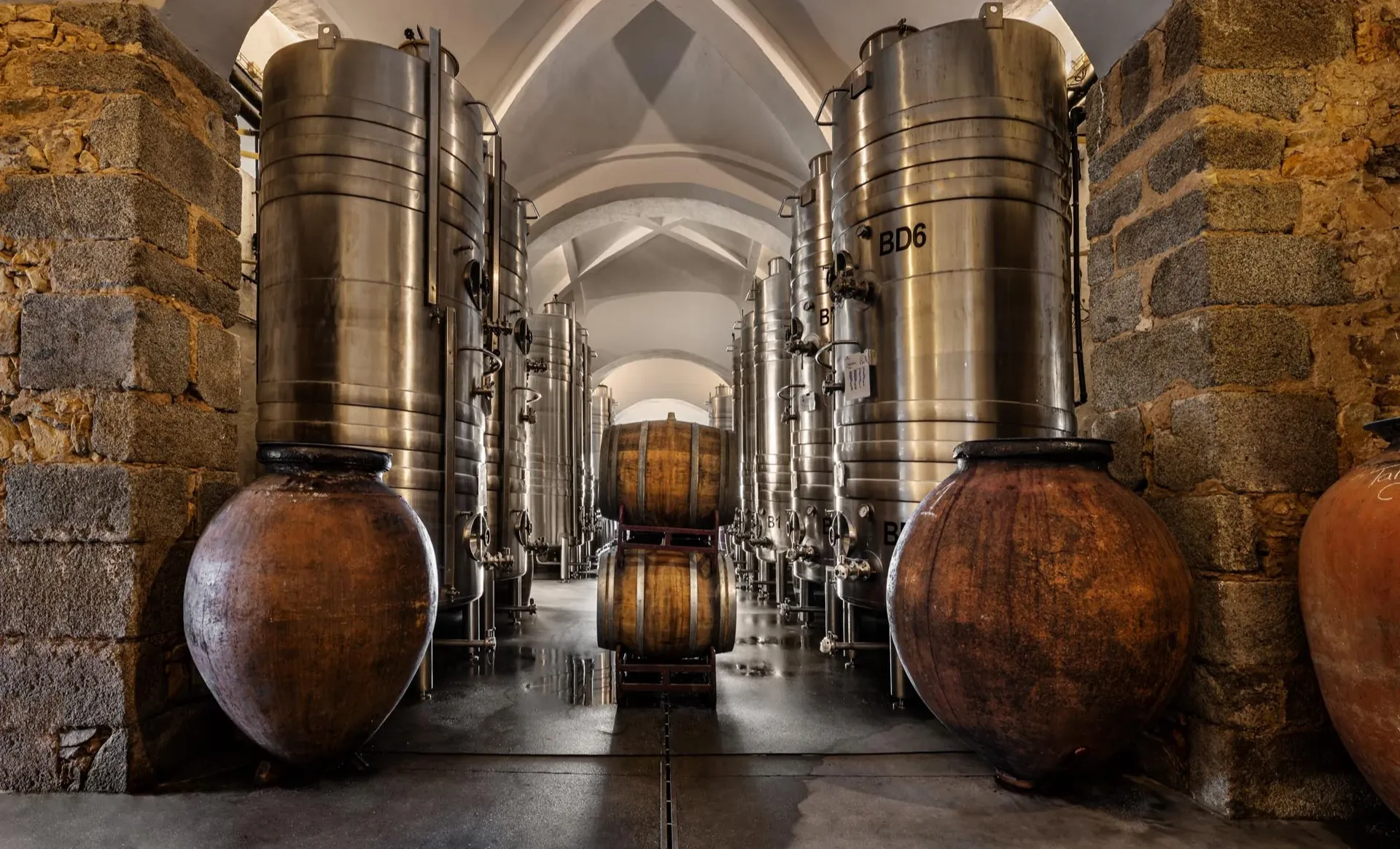
Branco de Talha by António Maçanita, the first white Talha bottled in the region
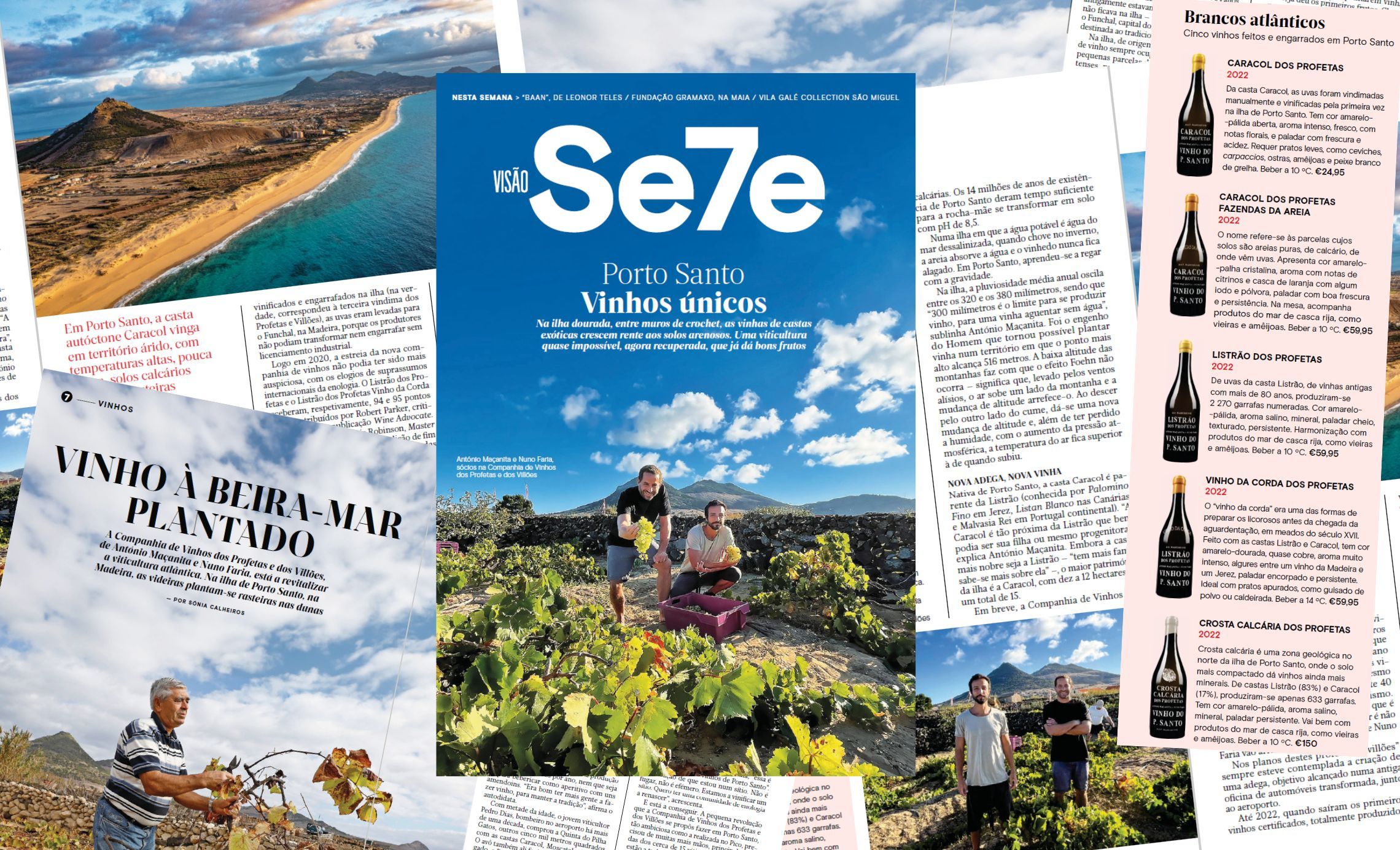
Visão Magazine: Porto Santo, unique wines | Article on Profetas e Villões