It was in 2010 that António Maçanita embarked on a quest to uncover a deeper Alentejo, one rooted in writings and collective memory. Today, the Talha wines of Alentejo constitute a wine category, a regulated method established by the Alentejo Commission, but it wasn't always so.
Before this "revolution," there was only one producer bottling Talha whites, with our own Talha White being the sole Alentejo wine permitted to use the term "Talha" and not undergo skin contact, but rather be fermented in an open container.
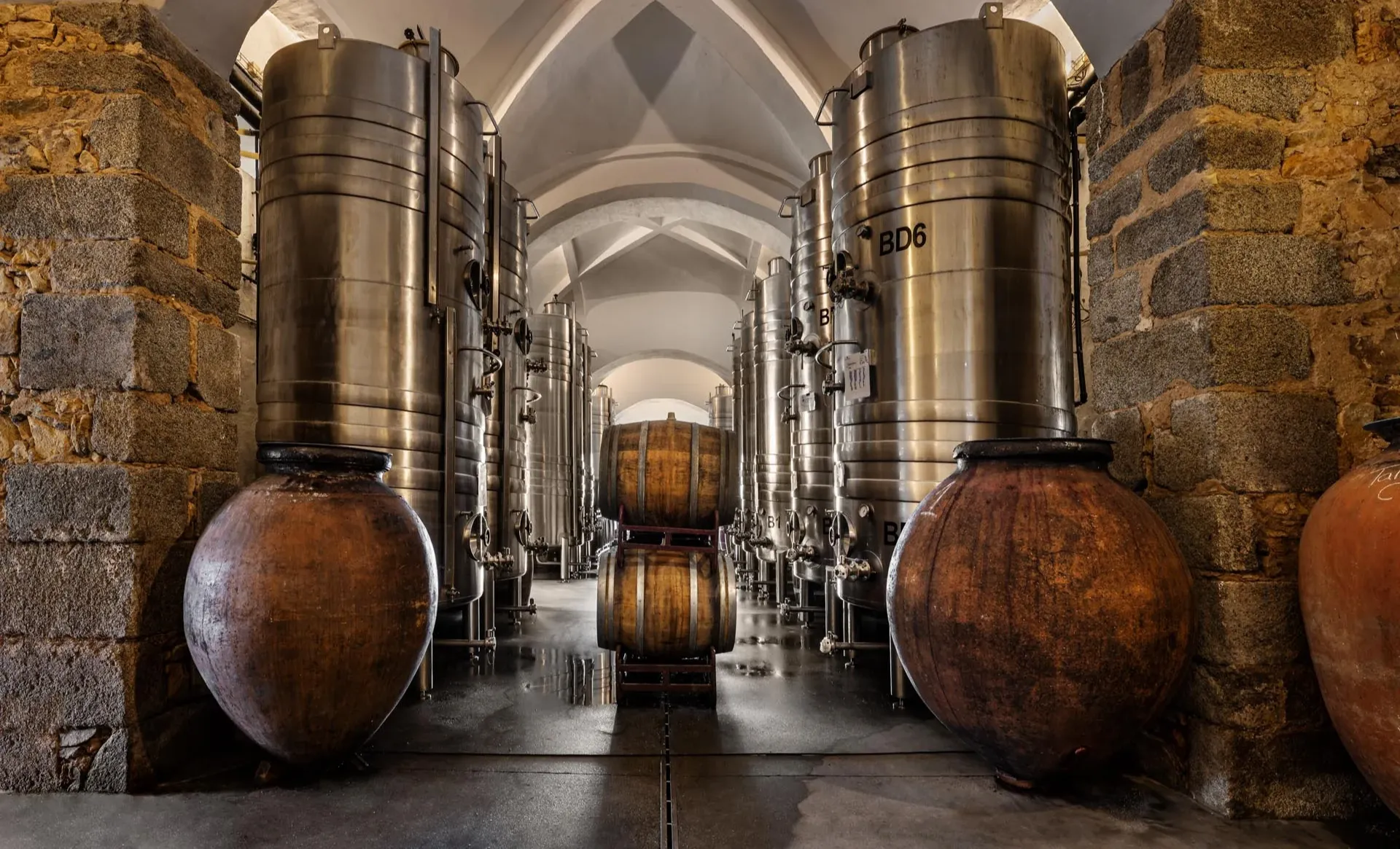
What was the original method of producing Talha wines? The Talha, a symbol of ancient Alentejo winemaking practices, stands as one of the last remnants of Roman influence in the millennia-old history of Alentejo wines. So, let's try to discover how wine was made "Roman-style" on the Peninsula.
We can glean this information from written sources, which are not abundant. For instance, Columela, a Roman historian born in Cádiz in the year 70 AD, seems to indicate that the process involves little more than pressing grapes, making it an "open container" method, with no mention of any type of maceration. Another source is archaeology, wherein the best-preserved example is the ruins of São Cucufate, which also suggest a "modern" winemaking approach. This includes a destemming room (where remnants of stems were found), a crushing room (with remnants of grape seeds), and the Talhas, known as "Doliea," which were buried to keep the must cool. Seeking further archaeological evidence, numerous examples scattered across the country reinforce the idea that the process involved extracting juice from the skins and fermenting it, making the open container method the prevalent approach to ancestral winemaking.
However, according to local producers who continued winemaking in Alentejo, the traditional method involves making a white wine where both the juice and the skins ferment together, similar to red wines. Who is correct?
To clarify, some documentation is available. In the late 19th century, a report by Ferreira Lata suggested that cellars were becoming less equipped, with many no longer having wine presses due to space constraints in people's homes. These presses were being replaced by a "ripadeira," which allowed the grapes to be placed directly into the Talha without crushing them in a wine press and then transferring the juice into the Talha. What we know is that in collective memory or tradition, as we prefer to call it, the skin contact method has persisted.
From a more original perspective, the open container method would be accurate. However, both methods are cultural practices and both deserve respect.
The Talha should serve as a tool to enhance the sense of place rather than mask it. In other words, vinifying in a Talha should somehow celebrate the soils of Alentejo, the ancient grape varieties, their origins, and we should sense that in a glass of wine, along with the aroma of the Talha, much like cooking in a wood-fired oven. This shouldn't overshadow the base ingredient.
Skin contact has given a distinctive character to the wines, more influenced by the method than by their place of origin, aligning the wines of Alentejo with similar wines from other regions around the world.
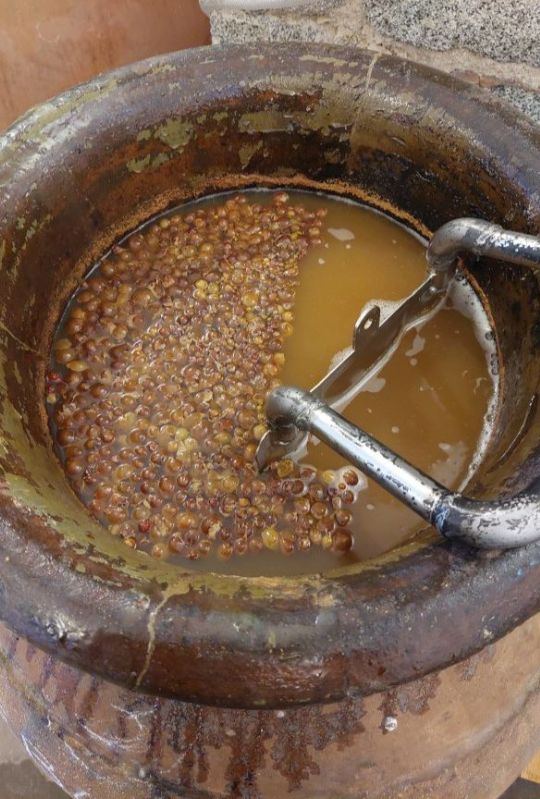
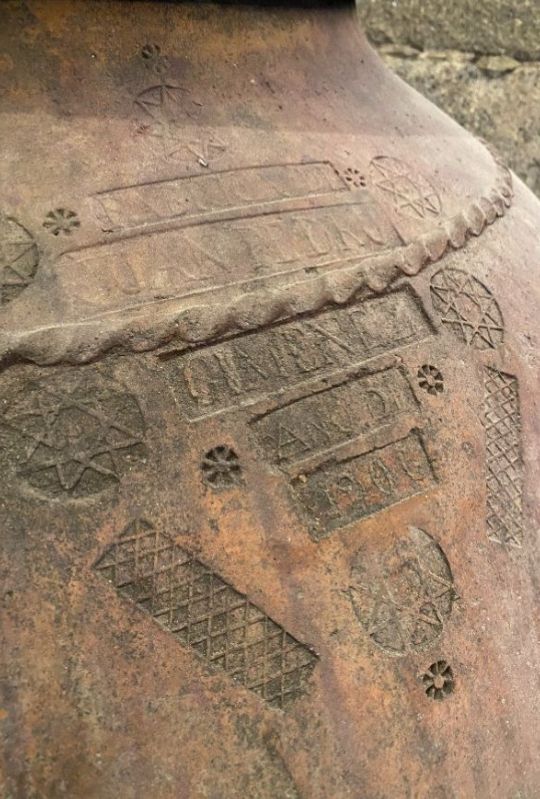
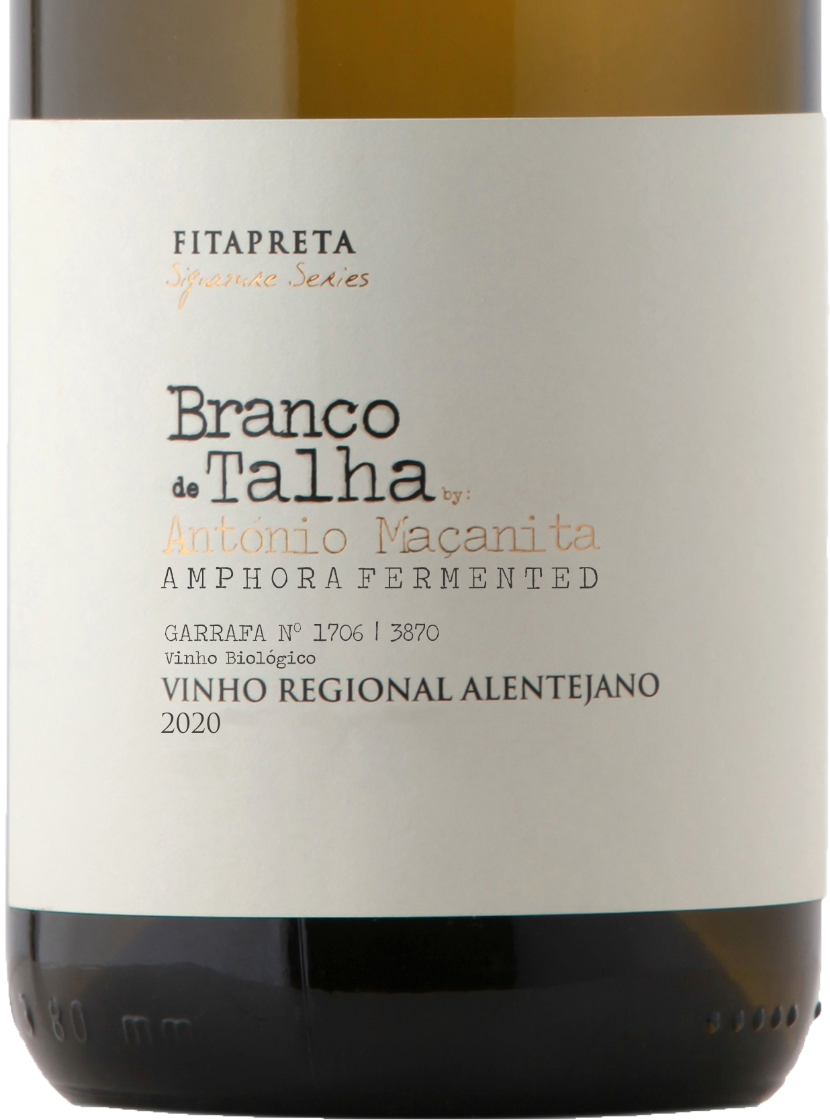 />
A distinct white, defined by the "talha" process, initially built upon the fruitiness and freshness of the grape varieties, with a second dimension dominated by earthy, almost chemical, "talha" notes. On the palate, there's a certain texture, always upheld by tension and acidity.
Related articles