Caracol is one of the traditional grape varieties of the island of Porto Santo. There are various stories and myths about its potential origin, such as that it was a certain "Mr. Caracol" who brought it here and planted it. Curiosity led António Maçanita to analyze the microsatellites, which show its enormous genetic proximity to the Listrão, differing by only 1 out of a total of 20, and it may have the same parent or be the parent of one of the other.
Regarding the name, research into old bibliography may also provide the reason for the name Caracol. Gaspar Frutuoso, in 1580, said: "There are many vineyards that give good grapes; many white snails are bred in them, so much so that, in parts, they cover the bunch of grapes so much that no berry appears".
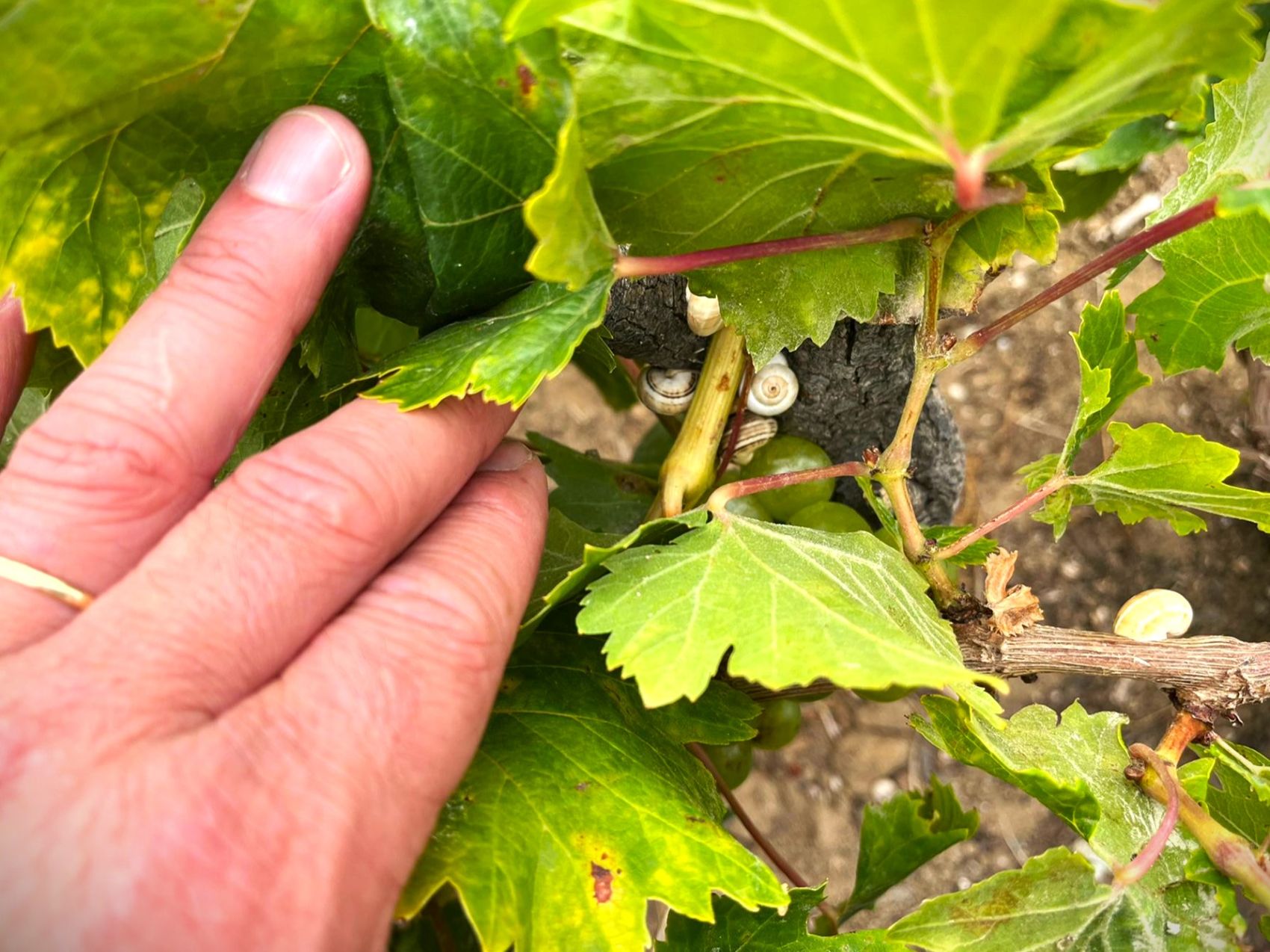
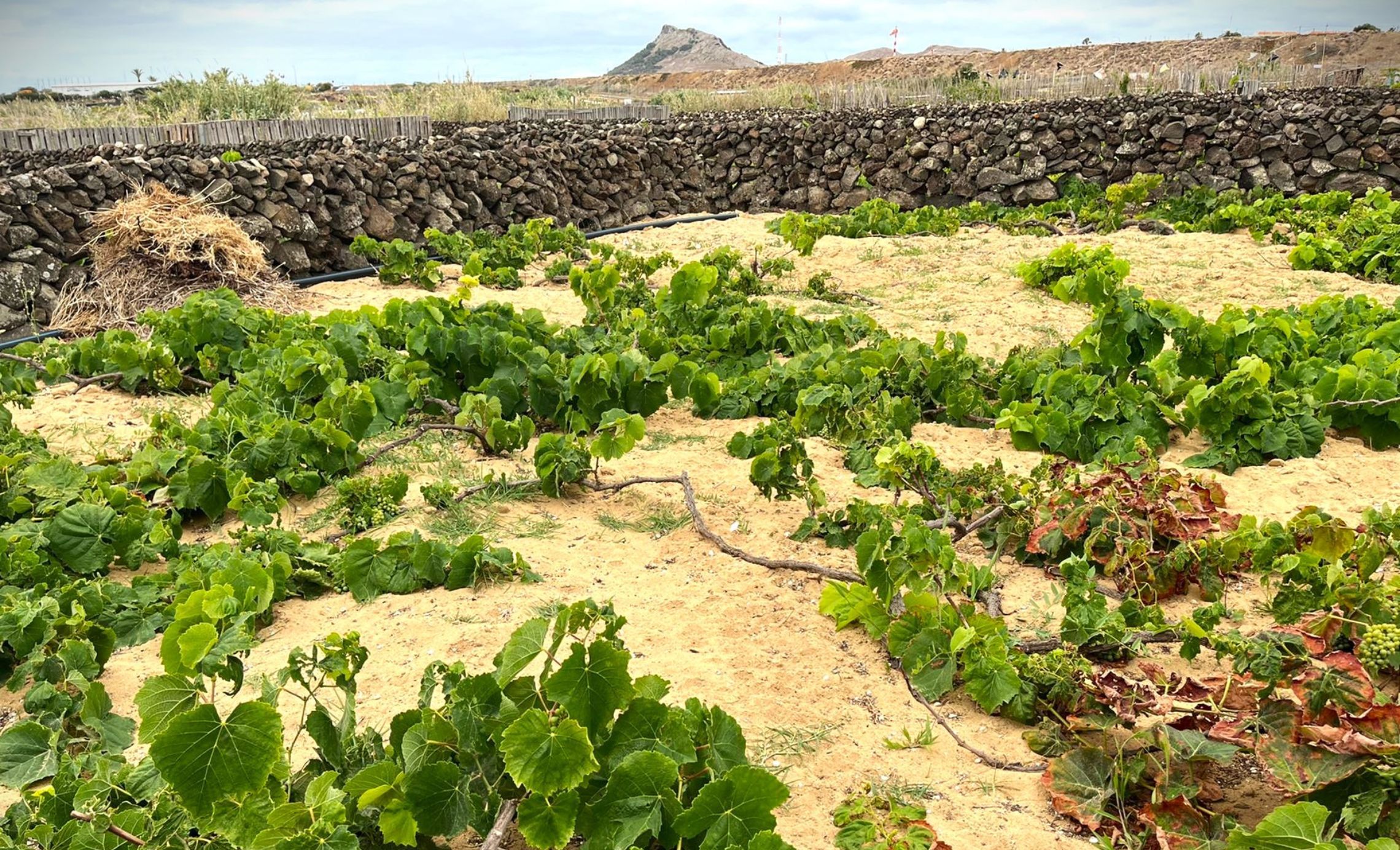
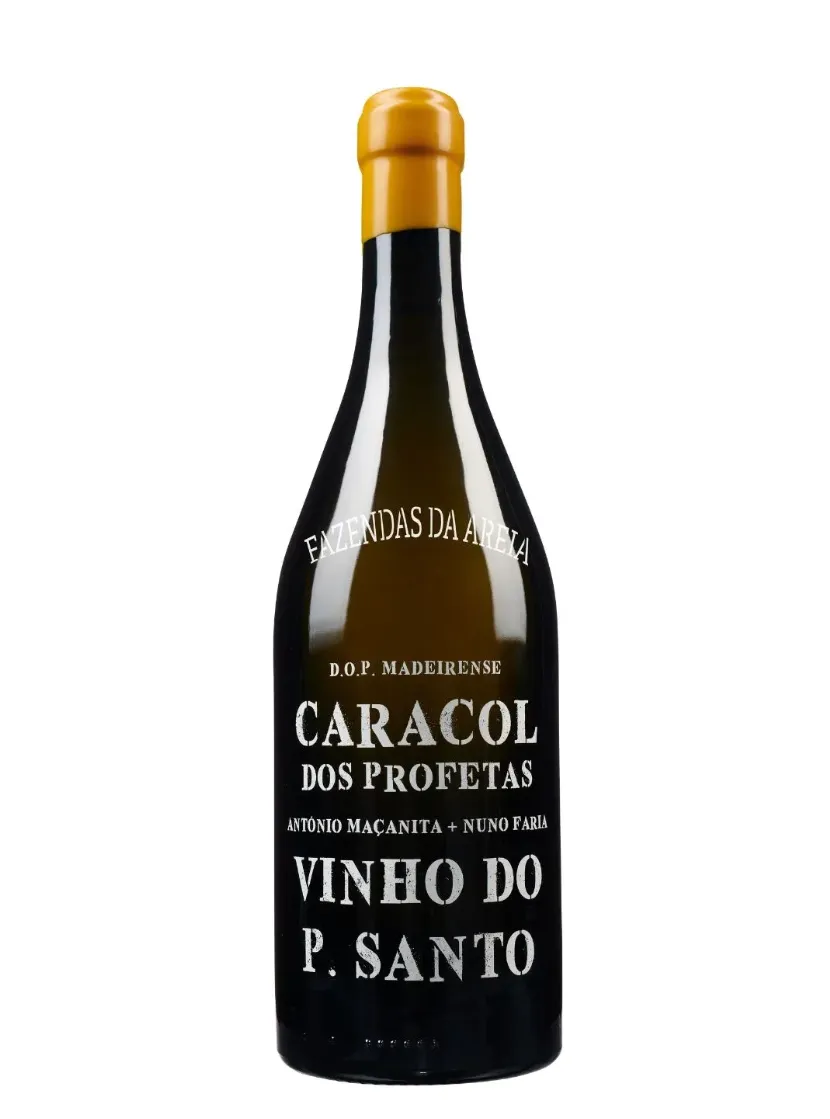
The name refers to plots whose soils are pure limestone sands, from which grapes with a different level of complexity and concentration come. "Fazenda" the term used locally to designate a place, small property, farm. "Areia" (sand) is the type of soil found on these farms, limestone sandstones that have accumulated over millions of years.
 />
Viticulture
Vineyard management: traditional, close to the ground, protected from strong winds by reeds or crochet walls.
Vineyard age: 40-80 years.
Soils: limestone with a sandy loam texture and pH>8.5.
Vinification
The grapes were harvested by hand and vinified for the first time on the island of Porto Santo. Tight selection in the vineyard, with some vines being harvested more than once, picking the ripest first and the rest in a second harvest. Direct pressing of the whole bunch into decanting tanks, with three fractions being separated, without any use of SO2 until the end of fermentation, in order to allow pre-oxidation of the must and fuller spontaneous fermentation. The musts fermented on their lees in 250L and 500L stainless steel vats and 228L barrels, where they were aged for a total of 11 months.
Production
2,567 numbered 0.75L bottles released in August 2023.
Related articles