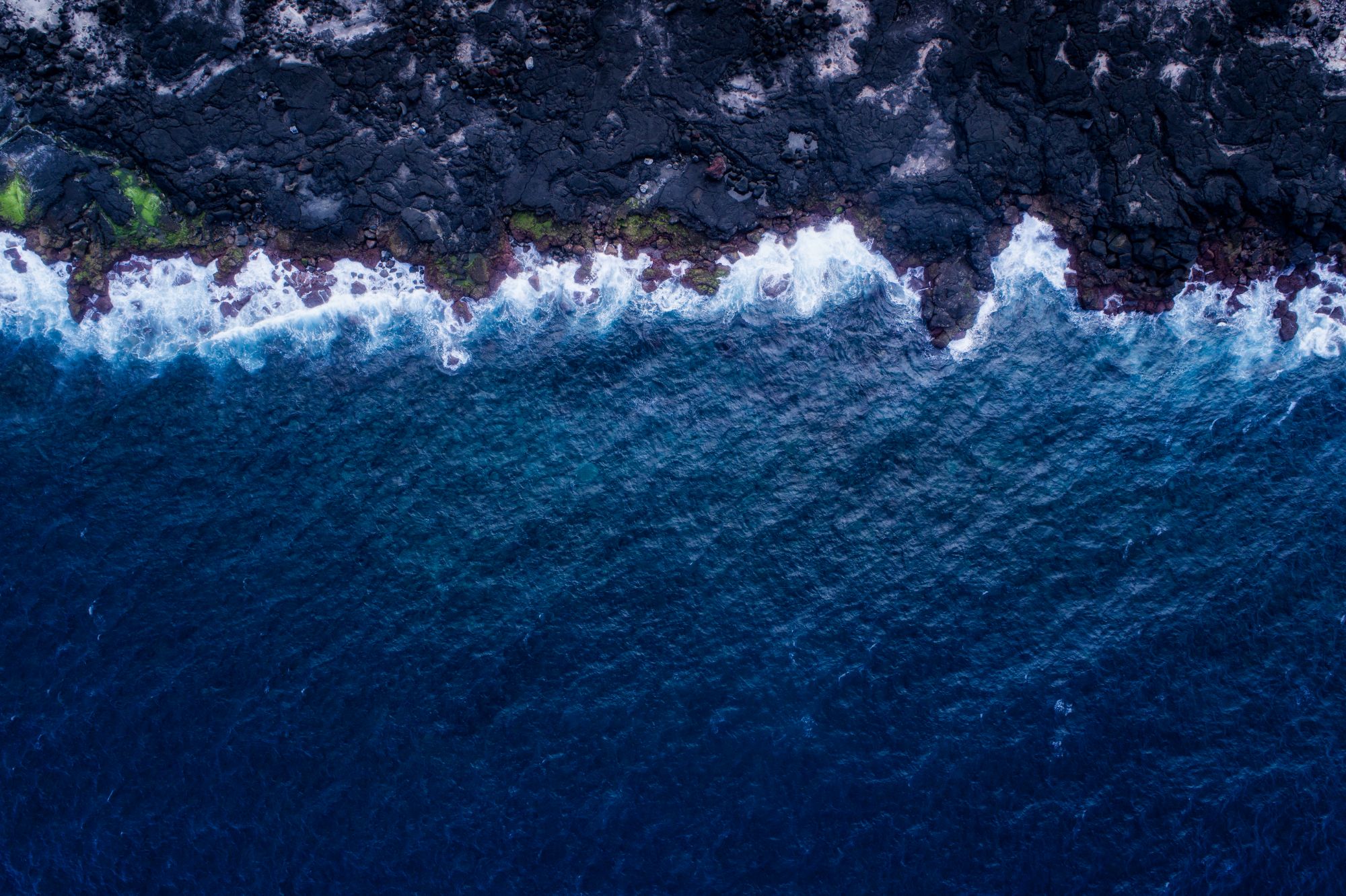
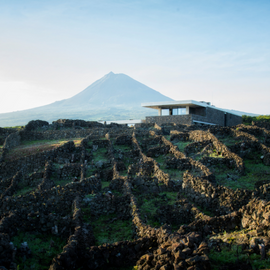
The great wines of the world happen in extreme conditions, in places where they are on the edge, as is the example of the Azores where we have the island's vineyards planted in the cracks in the rock, defying the definition of soil because there is no soil, it's rock - very close to the sea, where as you know salt water burns everything and in these extreme conditions the vines are not very productive and with time are no longer sustainable.
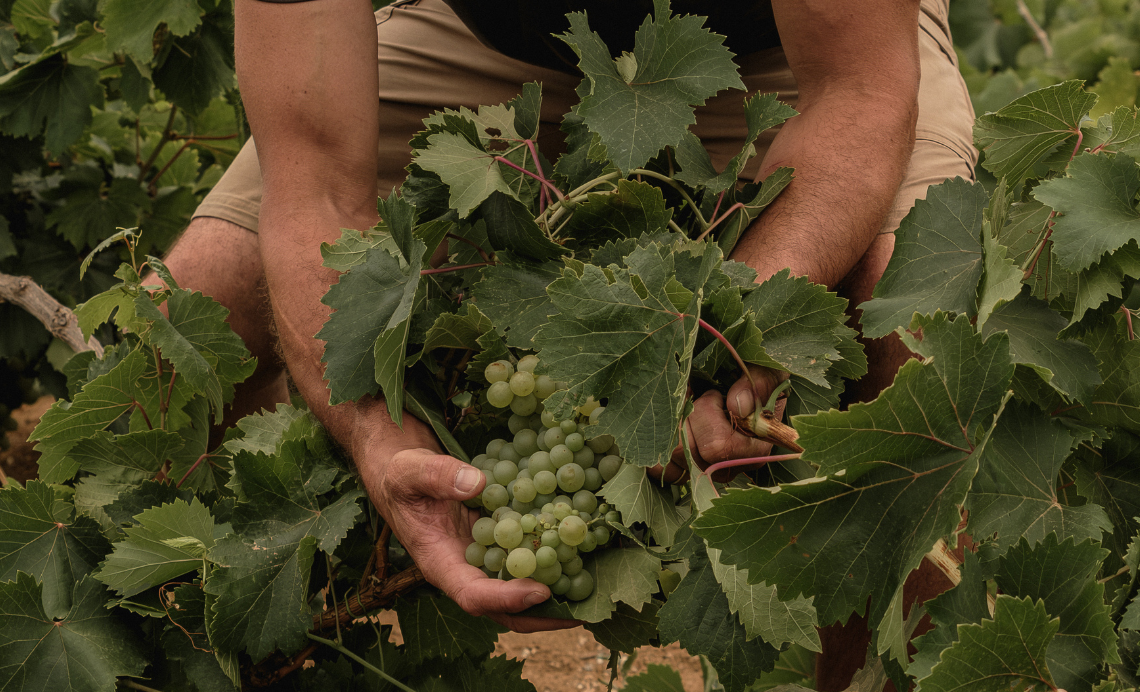
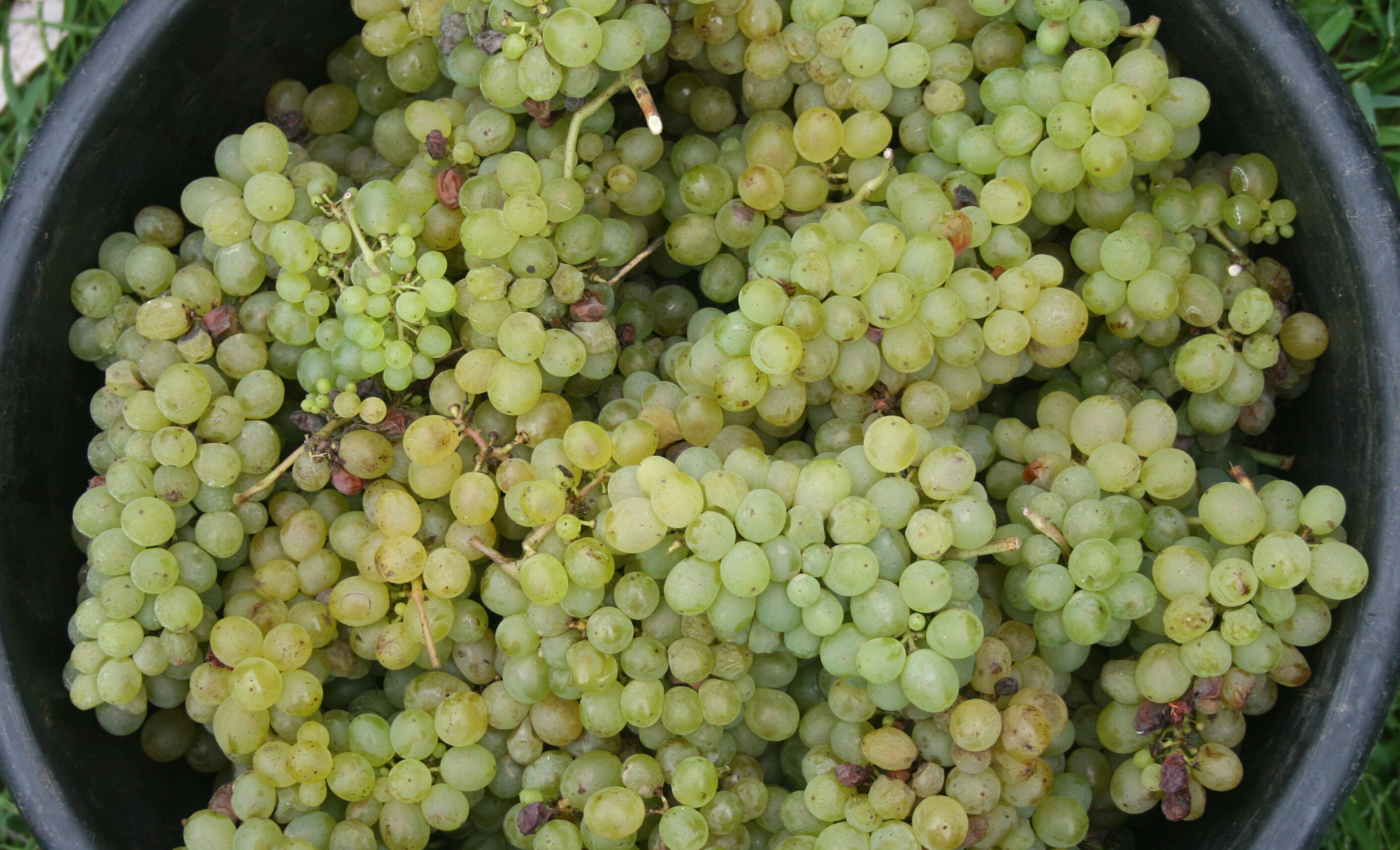
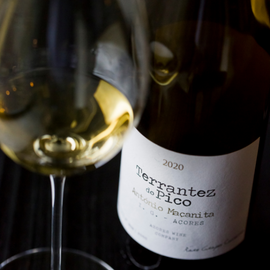
An example of a variety that was almost extinct is the case of Terrantez from Pico, which had less than 89 plants, where there was a great effort for the recovery of the same, where for many it was impossible because it was a variety that was unloved for having a great ease in catching diseases, ripened before the time and could rot, and just for an idea at the time (2015) the grape was around 0.70€ and today is around 4€.
The first planting was in 2015 and today there are 39 hectares, the price of the grape has skyrocketed and is one of the most expensive grapes in the Azores.
Terrantez do Pico is an indigenous grape variety exclusive to the Azores Islands. The last count of vines of this variety, outside the official services' trials, was less than 100 plants when António Maçanita decided to get involved in the recovery of this variety. Today it is gradually being replanted which gives hope. The Terrantez do Pico wine demonstrates the potential of this unique grape variety, in this "extreme" volcanic terroir, in a pure, mineral, and saline wine... hoping it will contaminate others to keep it alive.
A unique terroir in the world, in the middle of the Atlantic Ocean, at the base of the volcanic mountain of Pico, the vineyards are planted in the crevices of the rock, near the sea, where you can hear the "singing of the crab", because this is where there is more sun and heat. A proximity of sometimes a few meters that requires the vineyard to be protected by walls (corrals), from the strong and saline winds of the Atlantic.
Related articles
Douro Top to Bottom: does the altitude of the vineyards influence the wine?