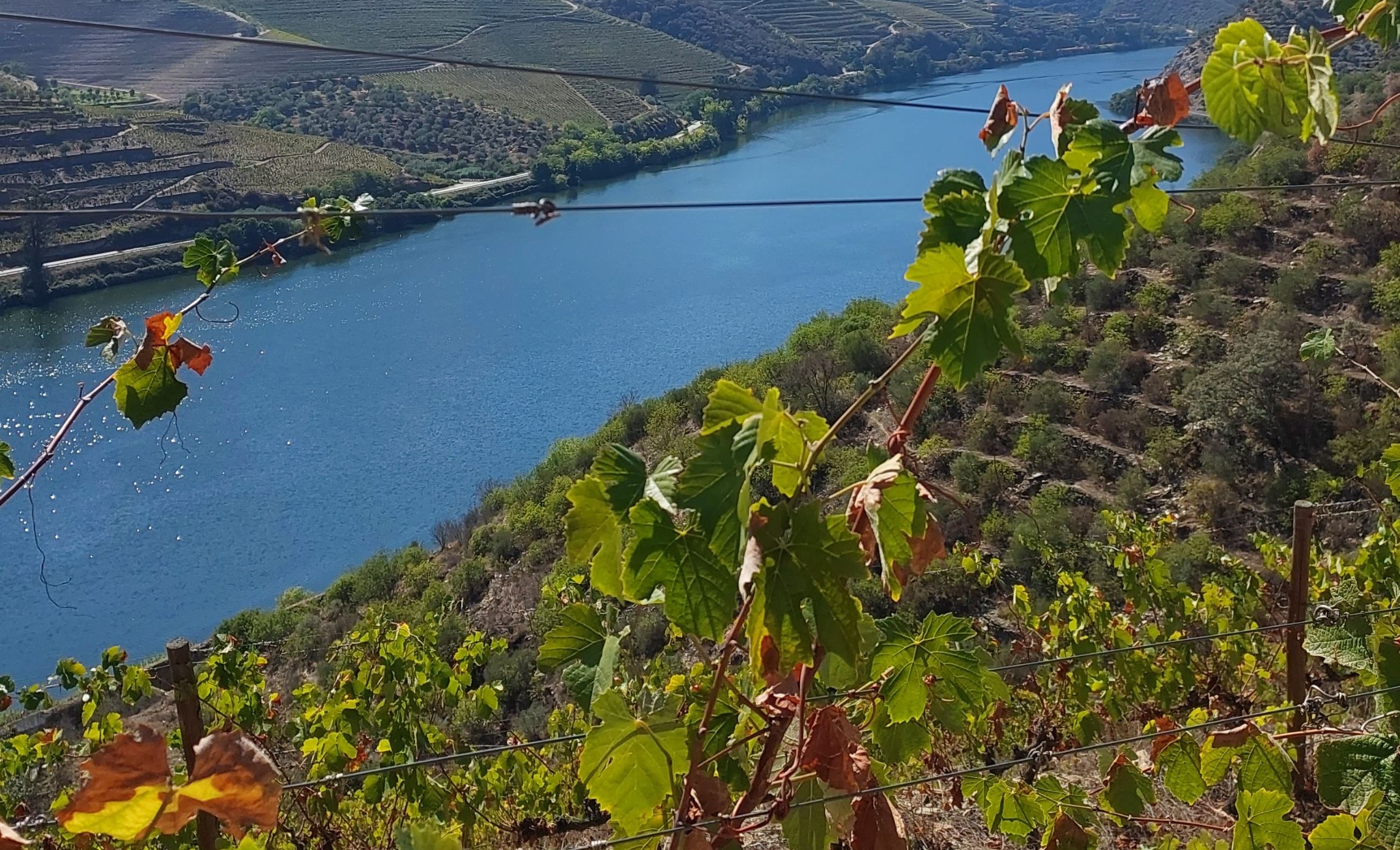
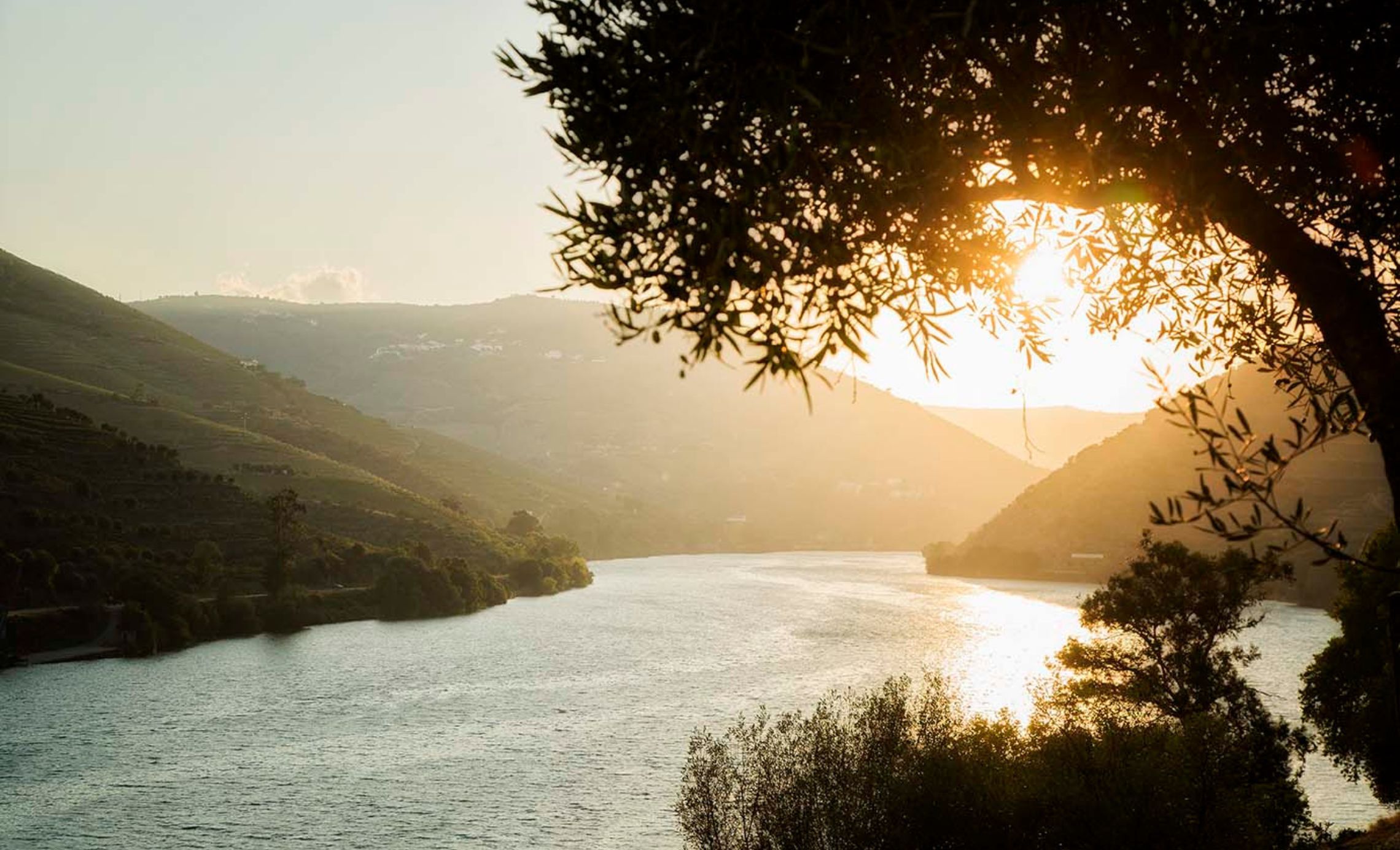
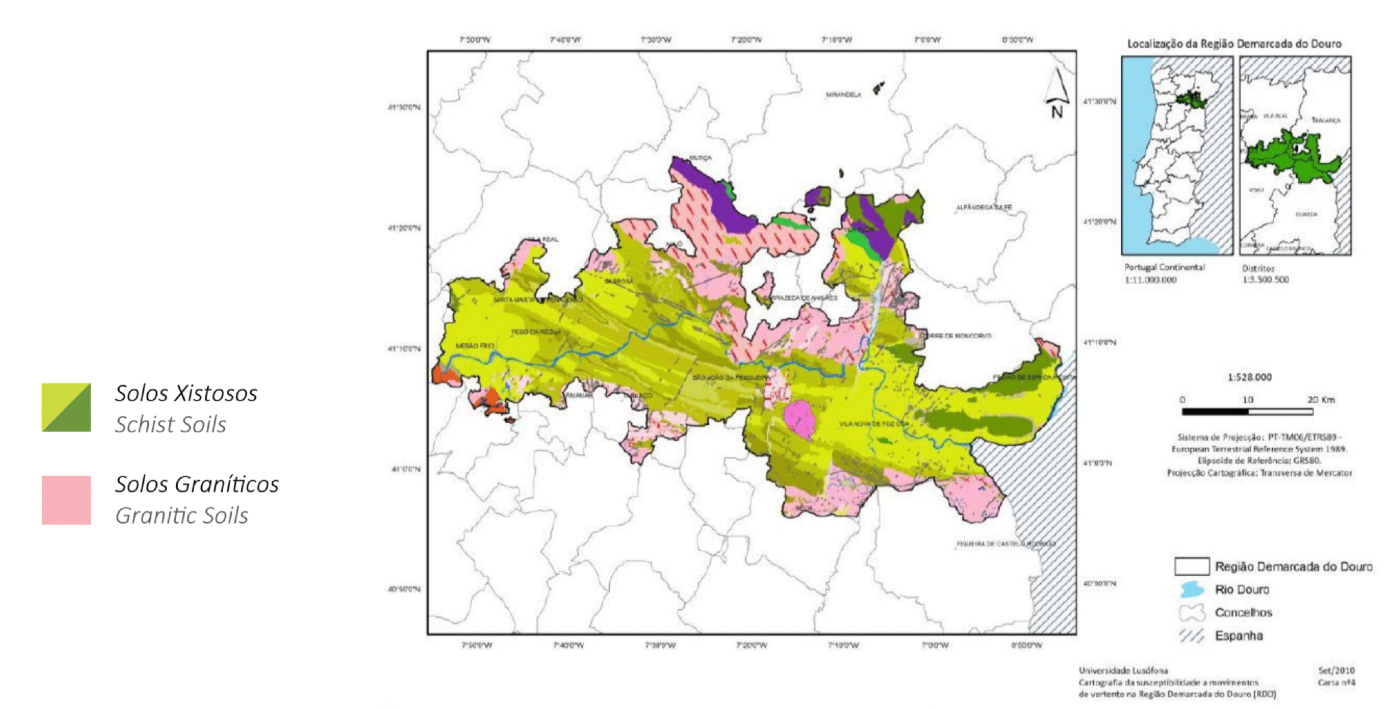
The complex geology of the Douro region is responsible for the diversity of soils found here. From schist to granite outcrops, the region is home to an impressive variety of soils. This geological diversity, combined with specific climatic and topographical factors, results in a diversity of wines with distinct characteristics from a single region.
Douro wines are concentrated and structured, rich in color and aromas and age nobly. They are the result of poor soils, reduced water availability, very harsh winters and summers with moderately high temperatures that lead to good ripening.
The schist massif, which occupies most of the vineyards on the slopes along the Douro river, is characterized by its ability to retain water and heat, so during the day it retains the heat which gradually dissipates during the night, thus reducing the daily thermal amplitudes in summer, allowing the grapes to gain more concentration.
Schist is a metamorphic rock made up of sheets (layers of sediment), very rich in nutrients.
Main characteristics:
- Metamorphic rock soils;
- Oldest in Portugal;
- High water retention capacity;
- Easily broken rock;
- Existing on the banks of the River Douro;
- Absorb and retain the sun's heat.
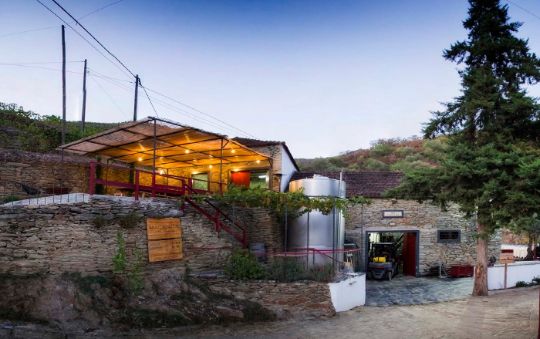
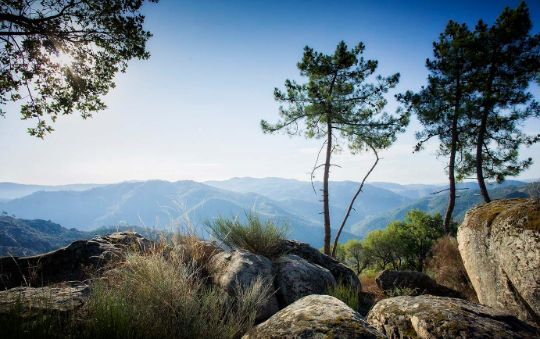
In addition to schists, granite soils are also found in higher areas and transitional soils. While schists are known for their ability to retain heat and water, granite soils tend to be more permeable and porous in texture, allowing for good air circulation and rapid drainage of rainwater. As a result, the wines have a pronounced minerality, fresher fruit notes and vibrant acidity, which complement and enhance the fruity flavors and structure of the wines.
Granite is a rock resulting from the solidification of magma at great depths.
Main characteristics:
- Soils of non-metamorphic magmatic rock;
- Composed of thousands of quartz, mica and feldspar;
- Hard, unbreakable rock;
- Low water retention capacity;
- Existing in regions of higher altitude and less proximity to the River Douro;
- Fresh soils.
Related articles
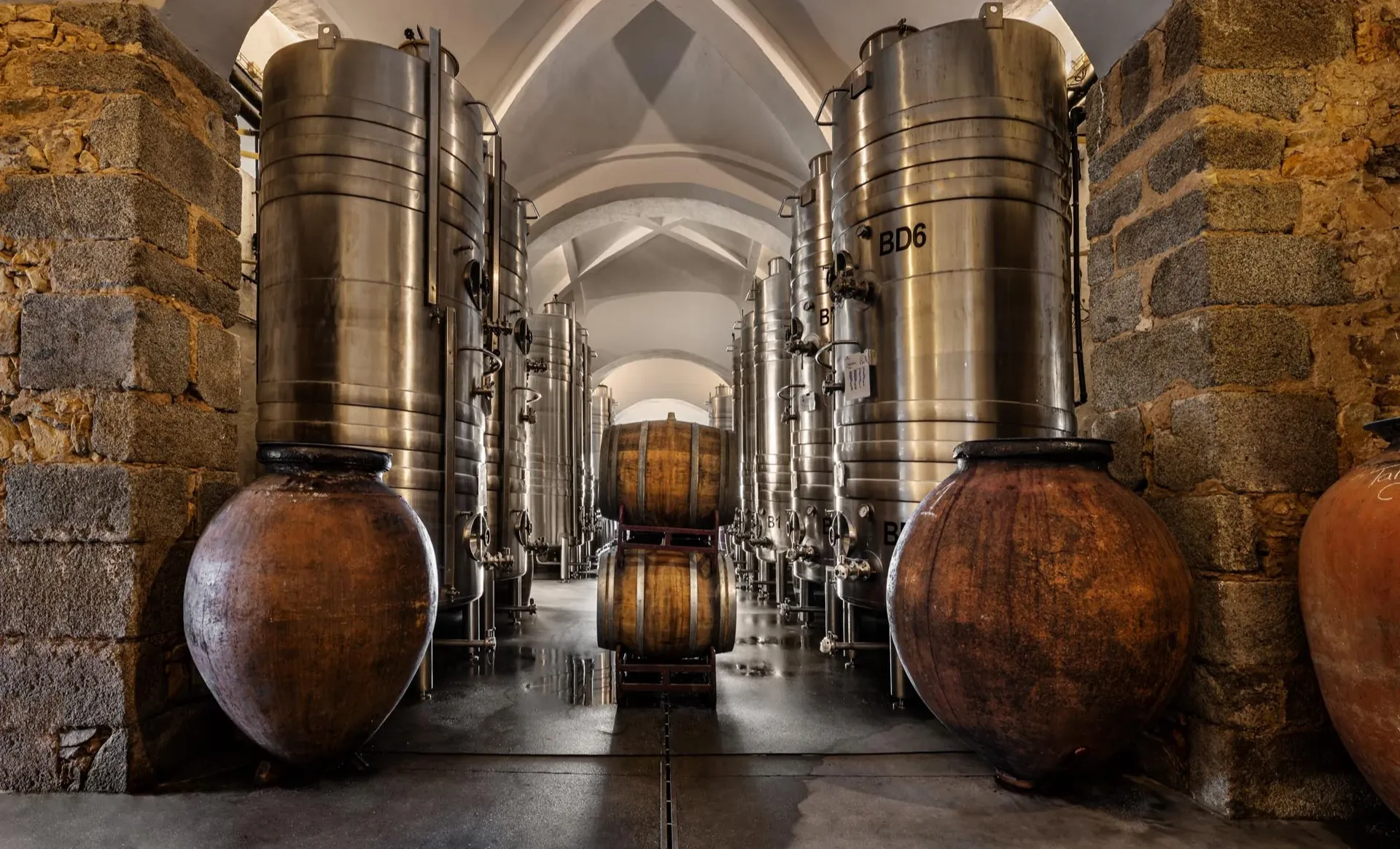
Branco de Talha by António Maçanita, the first white Talha bottled in the region