From florescent pink-fuchsia to Rosé-Gris (almost colorless), the palette of "Rosé", salmon color, onion skin and all the possible combinations in between. But why?
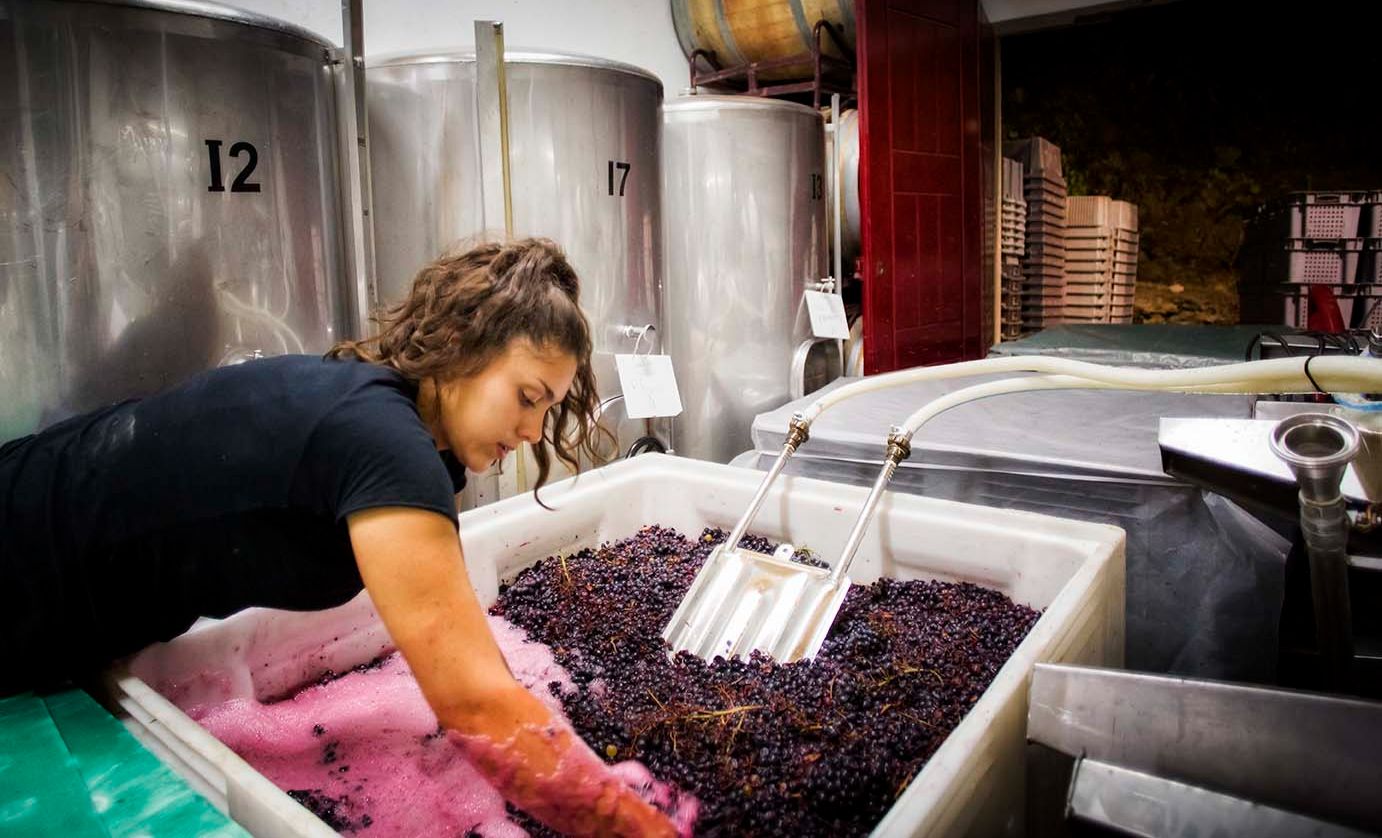
Color depends on two main factors: firstly, on the grape varieties from which they come, just as with red wines, i.e. grape varieties with more color give Rosés with more color. Secondly, it depends on how long the juice and the skins have been in contact. The method with the shortest contact time is the direct press, which squeezes only the juice, with no contact time with the skins, and these Rosés have a lighter shade, in the pale salmon-pink range. On the other hand, a Rosé with a fuchsia-pink hue will normally come from some time spent in contact with the skins (cold maceration), and then the juice is bled off when the color/aromas are as desired by the winemaker.
The color and profile of the Rosé will be as much a combination of the methodology, direct press or sangria, as the grape varieties that give rise to them.
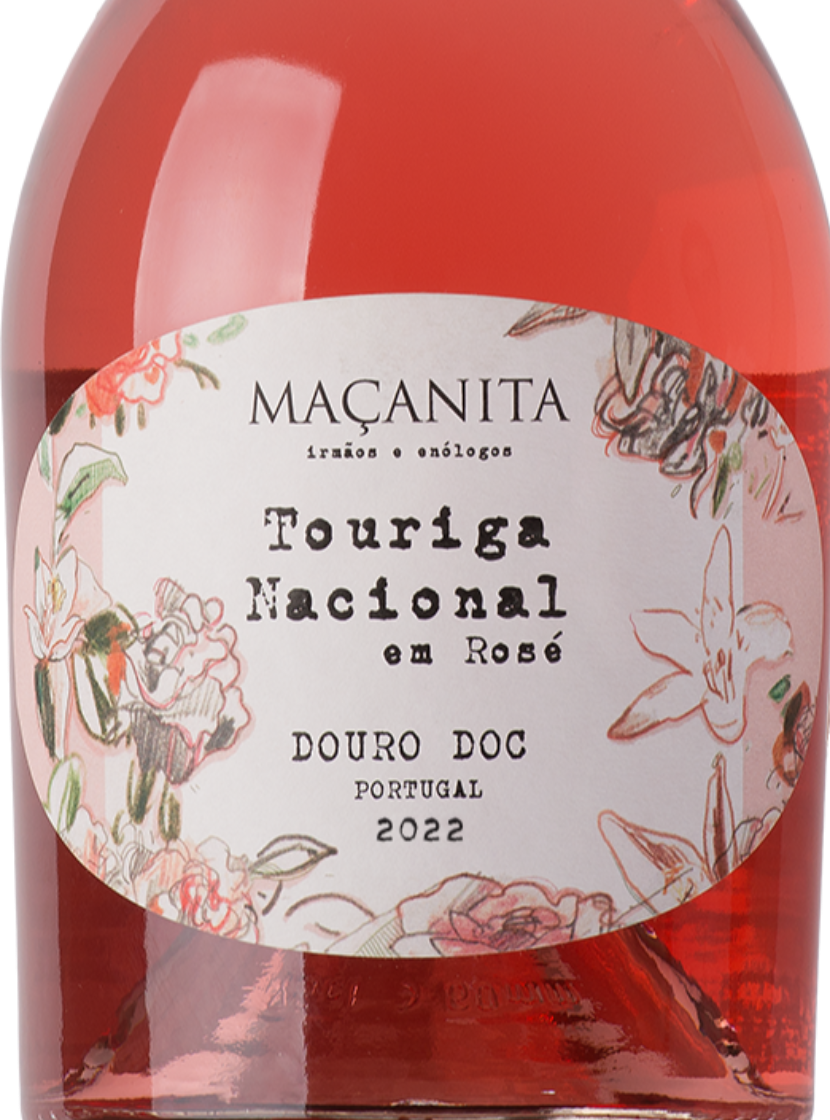 />
Our Touriga Nacional em Rosé is one of the great discoveries of Adega Maçanita's oenology. Initially, the Rosé produced was just a by-product created from the bleeding of the red grapes, to concentrate the red wines in years of heavy rain at harvest time. In 2015, only the juice of the Touriga Nacional grape variety was bled, and when tasting this Rosé you could feel the fresh grapes from the vineyards. Today the philosophy is the same, light bleeding of the red grapes from the Baixo Corgo at 700m. Ideal for fish dishes, seafood, salads and white meat dishes.
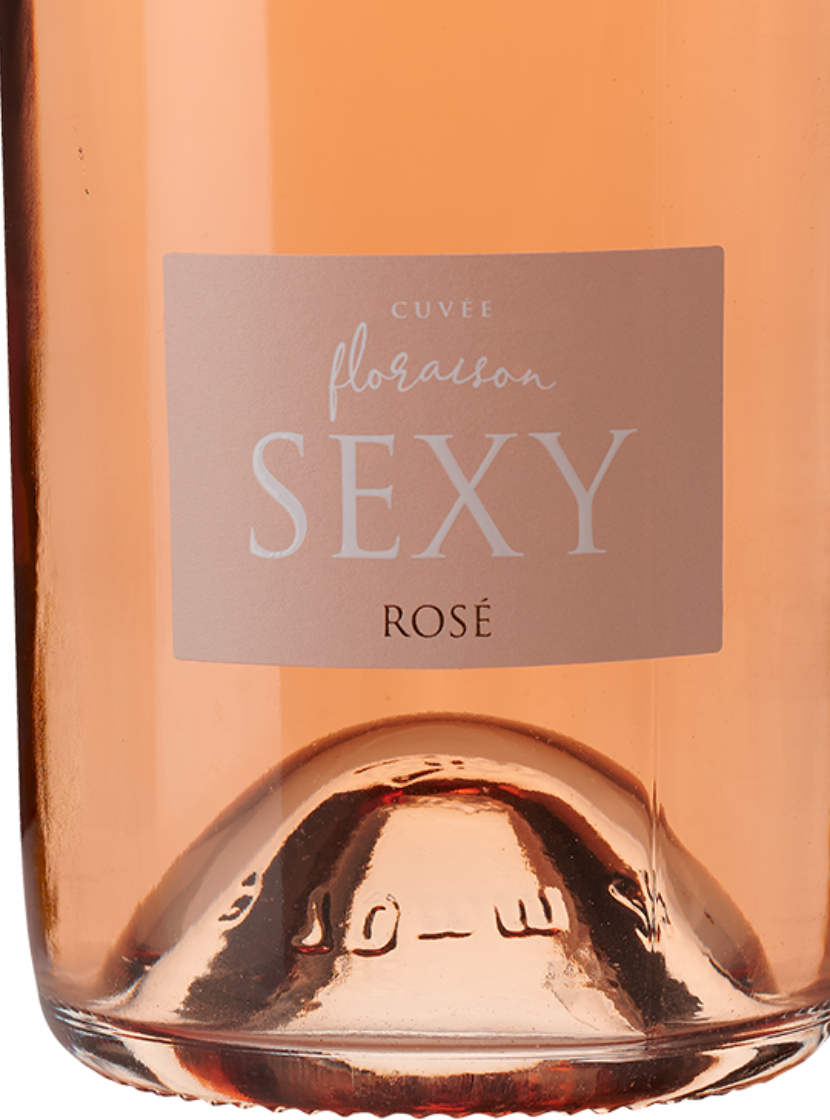 />
Sexy Rosé "Floraison" is a wine resulting from the natural fermentation of the Touriga Nacional, Aragonez and Castelão grape varieties.
The grapes are harvested by hand at night to ensure they are fresh, followed by gentle crushing into a gravity tank (the grapes never touch the pumps) with an open spout (open valve). Then natural cold decanting, without any additives. Fermentation at controlled temperature in stainless steel vats without any barrels (unoaked). Perfect for Indian, Thai and sushi food.
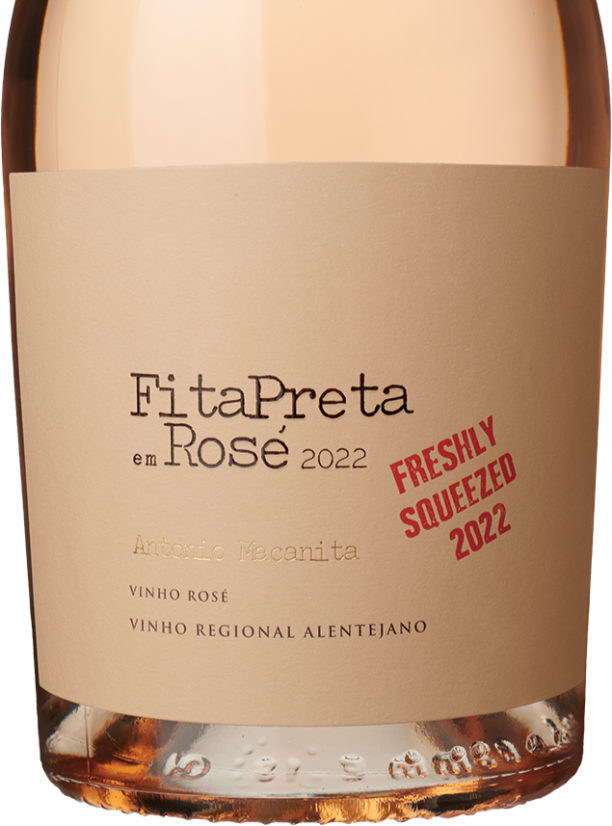 />
Our Fitapreta in Rosé "freshly crushed" is a Rosé that explores the purity of fresh fruit from the indigenous grape varieties: Castelão, Touriga Nacional and Aragonês. It's fine, fresh and showcases the best Rosé of each vintage.
100% sangria, the grapes arrive fresh at the winery, harvested by hand at night, followed by gentle crushing into open-top gravity tanks. Decanting is done naturally cold, without any additives. Spontaneous fermentation in stainless steel vats without any barrels (unoaked). Due to its texture and freshness, it works with light dishes, fish and seafood, and Asian food such as sushi and Indian.
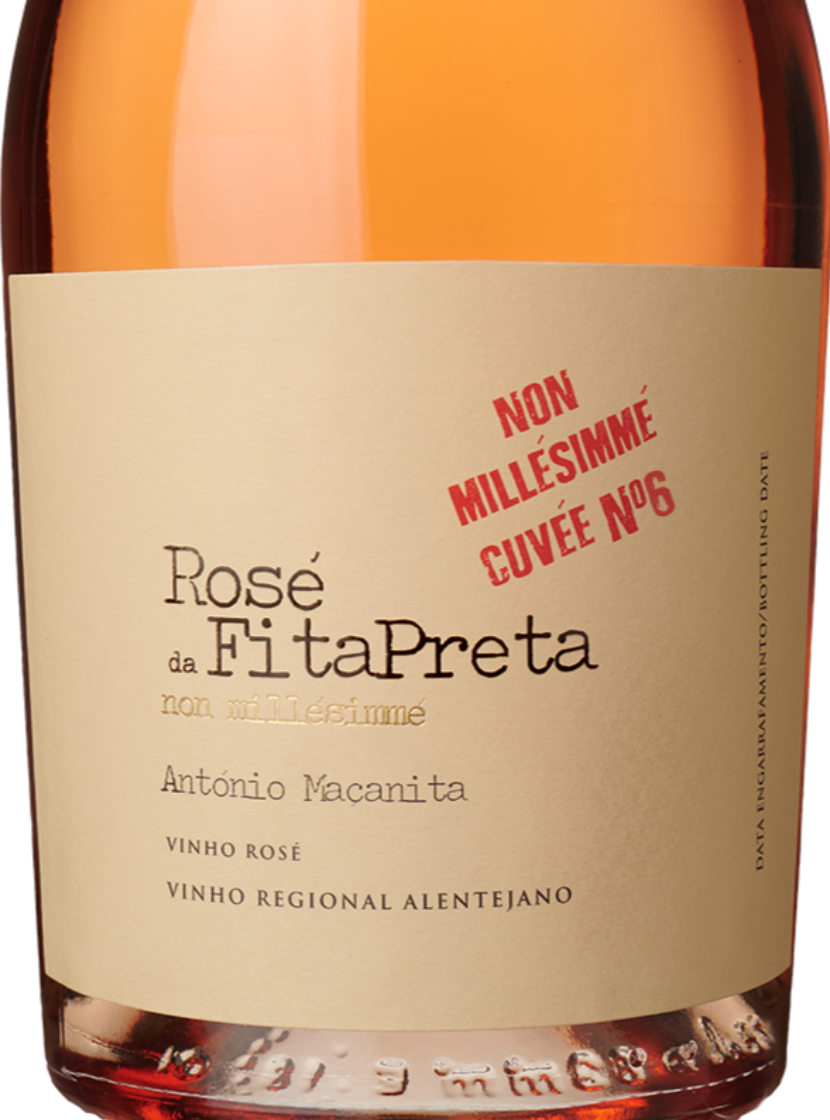 />
An "undated" Rosé that combines the freshness of younger vintages with the complexity of ageing on the lees that only older vintages can give. It's fine and complex, without ever ceasing to be fresh and simple, as a great Rosé should be.
Manual harvesting at night, followed by gentle crushing into gravity tanks (the grapes never touch the pumps), with an open spout. Then natural cold decanting, without any additives. Spontaneous fermentation in stainless steel vats without any barrels (unoaked). 55% sangria and 45% direct press. Perfect for Indian, Thai and sushi food.
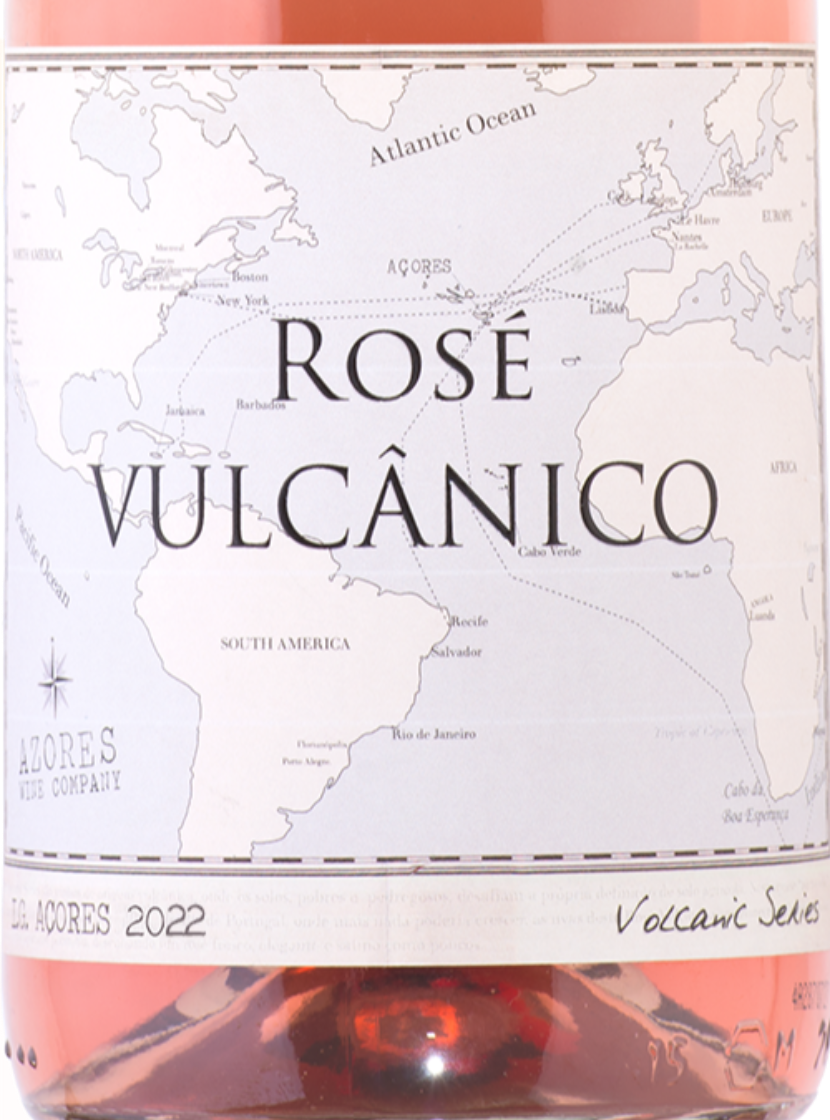 />
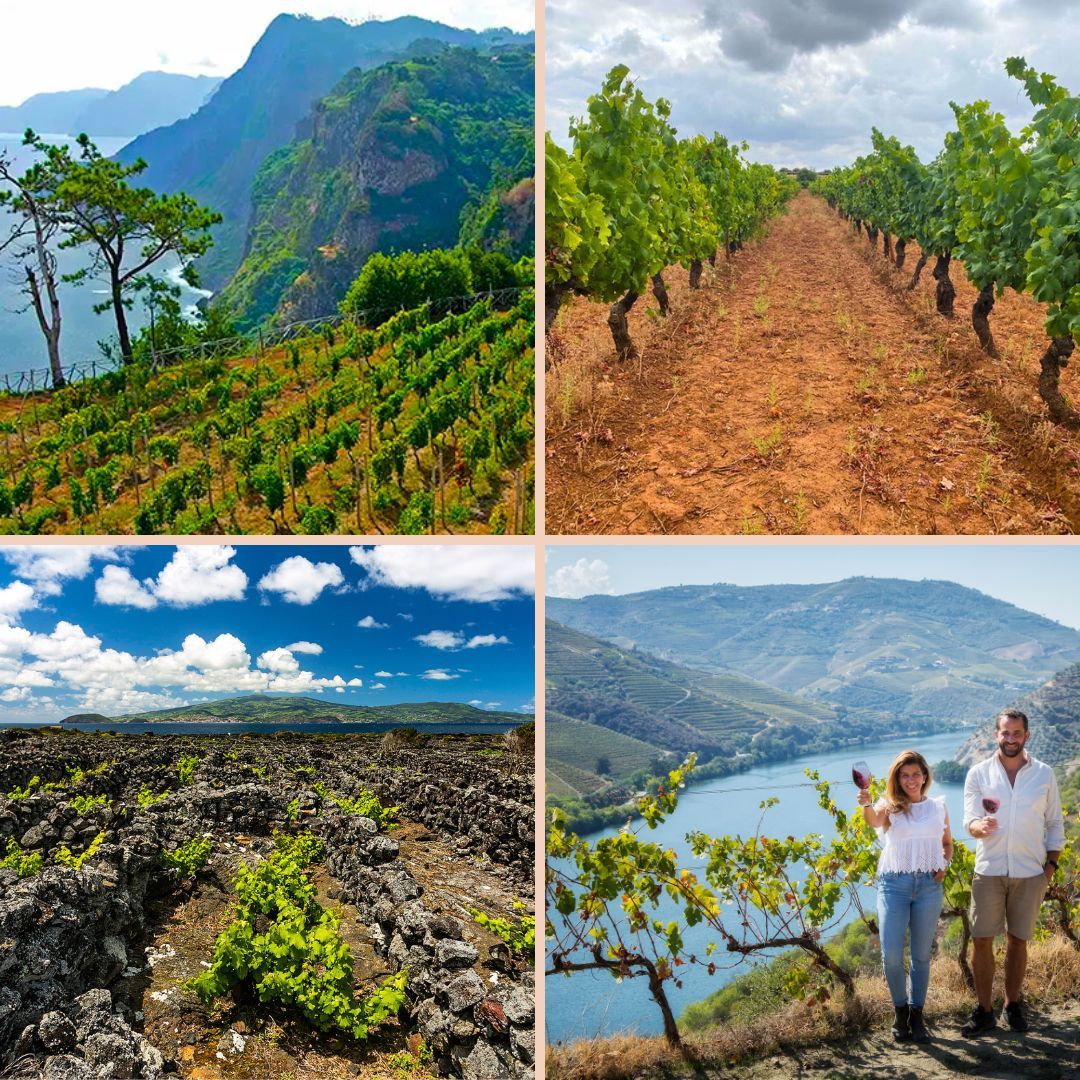
On the almost "mother rock", in the middle of the Atlantic and at the base of the largest mountain in Portugal, where nothing else could grow, the grapes of this Rosé Vulcânico have ripened as long as the brave Azorean climate has allowed.
The bunches are carefully selected on a sorting table and then the grapes are gently crushed and transported to the fermentation vats without the aid of pumps. Here they macerate for 3 to 6 hours at a low temperature and the resulting sangria ferments spontaneously at 12ºC in order to maintain its full aromatic potential. An ideal partner for fish dishes, seafood and salads. It has volume and structure for white meat dishes.
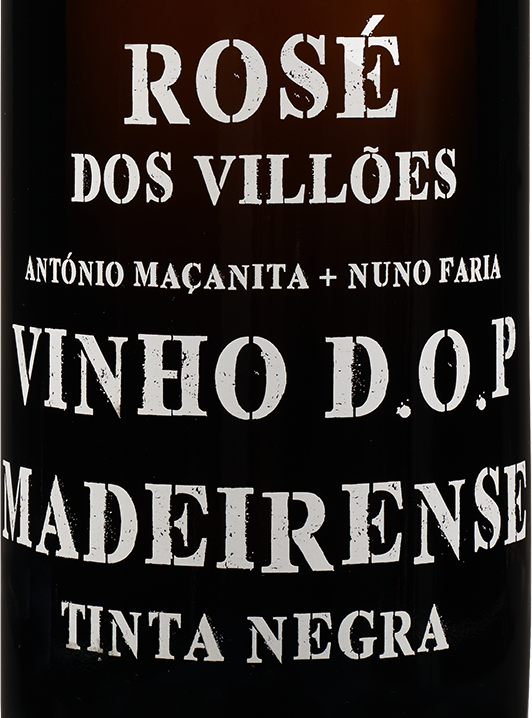 />
This Rosé is made from the Tinta Negra grape variety. The Tinta Negra grape variety is part of the ancient winemaking of the Madeiran islands and is still the basis for the wines that made this island famous. Its role in the past seems to have been to "color" the white wines and give them a certain golden appearance that was appreciated at the time.
The grapes were harvested by hand, transported in 35kg boxes and sorted on a sorting table. Destemming without crushing followed by pressing. Decanting after 24 hours and fermentation in stainless steel at 14-16ºC. Aged on the lees for 6 months. Ideal partner for fish dishes, seafood and salads.
Related articles