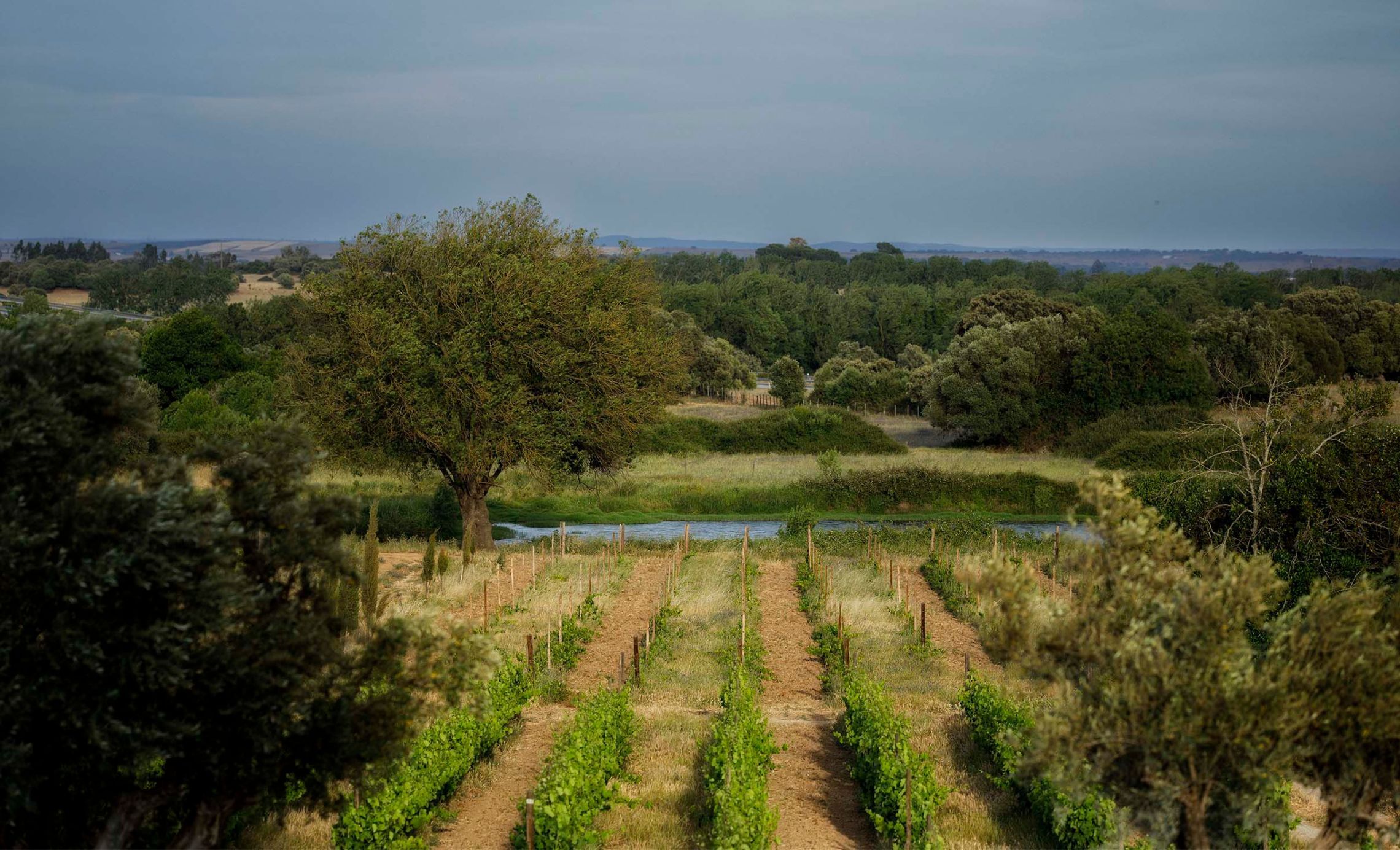
It is not yet possible to determine with historical accuracy when and who introduced the cultivation of vines and the production of wine in the Alentejo. What is known is that when the Romans arrived in southern Portugal, in the area that is now known as the Alentejo, viticulture and winemaking were already part of the local population's customs and traditions.
The Alentejo was known as the Land of Bread (cereal) and it was near the villages and communities, in small plots by the water, that the vegetable gardens were first planted and then the vineyards. The books show that in these places where vines were planted in the Alentejo, some of the most emblematic wines are named after streams or are close to one, leaving the rest of the land for cereals, as the growth cycle is coordinated with the rainfall.
The Romans, with their specialized knowledge of agricultural techniques, allowed the Alentejo wine-growing area to expand. It is even probable, looking at existing historical records, that Alentejo wine may have been the first Portuguese wine to be exported to Rome.
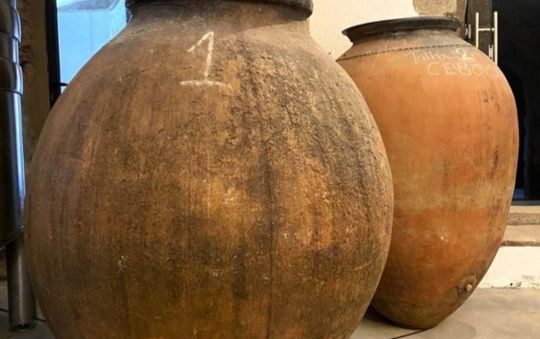
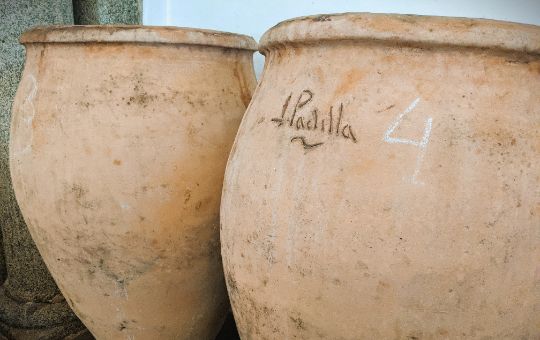
The influence of this era was so decisive for the development of viticulture in the region that, to this day, we can see the effects of the Roman passage. The most visible is the clay carving (amphora), a common practice created by the Romans in the Alentejo, which is still used today for the fermentation process.
After the foundation of the Kingdom of Portugal and thanks to the Portuguese Crown and the new religious orders, winemaking increased in the Alentejo. In the 16th century, vineyards flourished like never before, giving rise to the acclaimed wines of Évora, such as "Peramanca" and "Enxarrama", as well as the white wines of Beja and the clarets of Alvito, Viana and Vila de Frades. In the mid-17th century, Alentejo wines, along with those from Beira and Estremadura, enjoyed fame and prestige in Portugal.
Unfortunately, this period was short-lived. With a view to protecting the Douro, to the detriment of other regions, the Royal General Company for the Agriculture of Douro Wines was created in the 18th century by the Marquis of Pombal. The result was the destruction of vineyards in the rest of the country.
 />
The crisis lasted until the mid-19th century, when the Alentejo was revitalized with a recovery campaign to cultivate fertile land and secure a new generation of farmers on that land.
Thus, a new golden age for Alentejo wine was born.
At the beginning of the 20th century, the Phylloxera shock was followed by the First World War and successive recessions. Added to all this, the Estado Novo's great campaign to plant cereals instead of vines, promoting the cultivation of wheat to make the Alentejo the " Barn of Portugal", contributed to the vineyards being gradually reduced to the edges of wheat fields, and within a few years Alentejo wine had already disappeared from the market.
It was under the patronage of the National Wine Board, at the end of the 1940s, that viticulture in the Alentejo took its first steps towards recovery. Entrepreneurs bet on the recovery of one of the last treasures of old Europe and the market reacted favorably to Alentejo wines.
Related articles