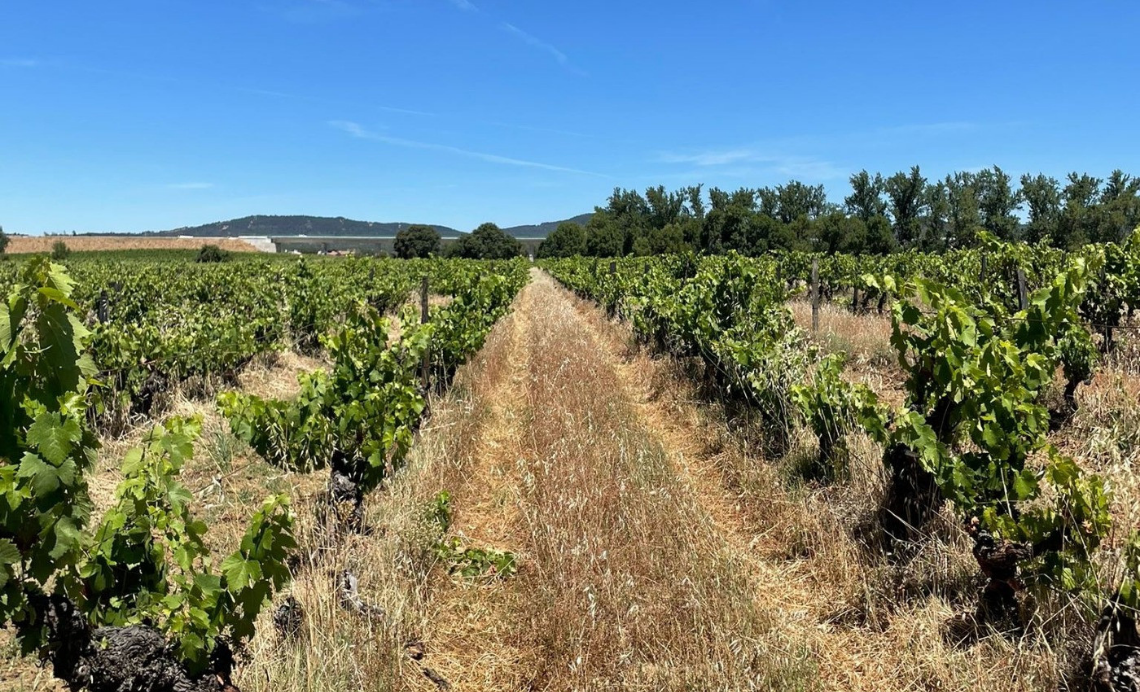
Fitapreta is the latest to be certified by the Alentejo Wines Sustainability Program. The vineyard is dry-farmed and in the middle of agroforestry. It only uses as much water as is strictly necessary.
Ana Isabel Pereira (text) and Matilde Fieschi (photo)
"It's only when you get close to the beautiful 14th century palace, which António Maçanita and Sandra Sárria restored in 2017, that you see the vines, integrated into a landscape where there are many trees and shrubs, the typical stone piles of the Alentejo... This is agroforestry, a system that is now considered a recipe for the survival of agriculture, as it boosts the resilience of crops, particularly vines."
- Ana Isabel Pereira
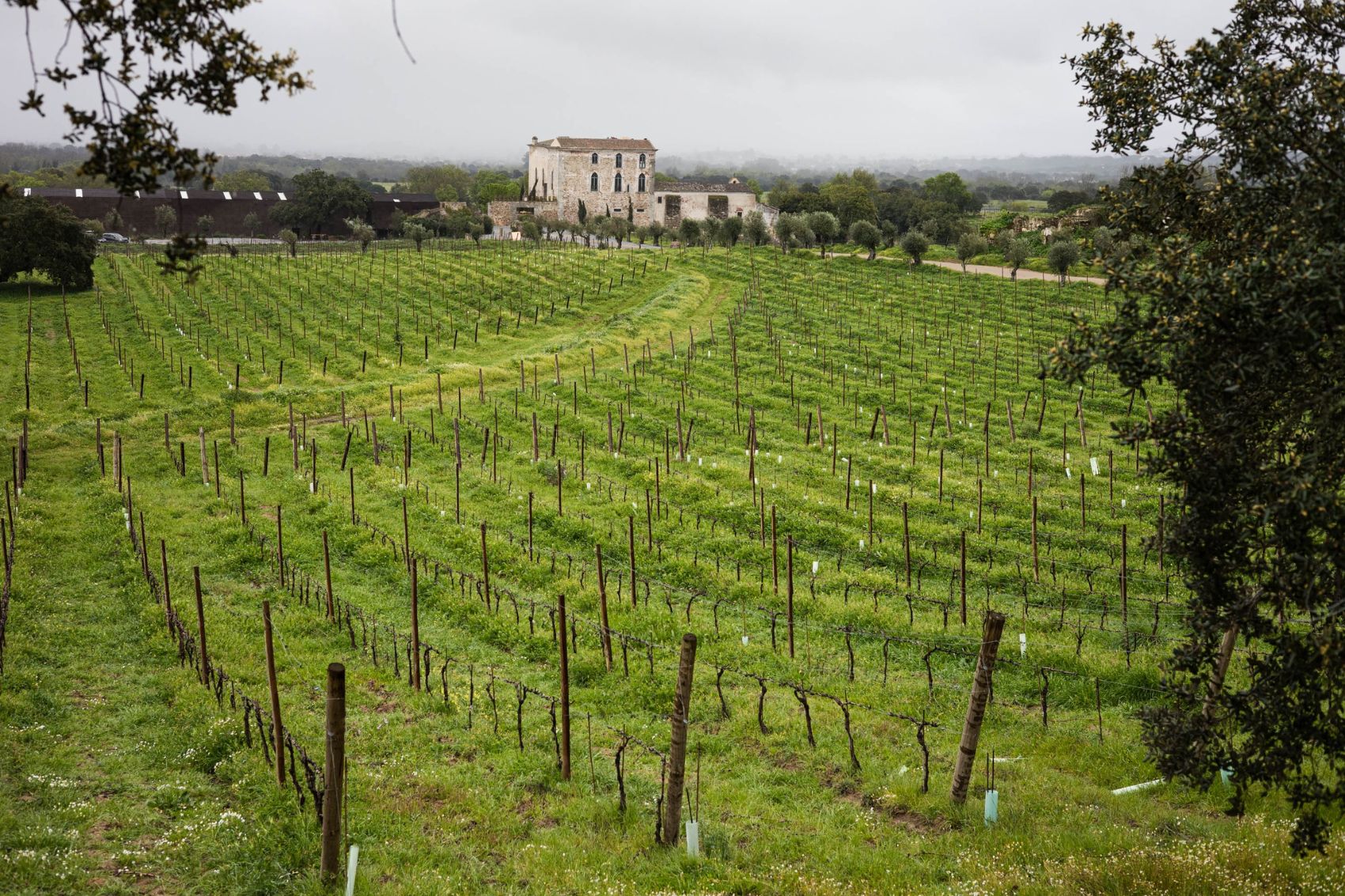
"(...) it has around 70 sheep that take care of the weeds in the vineyard - sown and spontaneous lawns help the soils absorb water and maintain humidity and prepare them for adverse climatic years (...); it cultivates 6 hectares of bravos with the aim of creating rootstocks for grapevines. ); it cultivates 6 hectares of bravos with the aim of creating the most suitable rootstocks for that terroir; it carries out tests on cutting down the vegetation cover, namely a type in which mulching is promoted; it has had a lighter bottle (400 grams) since 2023; and, in terms of waste management, it returns packaging to suppliers and, for shipping, opts for more 'naked' cardboard boxes."
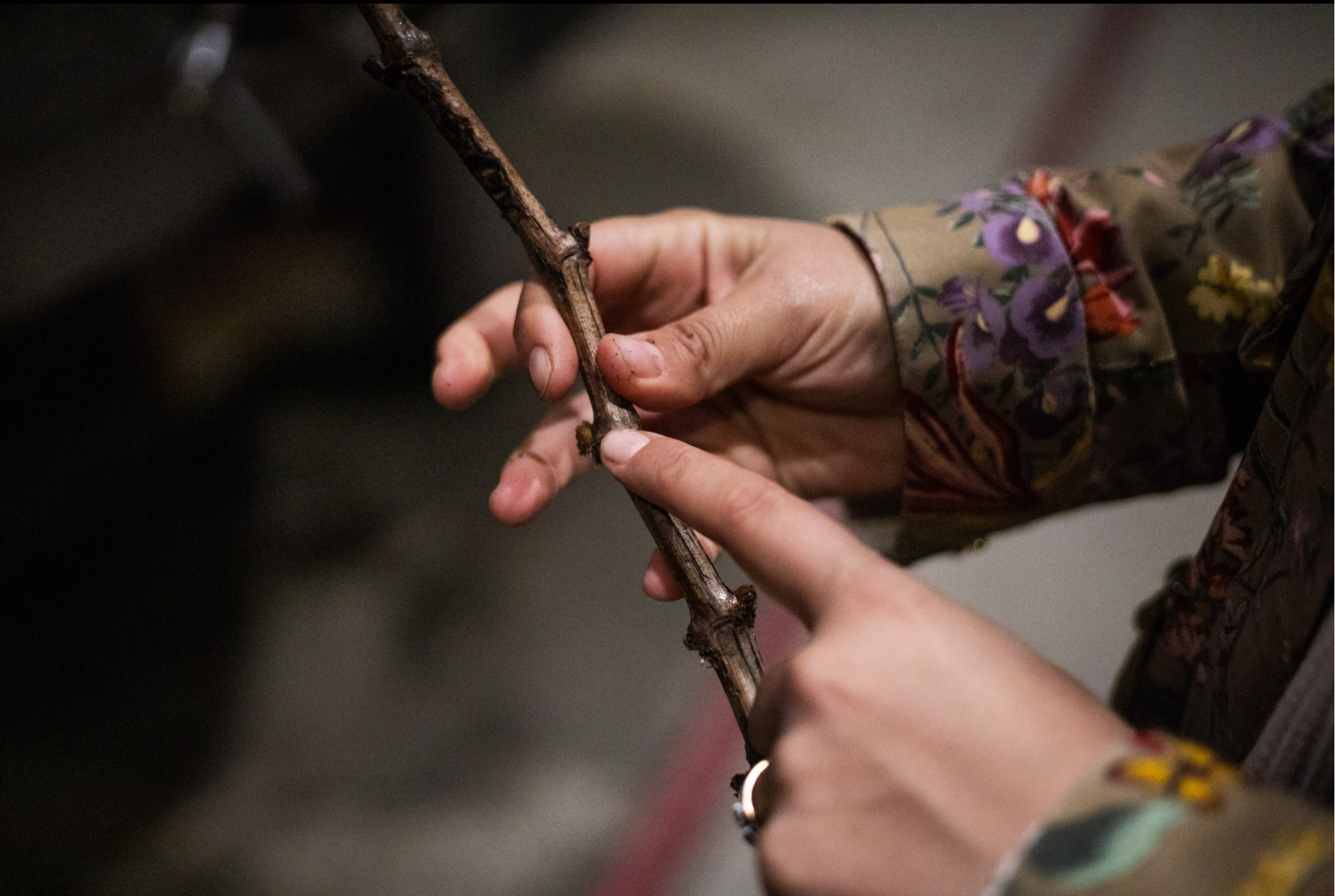
"The producer chose mainly indigenous grape varieties, more resilient to heat and dryness - some from the old vineyards of the Alentejo (...), and planted them (in 2017, 2019 and 2020) on dry land. And this despite the fact that there is water on the estate. "The plants are used to stress. At the time, we had a very high failure rate and everyone called us crazy," says Sandra Sárria."
"The Fitapreta project is now two decades old. It began in 2004 with António Maçanita and viticulture expert David Booth, who died in 2012. Sandra Sárria had been part of the team since 2008 and in 2015 Maçanita invited her to become his partner."
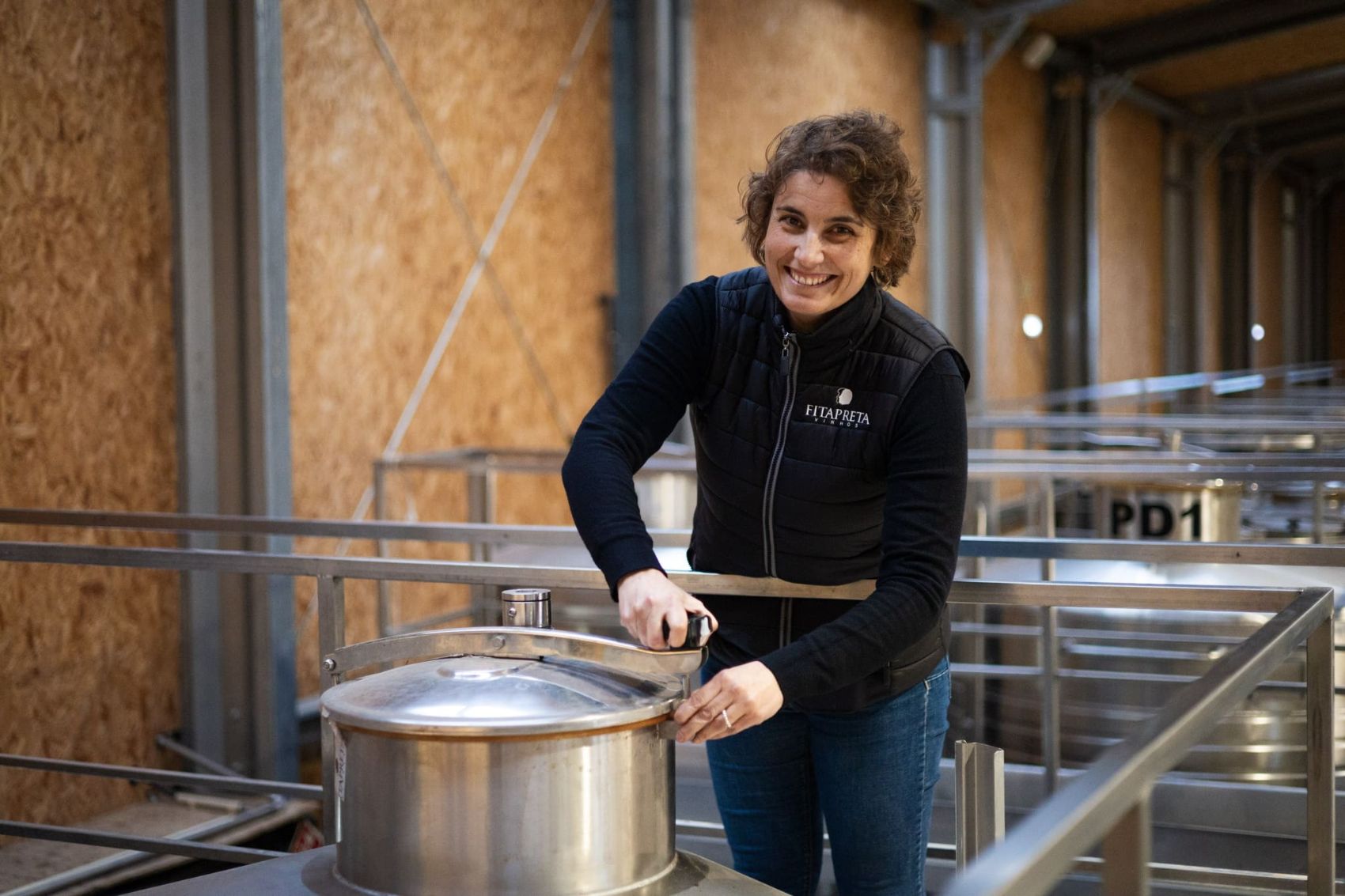
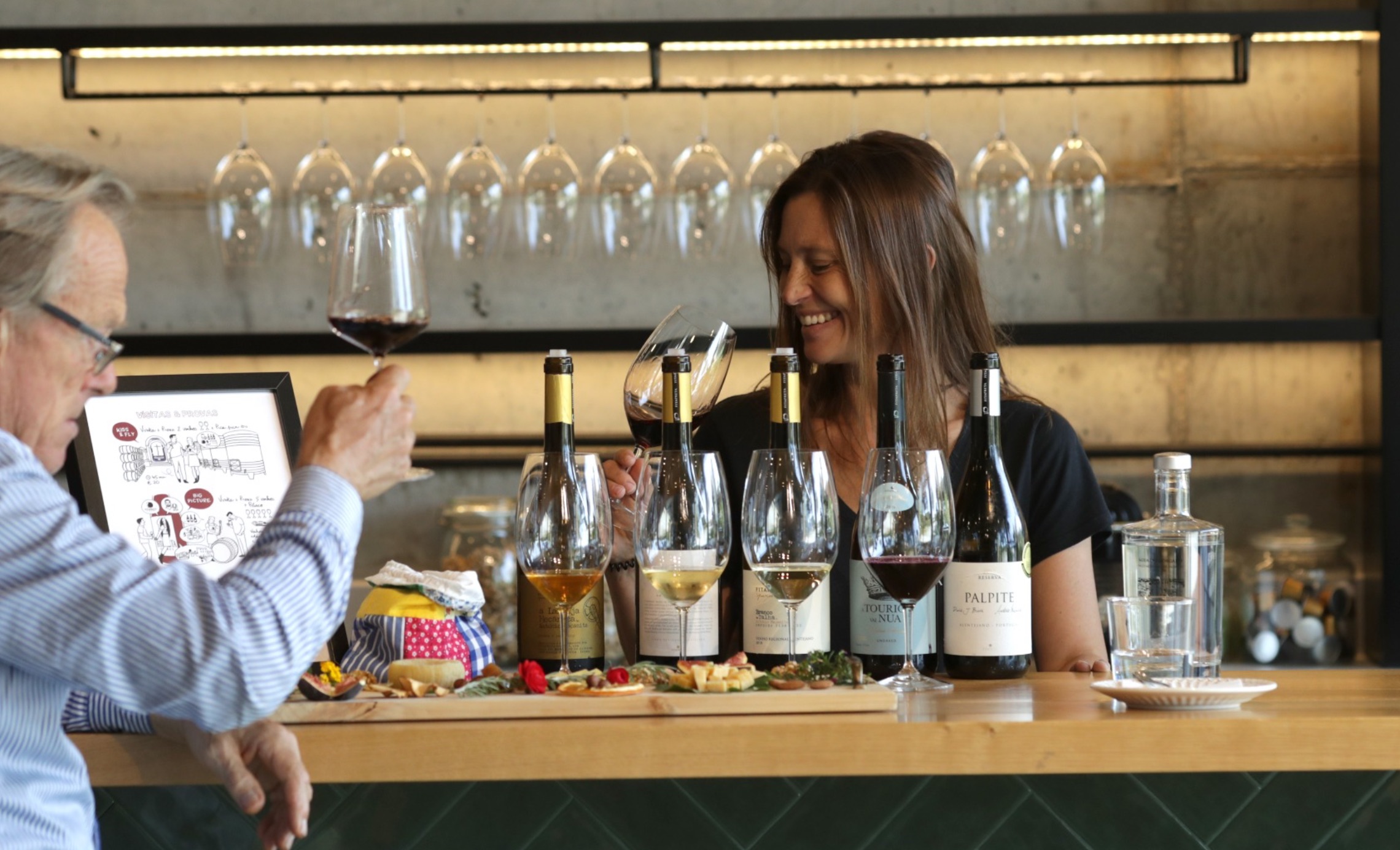
"In the modern building, designed by architect Tiago Sobral, "the intention was to choose materials that were sustainable", explains Sandra Sárria, standing next to the semi-underground construction, which is entirely covered in cork - "it provides excellent insulation" - and has more than 40 skylights. The thick walls of the historic building, where a 15th century wine press was recently discovered, allow them to save on refrigeration: during the harvest they work 24 hours a day and at night they promote free cooling (they open doors and windows and let the night cool the cellar)."
"In total, Fitapreta operates around 100 hectares of vineyards: 36 in the Paço do Morgado de Oliveira, plus 33 in Redondo (54-year-old vineyards, from which sticks came to replicate that "old Alentejo, where there was no Aragonês or Alicante Bouschet yet") (...)"
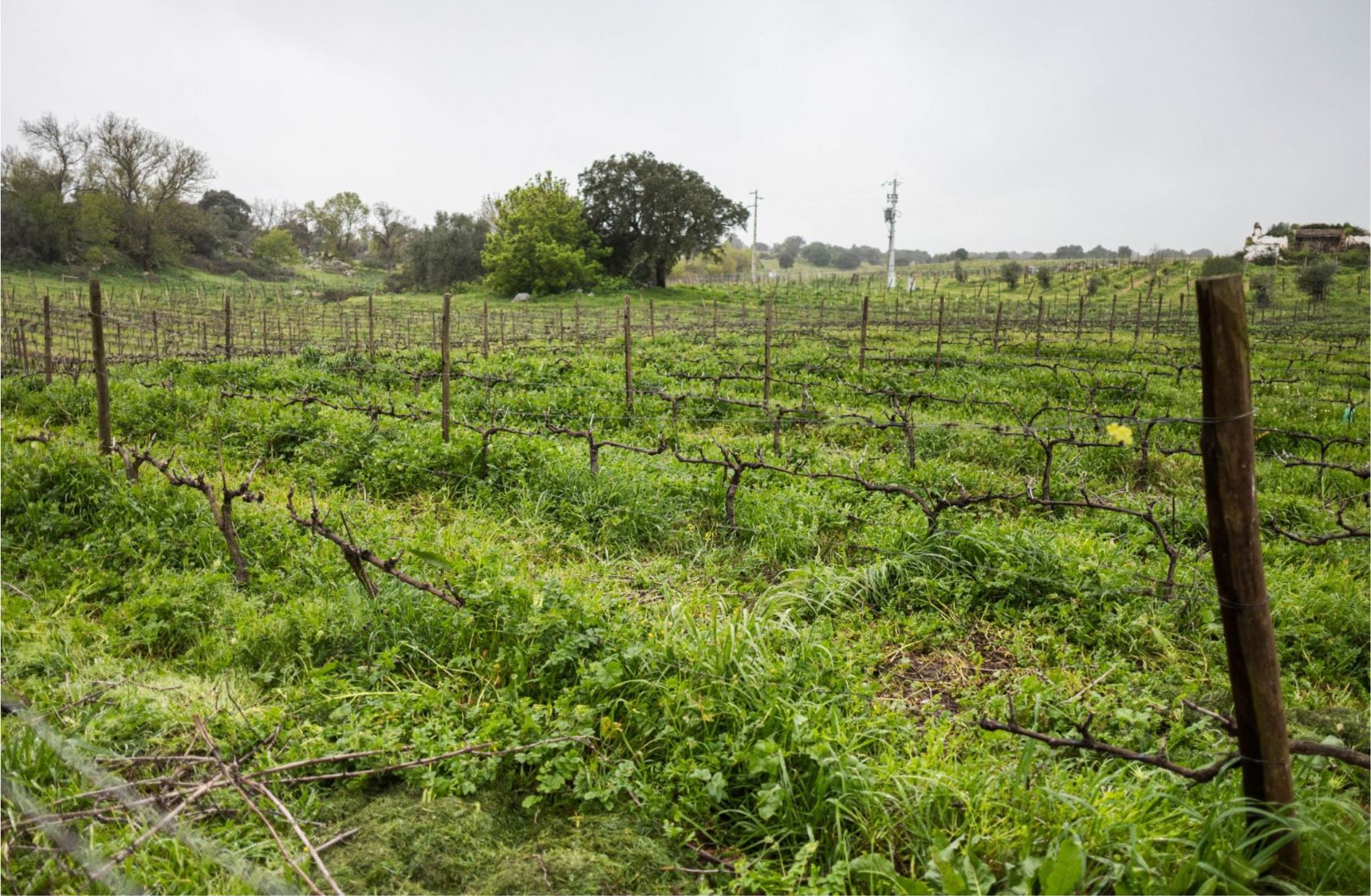
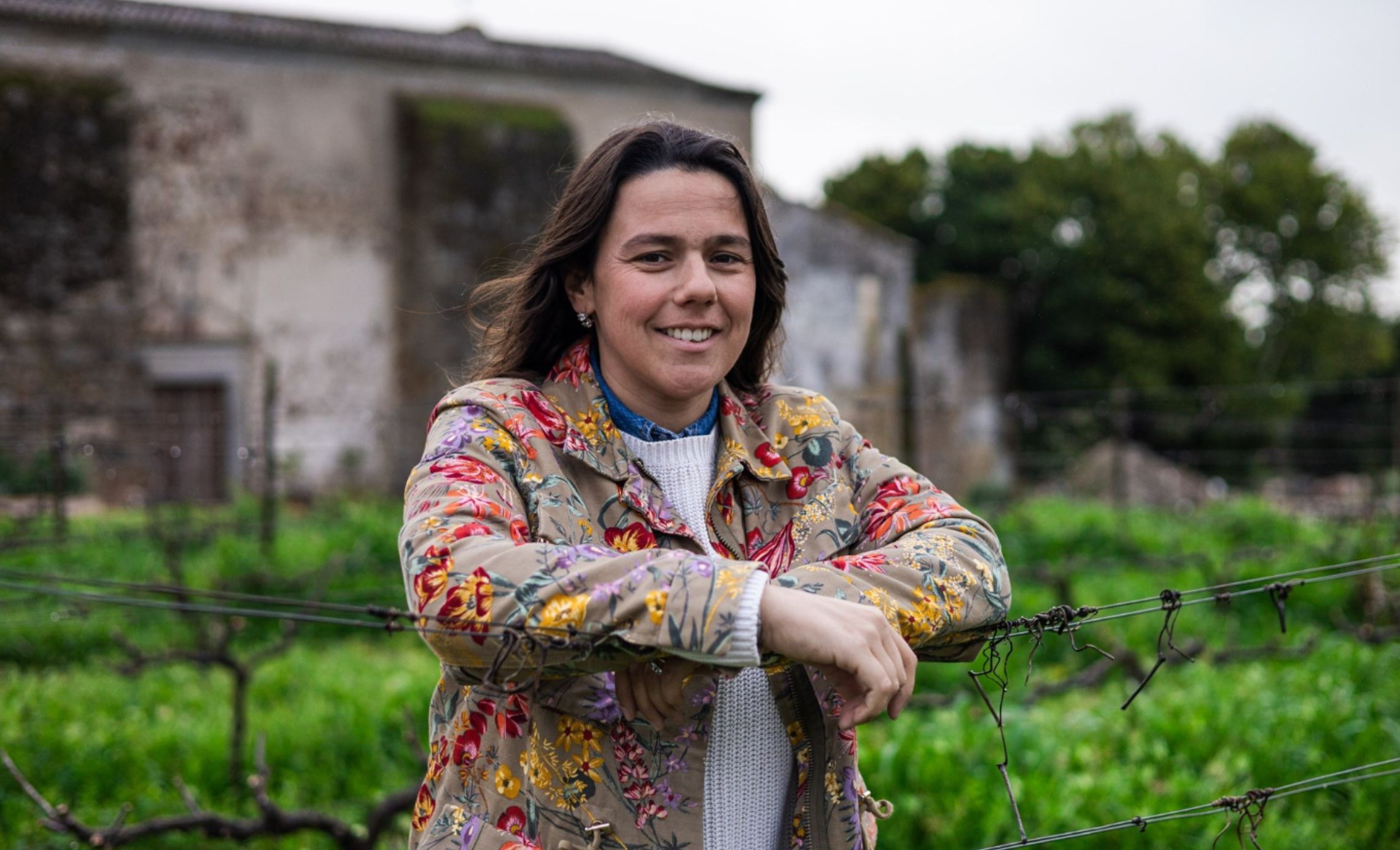
"But Leonor Frazão says: "here, in fact, we are blessed, in the sense that this is really out of the ordinary. What the technician means is that, when they took over the property, "everything that we talk about today in terms of sustainability", from animal shelters to riparian galleries, including the flora that attracts auxiliary insects, already existed there. "This was already regenerated when we planted the vines and what we want to do is not damage it."
Related articles