2025
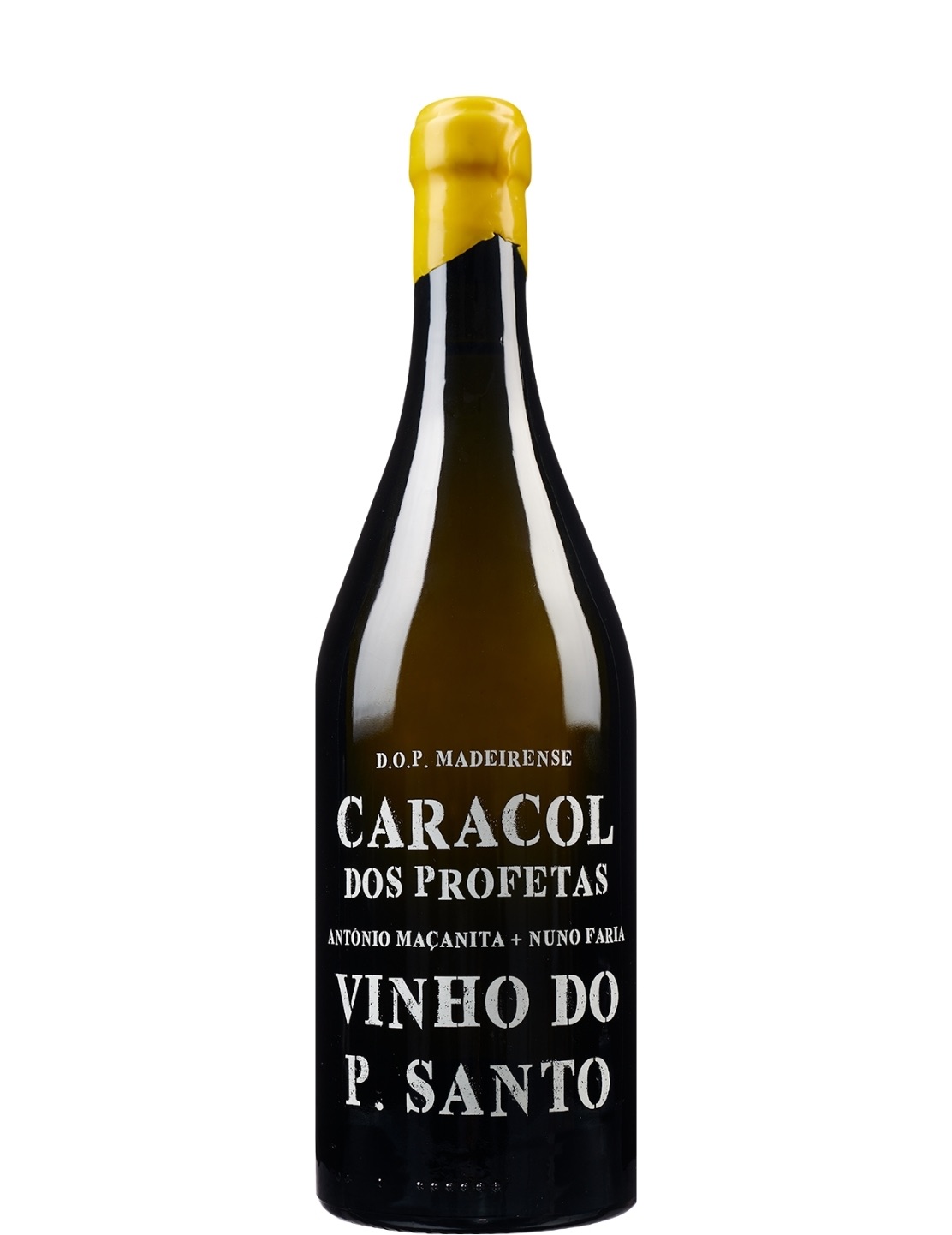
Caracol
The island of Porto Santo emerged 14 million years ago in the Atlantic Ocean and is geologically one of the oldest islands in the Portuguese archipelagos. It was also the first to be discovered by Zarco in 1418. The ancients said that this was where they came to pick the ripest grapes to make the wine that made these islands famous. Today there are less than 14 hectares left, cultivated by a handful of hardy people. On the neighboring island, they call the Porto Santenses "Prophets", an old nickname that has never made so much sense when you see these old vines, with their creeping vineyards, protected from the winds and sea air by crocheted walls or skillful reed structures.
Caracol is a traditional grape variety on the island of Porto Santo. There are various stories and myths about its potential origin, such as that it was a Mr. Caracol who brought it here and planted it. António Maçanita's insatiable curiosity led him to analyze the microsatellites, which showed its enormous genetic proximity to the Listrão, differing by only one in a total of 20, and it may have the same parent or be the parent of one of the other. Regarding the name, research into old bibliography may also provide the reason for the name Caracol. Gaspar Frutuoso said in 1580: "There are many vineyards that give good grapes; many white snails are bred in them, so much so that, in parts, they cover the bunch of grapes so much that no berries appear".
Training: traditional low trellis vines, close to the ground, protected from strong winds by reed beds or crochet walls. Vineyards are 40-80 years old. The soils are clay-sandy limestone with a pH>8.5.
11,5 % Vol.
The grapes were hand-harvested and vinified on the island of Porto Santo. Strict selection in the vineyard, with some vineyards harvested more than once, picking the ripest grapes first and the remaining ones in a second harvest. Whole bunches were pressed directly into settling tanks, separating three fractions, without any use of SO2 until the end of fermentation, to allow for pre-oxidation of the must and a fuller spontaneous fermenta- tion. The musts fermented part in horizontal stainless steel tanks, on lees, with capacities ranging from 250L to 1000L, and the second presses in used barrels, where they remained in contact with the lees for a total ageing of 9 months.
2 586 numbered 0.75L bottles released in August 2026.
Open pale yellow color. Intense, fresh nose, floral notes, combined with iodine and gunpowder profiles. Fresh, crisp attack with excellent freshness and acidity.
Excellent with fresh dishes, ceviches, carpaccio, oysters, clams, grilled white fish.
Store at 6-8ºC and drink at 10ºC.