
 />
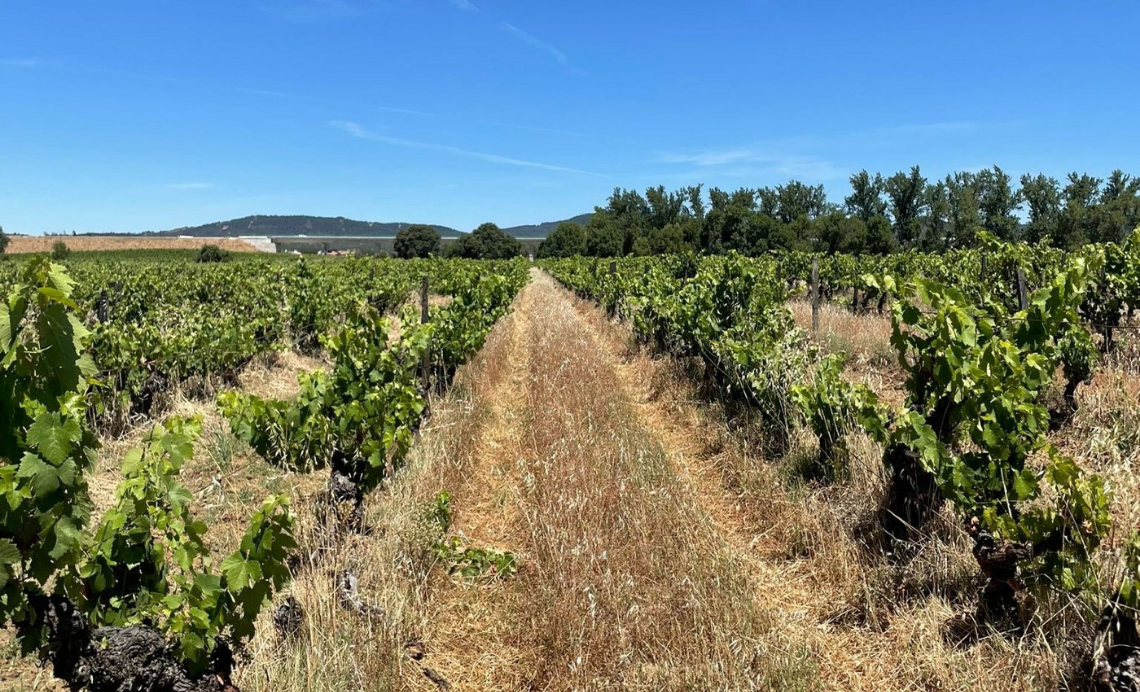
As early as the 11th century AD, the Paulistas, Hermits of the Order of São Paulo, chose this "Chão" to plant their vineyards, taking advantage of two streams that bring rainwater from the Serra, keeping the ground cool in the torrid Alentejo heat.
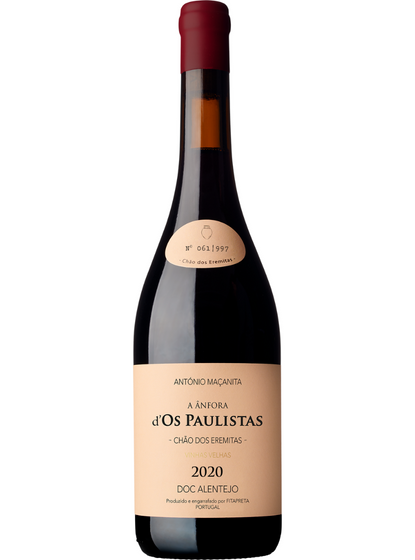
Our A Ânfora d'Os Paulistas recovers this past, bringing back almost extinct grape varieties that still exist in our Vinha do Chão dos Eremitas (Tinta Carvalha, Castelão, Alfrocheiro Preto, Moreto and Trincadeira), vinifying them using the old practices of vinification in small Alentejo amphorae, similar to the ancient Phoenician amphorae.
Harvested by hand at night, the grapes are selected on a sorting table, 30% whole bunch and 70% destemmed. The vats are filled bucket by bucket and fermentation takes place spontaneously, with maceration lasting between 40 and 50 days, followed by 18 months in old barrels.
On the nose, lots of red forest fruit, some undergrowth, truffle and leather. Textured, fresh attack, red fruit. Very fine, long and structured finish.
997 bottles were produced.
This place is special, you can feel it! In the southern foothills of the Serra d'Ossa, two streams bring rainwater down from the mountains, never lowering the water table below 5 meters, keeping the soil cool and not requiring irrigation for the grapes to grow properly.
This is where the vines used to be planted, and the place was known as Chão dos Eremitas, "Chão" being an old term for a flat area, and "Eremitas" referring to the Hermit monks of the order of São Paulo. Here there is evidence of uninterrupted wine production since the 14th century. The vineyard was so important that a Papal Bull in 1397 exempted the "Pauperes Eremitas" from paying taxes on their vineyards. But archaeology goes further, as the discovery of the only Phoenician wine amphora in the interior of the country, dating back to the 8th century BC, links this site to wine some 900 years before the arrival of the Romans, in what is 3,000 years of history linked to wine.
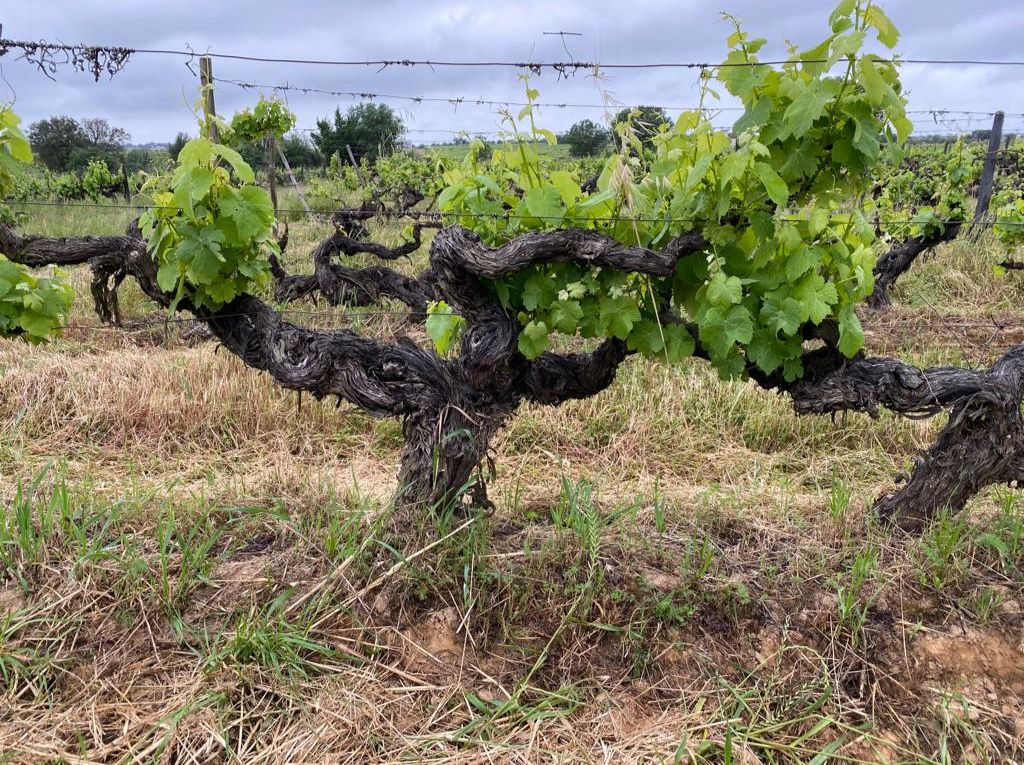
The grapes are also from another time, planted between 1969 and 1970, Tinta Carvalha, Moreto, Castelão, Alfrocheiro and Trincadeira, showing that there was another Alentejo, without irrigation and without improving grape varieties.
Related articles

Jornal Público: Fitapreta Vinhos is the 21st certified producer in the Alentejo Wines Sustainability Program